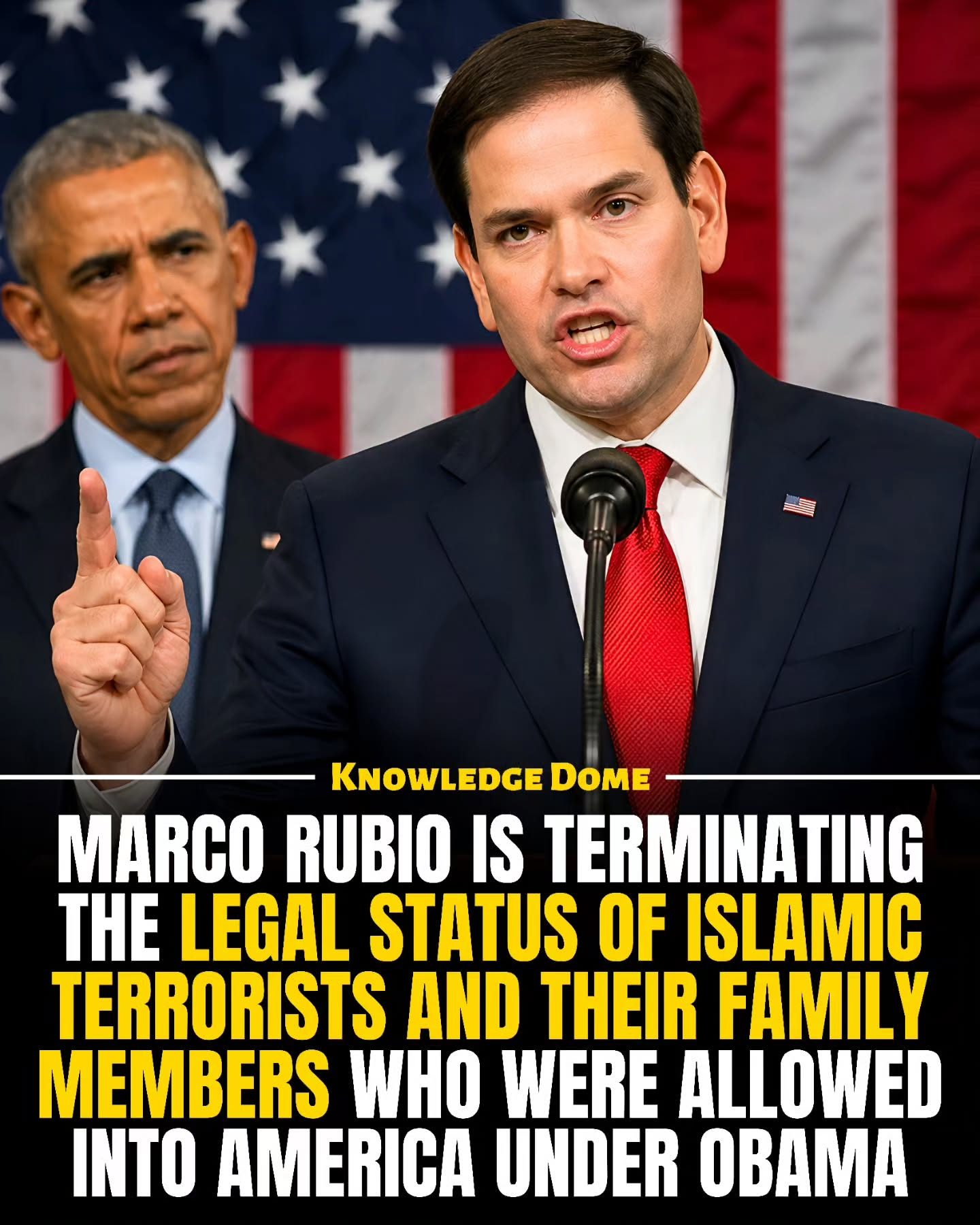
U.S. Policy on Revoking Visas and Green Cards
The U.S. has taken significant steps to revoke the visas and green cards of certain foreign nationals associated with hostile regimes. This effort, led by U.S. Secretary of State Marco Rubio, aims to strengthen national security by targeting individuals and families linked to activities deemed threatening to the United States.
Why This Matters
The revocation of visas and green cards sends a clear message about the U.S. stance on foreign influence and national security. By taking action against individuals with ties to hostile regimes, the U.S. government aims to safeguard its citizens and maintain its security. The cases of Seyed Eissa Hashemi and Maryam Tahmasebi, and Hamideh Soleimani Afshar, and her daughter, illustrate the scope and impact of these measures, as well as the complexities involved.
Main Discussion
The Case of the Hashemi Family
A prominent example of these actions involves Seyed Eissa Hashemi, his mother Maryam Tahmasebi, and their son.
Hashemi, the son of Masoumeh Ebtekar, who served as the spokeswoman for the militants during the 1979 U.S. Embassy hostage crisis in Tehran, entered the United States on visas approved in 2014. The family later received green cards through the Diversity Visa Program in 2016. This case underscores the scrutiny placed on individuals with historical ties to hostile actions against the U.S.
The Case of Hamideh Soleimani Afshar
Another significant case involves Hamideh Soleimani Afshar and her daughter, who are the niece and grandniece of the late Iranian Quds Force Major General Qasem Soleimani. They were taken into ICE custody for deportation from their home in Los Angeles. The administration accused them of spreading Iranian regime propaganda and celebrating attacks on Americans, highlighting the seriousness of the charges that can lead to such actions.
The State Department's Stance
The State Department emphasizes that a U.S. visa or green card is a privilege, not a right. This perspective underscores the U.S. government's authority to revoke these documents when necessary. The administration's actions are framed as a means to prevent individuals connected to hostile governments from using the U.S. as a safe haven.
Broader Implications
The revocations go beyond individual cases. The administration has taken similar actions against figures connected to other foreign influence networks, including those linked to Cuba. These steps reflect a broader strategy to address perceived threats from various hostile regimes, not just Iran.
Practical Tips
For Travelers and Immigrants
These actions serve as a reminder for travelers and immigrants to be aware of the potential consequences of their past associations. It's crucial to:
- Disclose relevant information: Be transparent about any past associations or family ties that could be considered harmful to U.S. interests.
- Stay informed: Keep up-to-date with the latest policies and changes in immigration laws.
- Consult professionals: Seek advice from immigration lawyers or experts to navigate the complexities of U.S. immigration law.
For Government Officials
For those involved in policy-making and enforcement, understanding the nuances of these cases is essential. It's important to:
- Maintain transparency: Clearly communicate the rationale behind policy changes and their potential impacts.
- Balance security and fairness: Ensure that actions taken do not unfairly target individuals based on unfounded suspicions or biased views.
- Engage in dialogue: Foster open discussions with other countries to address concerns and prevent misunderstandings that could lead to strained relations.
Important Takeaways
The revocation of visas and green cards for individuals with ties to hostile regimes is a significant policy move by the U.S. government. These actions highlight the seriousness with which the U.S. views national security threats and the lengths to which it will go to mitigate them. The cases of the Hashemi family and Hamideh Soleimani Afshar illustrate the complexities and far-reaching implications of these decisions.
Conclusion
The U.S. government's recent actions to revoke the visas and green cards of certain foreign nationals send a clear message about its commitment to national security. By targeting individuals with ties to hostile regimes, the administration aims to prevent potential threats and maintain the security of its citizens. These actions, while controversial, underscore the U.S. government's stance on national security and its willingness to take decisive measures to protect its interests.
As the situation evolves, it will be crucial for both immigrants and government officials to stay informed and adapt to the changing landscape of U.S. immigration and security policies.
Watch the Reel
Questions readers ask
Who is leading the initiative to revoke visas and green cards of foreign nationals with ties to hostile regimes?
Senator Marco Rubio is at the forefront of this initiative, working to enhance U.S. national security by targeting individuals and families linked to activities perceived as threats.
What is the primary goal of revoking visas and green cards of foreign nationals with ties to hostile regimes?
The primary goal is to bolster U.S. national security. This is achieved by removing foreign nationals who may have ties to hostile regimes, which are considered a threat to the nation.
What are some notable cases of visa and green card revocations under this initiative?
Notable cases include Seyed Eissa Hashemi, Maryam Tahmasebi, and Hamideh Soleimani Afshar, along with her daughter. These individuals had their visas and green cards revoked due to their perceived ties to hostile regimes.
How does the revocation of visas and green cards impact U.S. national security?
The revocation of visas and green cards sends a strong message about the U.S. stance on foreign influence. This action helps to safeguard U.S. citizens and maintain security by reducing the presence of individuals with potential ties to hostile regimes.
What criteria are used to determine if a foreign national is linked to a hostile regime?
Criteria typically include activities such as espionage, terrorism, or other actions deemed threatening to U.S. interests. The determination process involves thorough investigations by relevant U.S. agencies.
How does this initiative differ from previous administrations' approaches to hostile regime ties?
This initiative under Marco Rubio represents a more aggressive stance compared to previous administrations, such as the Obama administration. It focuses on proactive measures to revoke visas and green cards, rather than merely monitoring or investigating these individuals.
Recent articles
Fresh deep dives from the latest Reels we unpacked.




Comments
Be the first to comment.