Manuka Honey Benefits
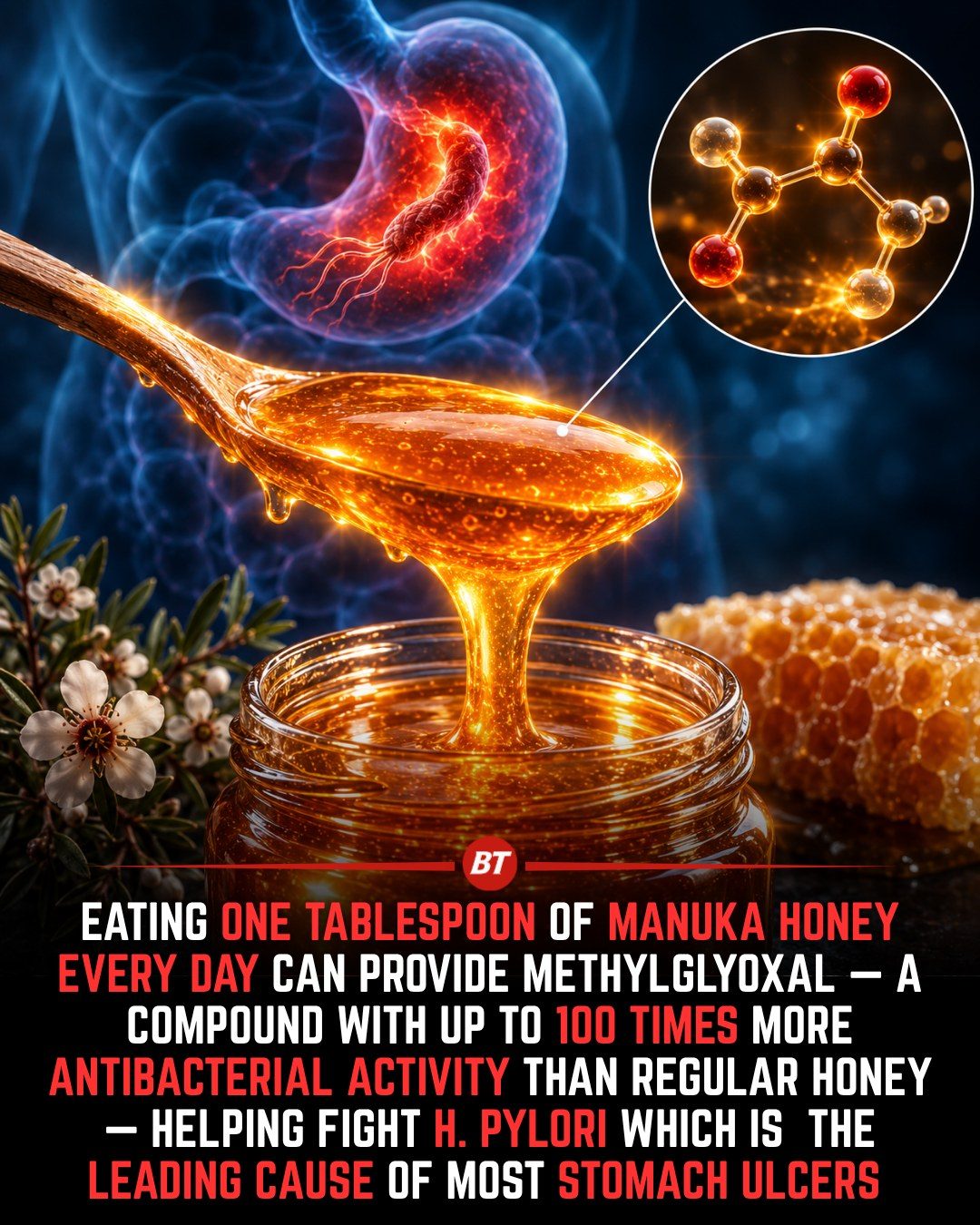
Manuka honey, a specialty honey produced from the nectar of the Manuka tree (Leptospermum scoparium), is celebrated for its remarkable health benefits. This type of honey sets itself apart from other varieties due to its high antibacterial properties, attributed to a unique compound called methylglyoxal (MGO).
Why this matters
Manuka honey's exceptional properties make it a valuable addition to daily health regimens. Unlike regular honey, Manuka honey retains high antibacterial activity due to its naturally occurring MGO. This compound is pivotal in fighting off harmful bacteria, particularly Helicobacter pylori (H. pylori), a bacterium responsible for most stomach and duodenal ulcers worldwide. The significance of combating H. pylori is immense, as infections can lead to chronic gastritis and even stomach cancer if left untreated.
Main discussion
The Power of Methylglyoxal
Methylglyoxal is a compound found in Manuka honey that gives it its potent antibacterial properties. This compound is so effective that it has up to 100 times more antibacterial activity than regular honey. Laboratory studies have shown that MGO-rich Manuka honey can effectively inhibit the growth of H. pylori, a bacterium that infects nearly half of the world's population.
Fighting H. pylori
H. pylori is a widespread bacterium that infects the stomach and the upper part of the small intestine. It is recognized as the leading cause of peptic ulcers, which are sores that develop in the lining of the stomach or duodenum. Chronic H. pylori infections can also increase the risk of gastritis and stomach cancer. Manuka honey, with its high MGO content, has shown promising results in inhibiting the growth of this harmful bacterium, making it a natural and effective remedy.
Additional Health Benefits
Beyond its antimicrobial properties, Manuka honey is also rich in natural polyphenols and antioxidants. These compounds help protect cells from oxidative stress, which can contribute to various diseases. Medical-grade Manuka honey is widely used in hospitals to support wound healing, making it one of the most extensively researched medicinal honeys in the world. Its potent antimicrobial, antioxidant, and anti-inflammatory properties make it a versatile health supplement.
Scientific Research
Scientists have conducted numerous studies on Manuka honey, particularly its effects against H. pylori. A 2023 review published in Nutrients highlighted its antimicrobial, antioxidant, and anti-inflammatory properties. Researchers continue to investigate its effects, noting that most of the evidence comes from laboratory studies. While Manuka honey shows great promise, it is important to note that it should not replace standard antibiotic treatment for confirmed H. pylori infections.
Practical tips
Incorporating Manuka Honey into Your Diet
To reap the benefits of Manuka honey, incorporate it into your daily diet. Here are a few practical tips:
-
Consumption Quantity: For optimal benefits, consume 1 teaspoon to 1 tablespoon of genuine Manuka honey daily. This can be adjusted based on your dietary needs and preferences.
-
Consumption Methods: Manuka honey can be enjoyed on its own or mixed with other foods. Some popular methods include:
- Stirring it into warm (not boiling) tea
- Adding it to plain Greek yogurt
- Incorporating it into oatmeal
-
Ensuring Authenticity: When purchasing Manuka honey, look for a certified UMF® or MGO rating. These certifications ensure that the honey is authentic and has been tested for its antibacterial properties.
Important takeaways
- Manuka honey is rich in methylglyoxal (MGO), a compound that gives it up to 100 times more antibacterial activity than regular honey.
- Manuka honey can help fight H. pylori, the bacterium responsible for most stomach and duodenal ulcers.
- Manuka honey provides additional health benefits, including natural polyphenols and antioxidants that protect cells from oxidative stress.
- Manuka honey should not replace standard antibiotic treatment for confirmed H. pylori infections, but it can be a valuable supplement to your health regimen.
Conclusion
Manuka honey stands out as a natural health supplement with potent antibacterial properties, making it a valuable addition to daily health routines. Its ability to fight H. pylori and provide antioxidant benefits makes it a versatile and effective choice for maintaining good health. By incorporating Manuka honey into your diet, you can harness its natural properties to support overall well-being.
Watch the Reel
Questions readers ask
What makes Manuka honey different from other types of honey?
Manuka honey contains a unique compound called methylglyoxal (MGO), which gives it powerful antibacterial properties. This sets it apart from other honeys, making it particularly effective in combating harmful bacteria.
How does Manuka honey help with stomach ulcers?
Manuka honey is effective against *Helicobacter pylori*, the bacterium responsible for most stomach ulcers. By fighting this bacterium, Manuka honey can aid in the healing process of stomach ulcers and help prevent their recurrence.
Can Manuka honey be used to prevent stomach cancer?
While more research is needed, Manuka honey's ability to combat *Helicobacter pylori* is significant because this bacterium has been linked to chronic gastritis and stomach cancer. By targeting *H. pylori*, Manuka honey may help in reducing the risk of these conditions.
What is methylglyoxal (MGO) and why is it important in Manuka honey?
Methylglyoxal (MGO) is a compound naturally found in Manuka honey. It is crucial because it provides the honey with its exceptional antibacterial properties, making it effective against various harmful bacteria, including *Helicobacter pylori*.
How can I incorporate Manuka honey into my daily routine?
You can add Manuka honey to your tea, use it as a natural sweetener in your food, or even apply it topically to minor wounds. Always ensure you are using high-quality, authentic Manuka honey with a certified MGO rating for the best results.
Is Manuka honey safe for everyone?
While Manuka honey is generally safe, it may not be suitable for infants under 12 months due to the risk of botulism. Additionally, individuals with diabetes should be mindful of their sugar intake. Always consult with a healthcare provider before incorporating Manuka honey into your health regimen.
Can Manuka honey be used to treat gastritis?
Manuka honey's antibacterial properties make it a potential natural remedy for gastritis, especially when caused by *Helicobacter pylori*. Consuming Manuka honey may help reduce inflammation and promote healing in the stomach lining, but it should be used in conjunction with other treatments as advised by a healthcare professional.
Related deep dives
Similar reads based on topic and creator.




Recent articles
Fresh deep dives from the latest Reels we unpacked.




Comments
Be the first to comment.