Auto-Brewery Syndrome
Auto-brewery syndrome (ABS) is a rare medical condition that causes gut yeast to ferment carbohydrates into real alcohol. This syndrome does not just create a funny anecdote, it involves understanding the complexities of the human body and the challenges of living with a condition that can drastically alter daily life. This syndrome has gained attention due to its peculiar nature — gut yeast quietly ferments everyday carbs into real alcohol, turning an ordinary lunch into an accidental happy hour.
Context / Why This Matters
Auto-brewery syndrome can cause significant social, psychological, and legal issues. Individuals with ABS may fail breathalyzer tests and face drunk driving charges, even when they have not consumed alcohol. The condition is often met with disbelief from doctors and friends, leading to long periods of confusion and self-doubt. This condition highlights the complexities of the human body and the challenges of living with a rare medical condition.
Main Discussion
What is Auto-Brewery Syndrome?
Auto-brewery syndrome occurs when an individual's gut produces alcohol as a byproduct of carbohydrate fermentation. This happens due to the presence of high levels of yeast, typically Candida albicans or Saccharomyces cerevisiae, in the gastrointestinal tract. These microorganisms convert carbohydrates, particularly sugars, into ethanol (alcohol). The resulting alcohol then enters the bloodstream, potentially causing intoxicating effects, and this alcohol can be detected during breath or blood testing, incorrectly indicating that the person has recently consumed alcohol.
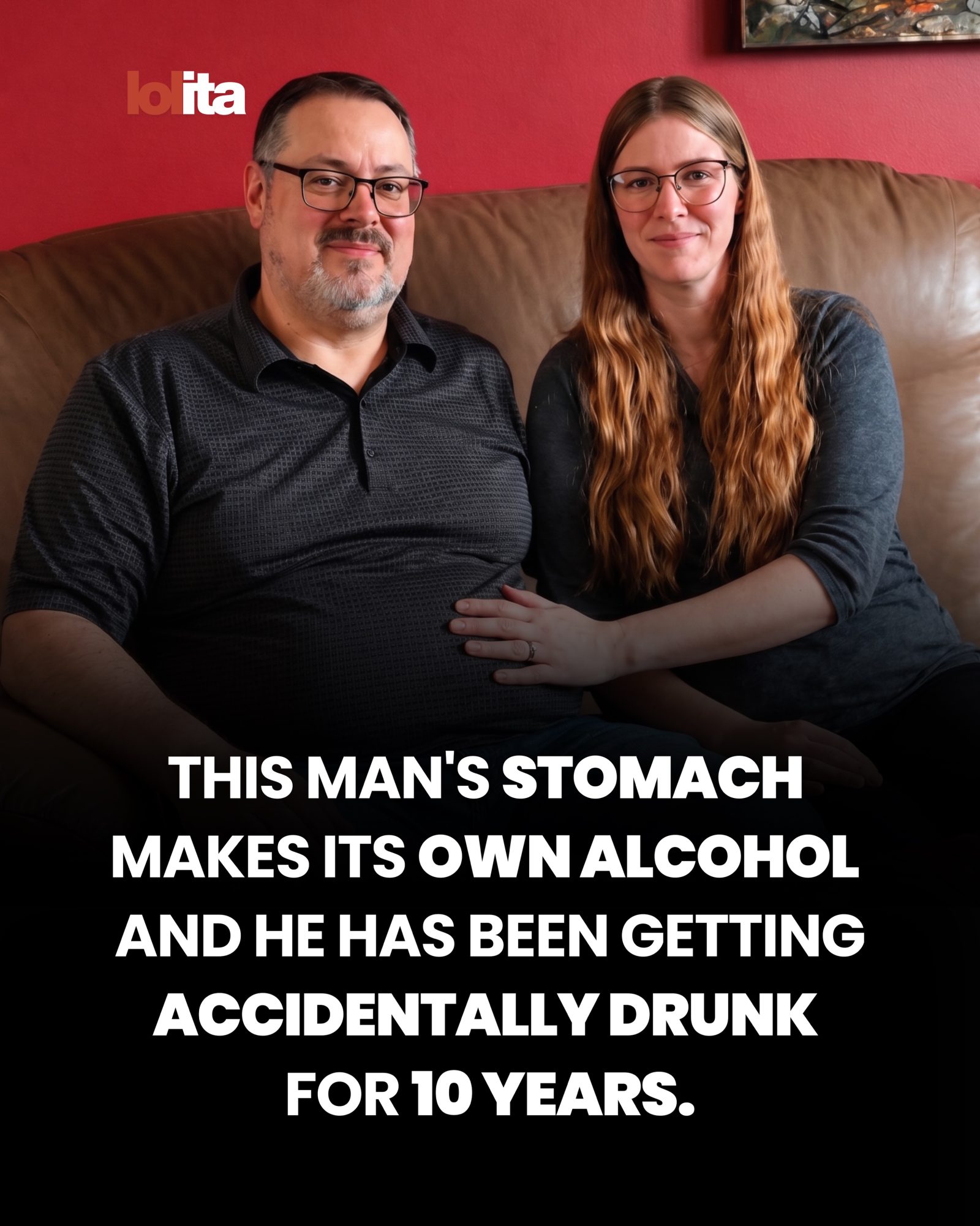
The Case of the Man in the Casual Home Setting
The scenario described in the video involves a man who, for a decade, was unwittingly intoxicated due to his body naturally producing alcohol. This condition is particularly challenging as the symptoms can mimic alcohol intoxication, but the person affected has not actually consumed alcohol. This can lead to misunderstandings and even legal issues, such as the Belgian man who was acquitted of drunk driving in 2024 due to his auto-brewery syndrome.
Social and Psychological Impact
Living with ABS often means facing social stigma and psychological distress. Individuals with this condition are often met with skepticism, much like the man in the video. Doctors and friends may assume the person is hiding alcohol consumption, leading to years of disbelief and frustration. The frustration of not being believed, compounded by the medical mystery, makes this condition a significant psychological challenge. It is a common feeling to start questioning oneself in the absence of answers and support.
Practical Tips
Seeking Medical Attention
If you think you might have auto-brewery syndrome, it is crucial to seek medical attention. Documenting your symptoms and any incidents where you failed a breathalyzer test without consuming alcohol, can be very helpful for your doctor.
Dietary Changes
Individuals with ABS may benefit from dietary changes that reduce carbohydrate intake, particularly sugars. Consulting a dietitian or nutritionist can help in creating a balanced diet that minimizes the substrates for yeast fermentation.
Legal and Social Support
For those diagnosed with ABS, legal and social support can be invaluable. Keeping detailed records of your medical history and any instances where the condition has caused problems can help in legal cases. Additionally, finding support groups or communities where you can share your experiences and gain emotional support can be beneficial.
Important Takeaways
Auto-brewery syndrome is a genuine and documented condition with significant implications for daily life. It underscores the need for greater awareness and understanding of rare medical conditions. The emotional and psychological challenges faced by individuals with ABS remind us of the importance of empathy and support in medical and social contexts. The man's story of enduring this challenge for a full decade highlights the resilience and quiet loyalty of those who support individuals with ABS.
Conclusion
Auto-brewery syndrome is a fascinating and complex condition that highlights the mysteries of the human body. It is a condition that requires attention to both the physical and psychological well-being of those affected. The story of the man living with this condition for a decade serves as a reminder of the importance of empathy, support, and ongoing medical research. By understanding and acknowledging conditions like ABS, we can create a more inclusive and supportive society.
Watch the Reel
Questions readers ask
What is Auto-Brewery Syndrome (ABS) and how does it cause accidental drunkenness?
Auto-Brewery Syndrome is a rare condition where yeast in the gut ferments carbohydrates, converting them into alcohol, and leading to accidental intoxication. This process occurs naturally within the body and can cause individuals to experience symptoms of drunkenness without consuming alcoholic beverages. The yeast responsible for this fermentation can multiply and ferment sugars from food, leading to elevated blood alcohol levels.
How is Auto-Brewery Syndrome diagnosed?
Diagnosing ABS can be complex due to its rarity and the lack of specific diagnostic tests. Doctors typically rely on a combination of medical history, physical examination, and laboratory tests. A key indicator is the presence of high blood alcohol levels without a corresponding history of alcohol consumption. Gastric contents might also be tested for the presence of yeasts and sugars.
What are the primary symptoms of Auto-Brewery Syndrome?
Symptoms of ABS can range from mild to severe and may include confusion, dizziness, and disorientation, similar to those experienced during intoxication. Individuals might also experience nausea, vomiting, and fatigue. These symptoms can fluctuate based on dietary intake, as consuming high-carb foods can exacerbate the fermentation process and intensify symptoms.
Can Auto-Brewery Syndrome be treated, and what are the common treatment options?
Treatment for ABS often involves a low-carb diet to limit the available sugars for fermentation. Antifungal medications may be prescribed to reduce the yeast population in the gut. In severe cases, patients might need to undergo more aggressive treatments or even surgery to remove parts of the gut where yeast overgrowth occurs. Regular monitoring and adjustments to the treatment plan are essential.
What legal challenges might individuals with Auto-Brewery Syndrome face?
Individuals with ABS may face significant legal challenges, particularly related to drunk driving charges. Their condition can cause them to fail breathalyzer tests, leading to false accusations of impaired driving. It's crucial for these individuals to document their condition thoroughly and potentially seek legal counsel to navigate such situations and avoid unfair legal repercussions.
Are there any specific dietary recommendations for managing Auto-Brewery Syndrome?
Dietary modifications play a crucial role in managing ABS. Those affected should focus on a low-carb diet to minimize the amount of fermentable sugars available for yeast to convert into alcohol. Foods to avoid or limit include bread, pasta, rice, and sugary beverages. Including probiotics and maintaining a healthy gut microbiome may also help manage yeast levels and reduce symptoms.
What are the social and psychological impacts of living with Auto-Brewery Syndrome?
Living with ABS can be socially and psychologically challenging. Individuals may face stigma and misunderstanding from others who do not believe their condition. The unpredictable nature of symptoms can lead to anxiety and social isolation. Psychological support, such as therapy or support groups, can help affected individuals cope with the emotional and social burdens associated with ABS.
Related deep dives
Similar reads based on topic and creator.

Recent articles
Fresh deep dives from the latest Reels we unpacked.



Comments
Be the first to comment.