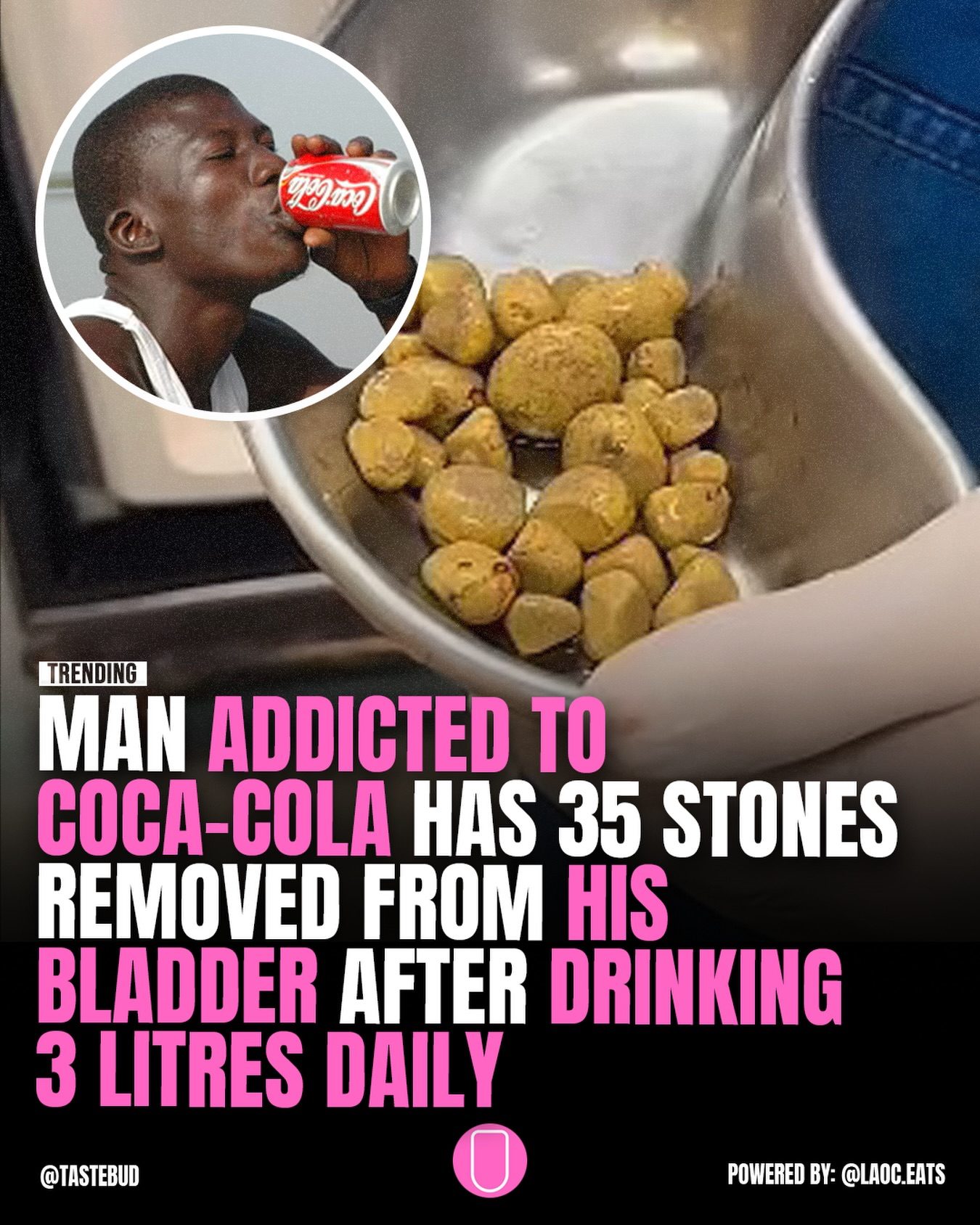
Extreme Coca-Cola Consumption: A Startling Case of Health Risks
The case of a 60-year-old man in Brazil who underwent surgery to remove 35 bladder stones due to excessive Coca-Cola consumption is a stark reminder of the potential health risks associated with high intake of sugary beverages. Drinking approximately 3 liters of Coca-Cola daily for years, combined with low water intake and an enlarged prostate, led to severe health complications.
What Happened?
A 60-year-old man in Brazil developed bladder stones after years of consuming about 3 liters of Coca-Cola per day. This excessive soda intake, coupled with inadequate water consumption and an enlarged prostate, caused urine retention and subsequent stone formation in his bladder. The stones, each measuring approximately 1 cm, were surgically removed by Dr. Thales Andrade. This case highlights the serious health risks that can arise from consuming large amounts of sugary soda, including dehydration and an increased risk of kidney and bladder stones.
Why This Matters
But why should this matter to those who enjoy an occasional soda or two? The answer lies in understanding the broader health implications of high sugar and low water intake. While moderate consumption of soda may not lead to such extreme cases, it is essential to recognize the cumulative effects of dehydration and excess sugar on the body.
Dehydration and Urine Concentration
One of the primary issues with excessive soda consumption is dehydration. Coca-Cola, like other sodas, contains caffeine, which acts as a mild diuretic, increasing urine production and potentially leading to dehydration if not properly managed. Dehydration can concentrate urine, making it more alkaline and increasing the likelihood of stone formation. Urine retention, particularly in individuals with enlarged prostates, exacerbates this risk by allowing stones to form and grow over time.
Sugar Intake and Health Risks
The high sugar content in Coca-Cola is another significant factor. Sugary beverages contribute to a variety of health issues, including obesity, type 2 diabetes, and cardiovascular diseases. Excessive sugar intake can also affect kidney function, increasing the risk of kidney stones. The combination of high sugar and low water intake creates a perfect storm for health complications.
Practical Tips for Managing Soda Consumption
To avoid the health risks associated with high soda consumption, consider the following practical tips:
Hydrate Properly
Maintain adequate hydration by drinking plenty of water throughout the day. Water helps flush out toxins and prevents urine concentration, reducing the risk of stone formation. Aim for at least 8-10 glasses of water daily, and more if you are physically active or live in a hot climate.
Moderate Soda Intake
Limit your intake of sugary beverages like Coca-Cola. Opt for water, herbal tea, or other low-sugar beverages instead. If you enjoy soda, consider diluting it with water or choosing sugar-free versions to reduce your sugar intake.
Monitor Urinary Health
If you have an enlarged prostate or a history of kidney stones, consult a healthcare provider for regular check-ups and monitoring. Address any urinary retention issues promptly to prevent complications.
Important Takeaways
The case of the 60-year-old man in Brazil serves as a warning about the potential health risks of excessive soda consumption. It underscores the importance of maintaining adequate hydration, moderating intake of sugary beverages, and being aware of underlying health conditions that may exacerbate these risks. By adopting healthier habits, you can significantly reduce the likelihood of developing serious health complications associated with high soda intake.
Dr. Thales Andrade, who performed the surgery, noted the severity of the case, emphasizing the need for awareness and prevention. This incident is a reminder that while occasional soda consumption may be harmless, excessive intake can lead to severe health issues.
Conclusion
While Coca-Cola and other sodas can be enjoyed in moderation, it is crucial to be mindful of the potential health risks associated with high consumption. By staying hydrated, limiting your intake of sugary beverages, and being aware of your urinary health, you can take proactive steps to prevent complications like bladder stones. This case serves as a cautionary tale, highlighting the importance of balanced consumption and regular health check-ups to ensure long-term well-being.
Watch the Reel
Questions readers ask
How much Coca-Cola did the man consume daily?
The man drank approximately 3 liters of Coca-Cola each day for several years.
What other factors contributed to the man's bladder stones?
In addition to excessive Coca-Cola consumption, the man's low water intake and enlarged prostate played significant roles in the development of his bladder stones.
What were the symptoms of the man’s condition?
The man's condition led to urine retention which caused issues, as well as the development of bladder stones.
How were the bladder stones removed?
The man underwent surgery to remove the 35 bladder stones, each measuring approximately 1 cm in size.
Can soda consumption lead to other health issues besides bladder stones?
Yes, excessive consumption of sugary beverages like soda can lead to a variety of health issues, including obesity, type 2 diabetes, and dental problems.
What is the recommended daily limit of sugary drinks?
Health organizations generally recommend limiting the intake of sugary drinks to no more than 450 calories per week, which is about 100 extra calories per day.
What are the recommended steps to reduce the risk of bladder stones?
To reduce the risk of bladder stones, it is important to stay hydrated by drinking plenty of water, maintain a balanced diet, and limit the consumption of sugary beverages and foods high in sugar.
Related deep dives
Similar reads based on topic and creator.


Recent articles
Fresh deep dives from the latest Reels we unpacked.




Comments
Be the first to comment.