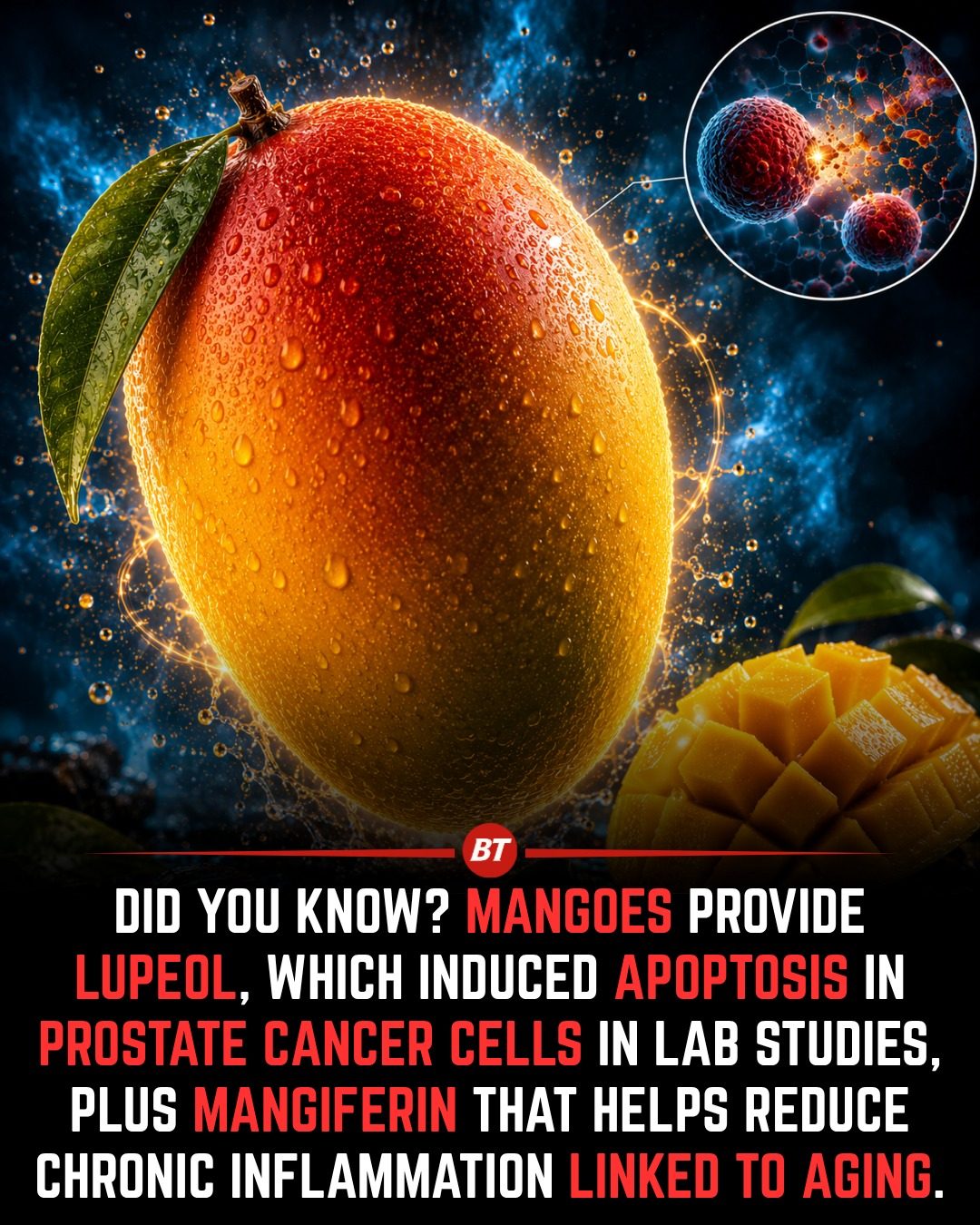
Mangoes: More Than Just a Sweet Treat
Mangoes are a popular tropical fruit known for their sweet, juicy flesh and vibrant color. Beyond their delicious taste and vitamin C content, mangoes are packed with unique plant compounds that scientists are exploring for their potential benefits in healthy aging and cellular health. Let's dive into the remarkable properties of lupeol and mangiferin, two key compounds found in mangoes, and understand their role in supporting overall health.
Context/Why This Matters
In recent years, there has been a growing interest in the health benefits of fruits and vegetables, particularly in understanding how their unique compounds can support human health. Mangoes, with their rich nutritional profile, are at the forefront of this research. By exploring the potential benefits of lupeol and mangiferin, we can gain insights into how these compounds contribute to overall health and wellness.
Main Discussion
The Power of Lupeol
Lupeol is a naturally occurring triterpene found in mangoes, as well as in olives, grapes, and several medicinal plants. One of the most intriguing aspects of lupeol is its potential role in triggering apoptosis, or "programmed cell death," in certain prostate cancer cells. Apoptosis is a natural quality-control mechanism in the body that helps remove damaged or abnormal cells before they can proliferate. While the findings from laboratory and animal studies are promising, it's crucial to note that more human research is needed to draw definitive conclusions about cancer prevention or treatment.
Mangiferin: A Powerful Antioxidant
Mangoes are also rich in mangiferin, a potent polyphenol known for its antioxidant and anti-inflammatory properties. Chronic, low-grade inflammation is increasingly recognized as a key player in aging and many age-related diseases. Early research suggests that mangiferin may help protect cells from oxidative stress, support healthy inflammatory responses, and promote normal mitochondrial function. Mitochondria are tiny energy-producing structures inside nearly every cell, and maintaining their health is essential for overall cellular function.
Synergistic Effects of Mango Compounds
It's important to note that the health benefits of mangoes don't come from lupeol and mangiferin alone. Mangoes also provide vitamin C, fiber, carotenoids, and dozens of other polyphenols that work together to support immune function, gut health, and the body's natural defenses against oxidative damage. Scientists believe that this combination of nutrients may contribute more to long-term health than any single compound alone. This synergistic effect highlights the importance of consuming a variety of plant-based foods to maximize health benefits.
Practical Tips
Incorporating mangoes into your diet is a delicious way to boost your intake of antioxidant-rich plant compounds. Here are some practical tips to make the most of this tropical fruit:
Enjoy Fresh Mango
One of the simplest ways to enjoy mangoes is to eat them fresh. Choose ripe mangoes with a sweet aroma and a slight give when squeezed. You can enjoy them as a standalone snack or pair them with other fruits for a refreshing fruit salad.
Add to Smoothies
Mangoes are a great addition to smoothies. Blend them with other fruits, vegetables, and a liquid base like coconut water or almond milk for a nutritious and delicious beverage. This is an excellent way to sneak in extra antioxidants and fiber.
Incorporate into Yogurt
Mix diced mangoes with yogurt for a protein-packed snack or breakfast option. You can also blend mangoes with yogurt to create a creamy, fruit-infused yogurt parfait.
Use in Salads
Add diced mangoes to your favorite salads for a burst of sweetness and a boost of nutrients. They pair well with leafy greens, avocados, and a tangy vinaigrette.
Make Mango Salsa
For a savory twist, try making mango salsa. Combine diced mangoes with red onion, jalapeño, cilantro, and lime juice for a flavorful topping that goes well with grilled meats or fish.
Important Takeaways
- Mangoes contain unique plant compounds like lupeol and mangiferin that are being studied for their potential roles in healthy aging and cellular health.
- Lupeol has shown promise in laboratory studies for its ability to trigger apoptosis in certain prostate cancer cells, but more human research is needed.
- Mangiferin is a powerful antioxidant and anti-inflammatory compound that may help protect cells from oxidative stress and support healthy mitochondrial function.
- Mangoes provide a combination of nutrients that work together to support overall health, including vitamin C, fiber, and other polyphenols.
- Incorporating mangoes into your diet can be a delicious way to boost your intake of antioxidant-rich plant compounds.
Conclusion
Mangoes are more than just a sweet and tangy tropical fruit; they are a powerhouse of unique plant compounds that support healthy aging and cellular health. By incorporating mangoes into your diet, you can enjoy their delicious taste while benefiting from the potential health-promoting properties of lupeol and mangiferin. Whether you enjoy them fresh, blended in a smoothie, or as part of a savory dish, mangoes are a versatile and nutritious addition to any diet.
Watch the Reel
Questions readers ask
What are lupeol and mangiferin, and why are they important in mangoes?
Lupeol and mangiferin are natural compounds found in mangoes. They are important because they contribute to the fruit's potential health benefits, such as supporting cellular health, healthy aging, and overall well-being.
How do mangoes support cellular protection and healthy aging?
Mangoes contain powerful antioxidants like mangiferin and lupeol, which help protect cells from damage and support healthy aging. These compounds may help prevent chronic inflammation, which can lead to various health issues.
Can mangoes help with chronic inflammation?
Yes, compounds like mangiferin in mangoes have been shown to have anti-inflammatory properties. This can help reduce chronic inflammation in the body, which is linked to many health problems.
What are the potential benefits of lupeol in mangoes?
Lupeol in mangoes has been studied for its potential to support prostate health, prevent cancer, and reduce inflammation. It may also help maintain healthy cells and support overall health.
How can mangiferin in mangoes contribute to overall health?
Mangiferin in mangoes contributes to overall health through its antioxidant and anti-inflammatory properties. It may also induce apoptosis, which is the programmed death of damaged or excess cells, helping to maintain healthy cells and tissues.
Are there specific health benefits of mangoes related to prostate health?
Lupeol and other natural compounds in mangoes may have potential benefits for prostate health. Some studies suggest that these compounds may help reduce the risk of prostate cancer and support overall prostate health.
Can mangoes help in cancer prevention?
The natural compounds in mangoes, such as lupeol and mangiferin, have been studied for their potential cancer-preventive properties. They may help protect cells from damage and inhibit the growth of cancer cells, contributing to overall health and well-being.
Related deep dives
Similar reads based on topic and creator.




Recent articles
Fresh deep dives from the latest Reels we unpacked.




Comments
Be the first to comment.