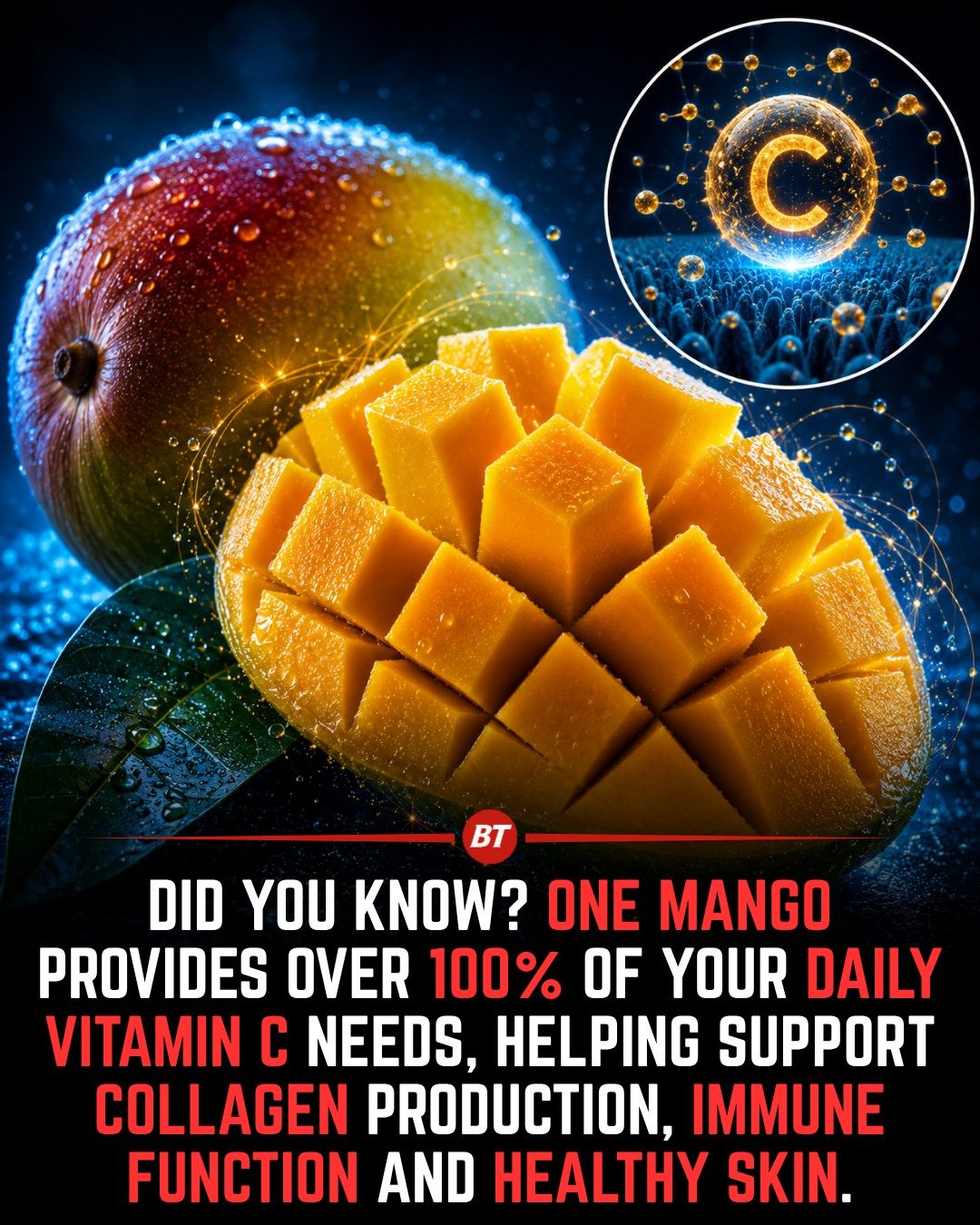
Mango and Vitamin C
Mangoes are a delicious, vibrant fruit that not only tantalize the taste buds but also pack a powerful nutritional punch. One key aspect of their nutritional value is their impressive Vitamin C content. A single mango can provide over 100% of the daily Vitamin C needs for many adults, making it an excellent choice for anyone looking to boost their intake of this essential nutrient.
Context / Why this matters
Vitamin C is not just about warding off colds; it plays a crucial role in maintaining overall health. This vitamin is vital for collagen production, which is essential for the strength and elasticity of skin, blood vessels, tendons, cartilage, and bones. Adequate Vitamin C intake supports a robust immune system and helps keep connective tissues resilient, contributing to healthy aging.
Main discussion
Nutritional benefits of mangoes
Mangoes are incredibly nutrient-dense. In addition to their high Vitamin C content, they are rich in fiber, antioxidants, and beneficial plant compounds. These nutrients work together to support various bodily functions and protect against oxidative stress. Mangiferin, quercetin, and beta-carotene are among the antioxidants found in mangoes, all of which contribute to immune function and tissue protection.
Vitamin C and collagen production
One of the most critical roles of Vitamin C in the body is aiding in collagen production. Collagen is a structural protein that provides strength and elasticity to various tissues, including skin, blood vessels, and bones. Without sufficient Vitamin C, collagen production can slow down, leading to issues such as skin aging, weakened blood vessels, and reduced bone strength. Regular consumption of mangoes can help maintain optimal collagen levels, promoting healthy skin and overall bodily resilience.
Immune system support
Vitamin C is well-known for its role in supporting the immune system. It helps in the production of white blood cells, which are essential for fighting infections. By providing over 100% of the daily Vitamin C needs, a single mango can significantly contribute to immune function, helping the body defend against illnesses and everyday wear and tear.
Skin health and Vitamin C
Healthy skin relies on adequate Vitamin C intake. This vitamin supports collagen production, which keeps the skin firm, smooth, and youthful. Additionally, Vitamin C's antioxidant properties help protect the skin from damage caused by free radicals, which can accelerate aging. The antioxidants in mangoes, combined with their high Vitamin C content, make them a powerful ally in maintaining healthy, radiant skin.
Practical tips
Incorporating mangoes into your diet is easy and delightful. Here are some practical ways to enjoy this nutritious fruit:
- Snacking: Enjoy a fresh, ripe mango as a healthy and refreshing snack.
- Smoothies: Blend mango chunks into smoothies for a tropical twist. Pair it with other fruits, yogurt, or milk for a creamy and nutritious beverage.
- Yogurt: Add diced mango to your yogurt for a flavorful and nutrient-rich breakfast or snack.
- Fruit salads: Combine mango with lime juice and other tropical fruits for a refreshing fruit salad. The tangy lime juice complements the sweetness of the mango beautifully.
- Pairing with healthy fats: Pairing mango with a source of healthy fat, such as nuts or coconut, can enhance the absorption of its beta-carotene, maximizing its nutritional benefits.
Important takeaways
- One mango provides over 100% of the daily Vitamin C needs for many adults.
- Vitamin C is essential for collagen production, immune function, and skin health.
- Mangoes contain antioxidants like mangiferin, quercetin, and beta-carotene, which support immune function and protect against oxidative stress.
- Including mangoes in your diet can be as simple as enjoying them as a snack, blending them into smoothies, or adding them to yogurt and fruit salads.
Conclusion
Mangoes are a versatile and nutritious fruit that offer a multitude of health benefits. Their high Vitamin C content supports collagen production, immune function, and skin health, making them an excellent addition to any diet. Whether enjoyed on their own or incorporated into various dishes, mangoes provide a natural source of essential nutrients that contribute to overall well-being. Embrace the vibrant flavor and nutritional power of mangoes to enhance your health and enjoy a delicious treat at the same time.
Watch the Reel
Questions readers ask
How much Vitamin C can a single mango provide?
A single mango can offer more than the daily recommended intake of Vitamin C for many adults, with a single serving surpassing 100% of the daily needs.
What are the benefits of Vitamin C from mangoes for the skin?
Vitamin C in mangoes supports collagen production, which is crucial for maintaining skin elasticity and strength, helping to keep your skin healthy and youthful.
How can mangoes help boost immune health?
Mangoes are rich in Vitamin C, which plays a critical role in immune function. Regular consumption of mangoes can help enhance your body's natural defenses, making it more resilient to infections and illnesses.
Why is collagen production important, and how do mangoes support it?
Collagen production is vital for the health of connective tissues, including skin, blood vessels, and bones. Mangoes, with their high Vitamin C content, support collagen synthesis, contributing to overall bodily resilience and healthy skin.
What makes mangoes a good choice for daily Vitamin C intake?
Mangoes are an excellent source of Vitamin C due to their high content, with one serving often exceeding the recommended daily allowance. As a tropical fruit, mangoes offer a delicious and refreshing way to meet your Vitamin C needs.
Can eating mangoes help improve skin elasticity?
Yes, the Vitamin C in mangoes aids in collagen production, which is essential for maintaining skin elasticity. Regular consumption of mangoes can contribute to healthier, more supple skin.
What other health benefits do mangoes offer besides Vitamin C content?
In addition to being rich in Vitamin C, mangoes contain various other nutrients like fiber, Vitamin A, and antioxidants. These contribute to overall health, supporting digestion, vision, and reducing inflammation.
How can I incorporate mangoes into my diet for maximum Vitamin C benefits?
Mangoes can be enjoyed in various ways, including eating them fresh, blending into smoothies, or adding to salads and desserts. For maximum Vitamin C benefits, consuming mangoes raw is often best, as cooking can reduce the Vitamin C content.
Are there any specific types of mangoes that are better for Vitamin C?
All types of mangoes have some Vitamin C, but certain varieties like the Tommy Atkins and Kent have notably high levels. However, the differences in Vitamin C content between mango varieties are not significant, so any type of mango can be a great addition to your diet.
Related deep dives
Similar reads based on topic and creator.




Recent articles
Fresh deep dives from the latest Reels we unpacked.




Comments
Be the first to comment.