The Phenomenon of the Fake Lawyer in Kenya
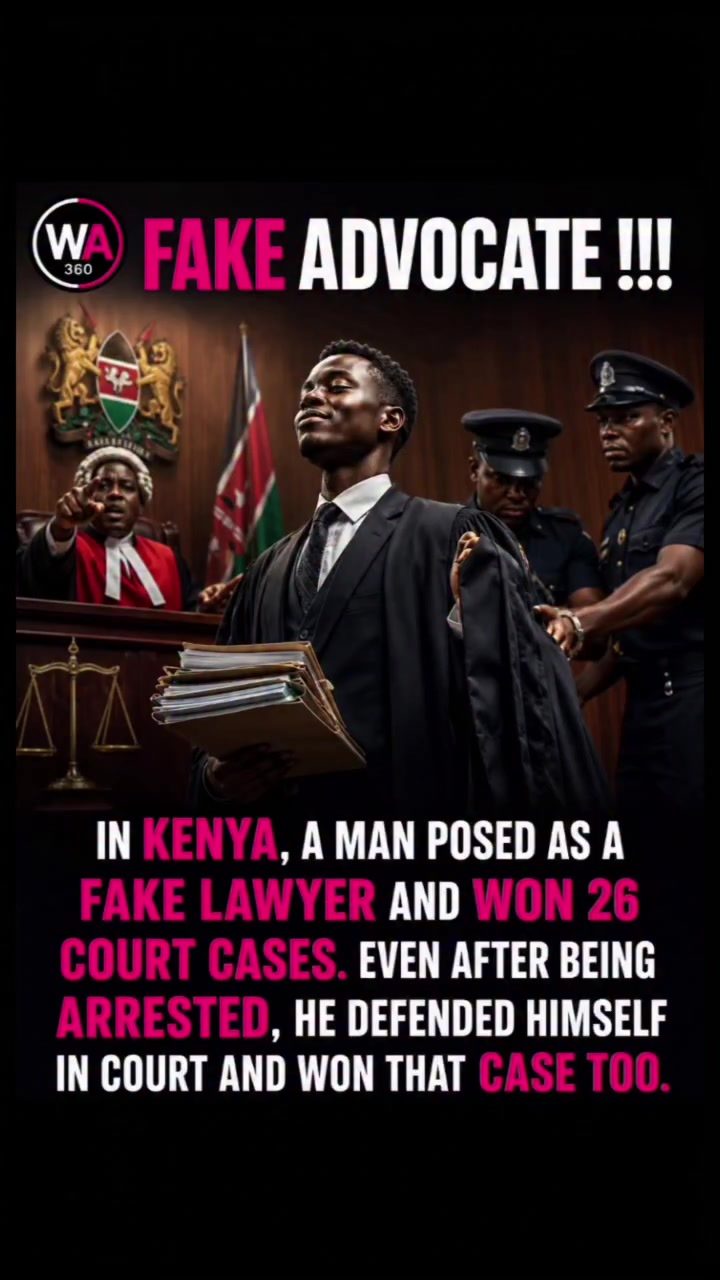
A man in Kenya posed as a fake lawyer and won 26 court cases. Even after his arrest, he successfully defended himself in court, sparking a global conversation about legal qualifications and justice systems. This incident has left many around the world questioning how such a scenario could unfold.
Why This Matters
The Kenyan case of the fake lawyer is more than just a courtroom oddity. It underscores the critical importance of verifying credentials and the potential consequences of relying on unverified information. The story has also drawn attention to the complexities of the legal system and the need for robust checks and balances to prevent similar incidents.
The Fake Lawyer's Remarkable Run
The Imposter's Rise
The man in question allegedly posed as a lawyer and managed to win 26 court cases. This achievement alone is astonishing, but the fact that he was able to convince courts and clients of his legal prowess without proper credentials is even more shocking. The imposter's success highlights significant gaps in the verification process within the Kenyan legal system.
The Unraveling
The man's charade came to light when his identity was scrutinized, likely after someone noticed inconsistencies or raised suspicions. Despite his eventual arrest, the story doesn't end there. He reportedly defended himself in court and won that case as well, intensifying the intrigue surrounding his legal acumen.
The Legal and Ethical Implications
The case raises several legal and ethical questions. How did this individual acquire the knowledge to win so many cases? Was his legal expertise genuine, or did he rely on luck and manipulation? The incident prompts a closer look at legal education and the standards for professional verification in Kenya. It also serves as a grim reminder that even the most sophisticated systems can be vulnerable to deception.
How Did He Do It?
The man's ability to win multiple court cases and defend himself successfully after his arrest begs the question: how did he do it? Several factors could have contributed to his success.
Legal Knowledge
Firstly, the man might have had some genuine legal knowledge. This could be self-taught, or he might have been assisted by someone with legal expertise. The ability to navigate the legal system effectively requires a deep understanding of the law, court procedures, and case precedents. His victories suggest that he might have had a good grasp of these elements.
Manipulation and Deception
Alternatively, the man might have employed manipulation and deception tactics. This could include forging documents, intimidating witnesses, or exploiting loopholes in the system. The fact that he was successful in multiple cases indicates a high level of cunning and strategic thinking.
Systemic Weaknesses
The incident also highlights potential weaknesses within the legal system. If someone can pose as a lawyer and win cases, there might be gaps in how legal credentials are verified and enforced. This raises concerns about the system's robustness and the measures in place to prevent such deceptions.
Practical Tips for Legal Systems
The Kenyan case serves as a wake-up call for legal systems worldwide. Here are some practical tips to enhance verification and security:
Enhanced Credential Verification
Legal systems should implement stricter verification processes for legal professionals. This could include more rigorous background checks, mandatory licensing, and regular audits to ensure compliance.
Public Awareness
Increasing public awareness about the importance of verifying legal credentials can also help. This could involve education campaigns and clear guidelines on how to check a lawyer's qualifications.
Technology Solutions
Technology can play a significant role in preventing such incidents. Digital verification systems, blockchain-based credentialing, and AI-driven monitoring could help ensure that only qualified professionals practice law.
Important Takeaways
The story of the fake lawyer in Kenya offers several important takeaways:
- Verification Matters: Always verify credentials, especially in professions that impact lives.
- Systemic Safeguards: Legal systems need robust safeguards to prevent and detect impersonation.
- Consequences of Deception: The repercussions of deception can be severe, affecting not just individuals but entire systems.
Conclusion
The Kenyan case of the fake lawyer is a stark reminder of the importance of verification and the potential consequences of relying on unverified information. While the incident is extraordinary, it highlights broader issues within legal systems worldwide. Ensuring robust verification processes, enhancing public awareness, and leveraging technology can help prevent similar incidents. As the story continues to unfold, it serves as a call to action for legal systems to review and strengthen their protocols.
Watch the Reel
Questions readers ask
How did the man manage to impersonate a lawyer in Kenya?
The man was able to impersonate a lawyer in Kenya by exploiting gaps in the legal system's verification process. He was able to present himself as a qualified legal professional, even appearing in court and winning 26 cases, which shows how easily one can slip through the cracks without proper checks.
What were the reactions to the fake lawyer's successful cases?
The reactions to the fake lawyer's successful cases were shock and disbelief, both locally and globally. The public and legal community were surprised that someone could win 26 cases without proper legal qualifications, highlighting the need for stricter verification processes.
What happened when the man was arrested?
Even after being arrested, the man defended himself in court and continued to operate within the legal system, showcasing the depth of the system's issues. His ability to navigate the courtroom successfully even after his arrest raised further concerns about the robustness of legal checks and balances.
What are the potential impacts of this case on the Kenyan legal system?
This case has sparked a global discussion about the importance of verifying legal credentials. It underscores the need for more rigorous background checks and stronger verification processes to ensure that only qualified individuals are practicing law.
What measures can be taken to prevent similar incidents in the future?
To prevent similar incidents, it is crucial to implement stricter verification processes for legal professionals. This includes thorough background checks, regular audits, and a more robust system for vetting those who enter the legal profession.
How does this case highlight the complexities of the legal system?
This case brings to light the complexities and vulnerabilities within the legal system. It shows that even the most well-established systems can have loopholes that allow for such impersonation, emphasizing the need for continuous monitoring and improvement of legal frameworks.
What role does public awareness play in preventing such impersonations?
Public awareness is vital in preventing such incidents. By being informed about the potential for impersonation and understanding the importance of verifying legal credentials, the public can help identify and report suspicious activities, thereby contributing to a more secure legal environment.
Recent articles
Fresh deep dives from the latest Reels we unpacked.




Comments
Be the first to comment.