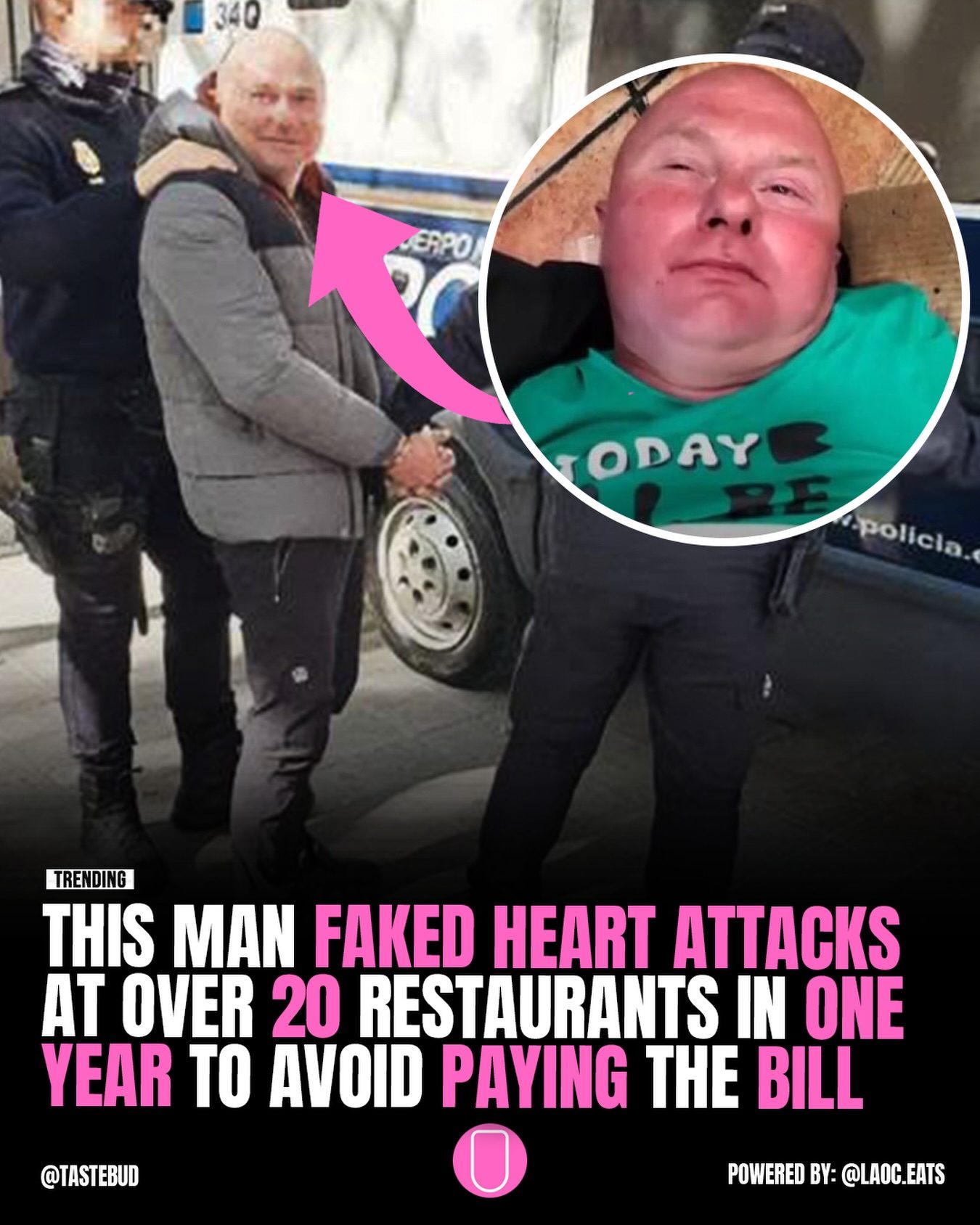
Viral Restaurant Scam
In Spain, restaurant owners were caught off guard when a 50-year-old man was arrested. The man was accused of repeatedly faking medical emergencies to avoid paying his bills. This unusual scheme involved ordering expensive items like lobster and whiskey, then collapsing dramatically as the check arrived. Emergency services were called, and he was taken away without settling the bill. This pattern occurred more than 20 times across different establishments before he was finally detained.
Why This Matters
This incident highlights both the ingenuity of some individuals when it comes to avoiding payment and the challenges that restaurants face in dealing with such unconventional scams. The widespread nature of the scheme—occurring at over 20 restaurants—points to a deeper issue that goes beyond individual instances of fraud. It draws attention to the need for vigilance in the dining industry and the importance of implementing measures to prevent and identify such behavior.
Main Discussion
The Method: Staged Emergencies
The man allegedly ordered high-value items, including lobster and whiskey, then faked a heart attack or medical emergency just as the bill was presented. This tactic ensured that the focus shifted away from payment and towards his supposed medical condition. Emergency services were called, and he was taken away, never to return and settle the bill. This method was repeated across multiple restaurants, suggesting a well-planned and rehearsed scheme.
Impact on Restaurants
For restaurant owners, such incidents can be more than just an inconvenience. They result in financial losses and disruption of service. Beyond the immediate financial impact, these events can also create a sense of unease among staff and patrons. The possibility of similar incidents occurring in the future adds another layer of stress.
Restaurant Perspectives
Many restaurant owners are likely to have been caught off guard by this tactic. The unexpected nature of the scam makes it difficult to prepare for and prevent. The lack of immediate consequences for the perpetrator, at least in the short term, can make it challenging for restaurants to protect themselves from recurring incidents.
The Legal Response
The fact that the man was finally arrested after more than 20 incidents indicates a significant effort on the part of investigators. It underscores the need for collaboration between law enforcement and the restaurant industry to address and prevent such schemes. The legal system’s involvement highlights the gravity of the situation and the necessity of stricter measures to protect businesses from fraudulent activities.
Practical Tips
Strengthening Security Measures
Restaurants can adopt several practical measures to mitigate the risk of such scams:
-
Staff Training: Educate staff on recognizing and responding to suspicious behavior. This includes being aware of unusual patterns in ordering and paying.
-
Surveillance Systems: Implement and utilize CCTV systems to monitor dining areas and payment processes. This can help in identifying and documenting any irregularities.
-
Payment Policies: Establish clear payment policies, including upfront deposits for large orders or potential issues with payment before serving. This ensures that the risk is minimized.
-
Collaboration with Authorities: Work closely with local law enforcement to report and address any suspicious activities. Regular updates and awareness campaigns can help in identifying and preventing such incidents.
-
Verification of Emergency Claims: Train staff to verify genuine emergencies by checking for signs like rapid heartbeat, sweating, and other medical symptoms. This approach can help differentiate between genuine medical emergencies and staged incidents.
Preventive Measures
Implementing preventive measures can significantly reduce the likelihood of being a victim of such scams. Training staff to recognize and respond to unusual behavior can be instrumental in identifying potential fraud. Additionally, adopting strict payment policies and utilizing surveillance systems can enhance security and minimize financial losses.
Important Takeaways
Vigilance is Key
This incident underscores the importance of vigilance in protecting businesses from unconventional scams. By being proactive and prepared, restaurants can minimize the risk of falling victim to such schemes.
The Role of Law Enforcement
Collaboration between the restaurant industry and law enforcement is crucial in addressing and preventing fraud. Regular updates and awareness campaigns can help identify and mitigate potential threats.
Industry Response
While this particular incident may have targeted Spanish restaurants, the lessons learned are universally applicable. The dining industry as a whole can benefit from strengthening security measures and adopting proactive approaches to fraud prevention. This collective effort ensures a safer and more secure environment for both businesses and patrons.
Conclusion
The arrest of a 50-year-old man for faking medical emergencies to avoid paying restaurant bills is a stark reminder of the unconventional tactics some individuals employ to evade payment. While this incident occurred in Spain, the lessons it offers are relevant to the global dining industry. By implementing preventative measures, strengthening security protocols, and collaborating with law enforcement, restaurants can better protect themselves from similar scams. This collaborative approach ensures a safer and more secure dining experience for everyone involved.
Watch the Reel
Questions readers ask
How did the man execute his restaurant scam?
The man would order expensive dishes and drinks, then feign a heart attack when the bill arrived. This would typically prompt the restaurant to call emergency services, allowing him to leave without paying.
How many restaurants did the man target with his scam?
The man was accused of carrying out this scam at over 20 different restaurants before his arrest. This widespread pattern highlights the scale of his deception.
What kind of items did the man typically order at the restaurants?
The man had a taste for the finer things, often ordering expensive items such as lobster and whiskey during his meals, which made his scam more impactful.
What measures can restaurants take to prevent similar scams?
Restaurants should be vigilant and train staff to recognize signs of deception, such as unusual behavior or inconsistencies in a patron's actions. Implementing stricter payment policies, like requiring payment upfront for expensive items, can also deter potential scammers.
What are the legal implications for the man who faked heart attacks at restaurants?
Faking a medical emergency is a serious offense. The man was arrested and likely faces charges related to fraud and false reporting. The severity of the charges will depend on the specific laws in Spain and the extent of the deception.
Related deep dives
Similar reads based on topic and creator.


Recent articles
Fresh deep dives from the latest Reels we unpacked.




Comments
Be the first to comment.