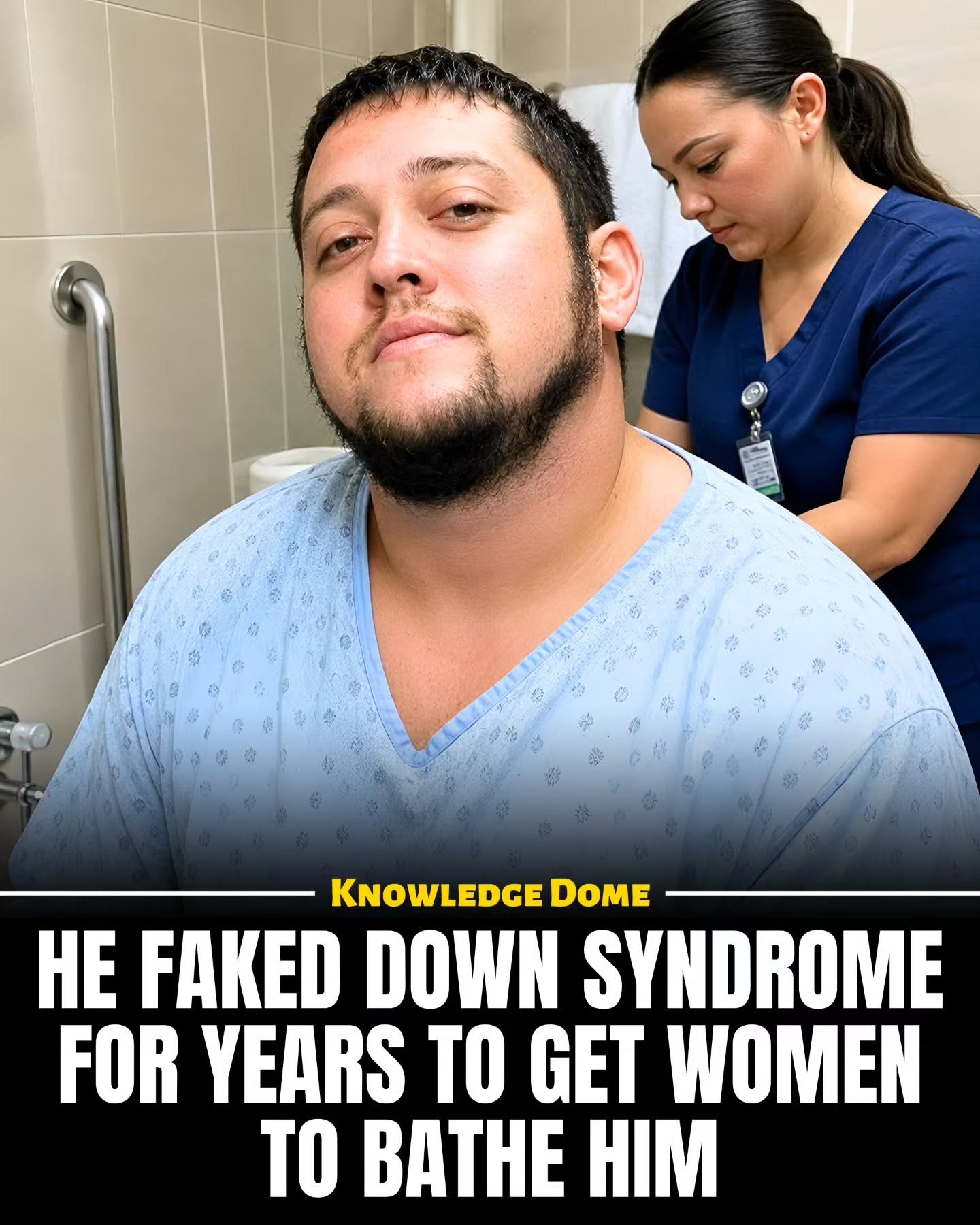
Paul Anthony Menchaca: A Disturbing Case of Deception
The case of Paul Anthony Menchaca is a stark reminder of the dangers lurking in online job listings, particularly in the caregiving sector. In 2018, Menchaca, a resident of Gilbert, Arizona, was arrested for creating a fake identity to exploit women into providing personal care. His actions not only highlight the risks of online interactions but also underscore the importance of vigilance and trust in personal and professional relationships.
Why This Matters
In today's digital age, many people rely on online platforms for job opportunities. Unfortunately, this convenience also opens the door to deceptive practices. Menchaca's case serves as a cautionary tale, emphasizing the need for caution and skepticism when engaging with strangers online, especially when personal care is involved.
The Deception Unveiled
Paul Anthony Menchaca's modus operandi involved creating a fake online persona named "Amy." Under this guise, he sought help for his supposed adult son, who he claimed had Down syndrome and required very private care, including bathing and diaper changes. The story was convincing enough to fool three different women over one summer. One caregiver mentioned that she provided assistance multiple times before noticing something was amiss.
Menchaca's deceit was uncovered when one of the caregivers became suspicious of his behavior. She decided to investigate further. Her suspicions were confirmed when she followed him to his real home, where his parents revealed that he had no disabled son.
The Dangers of Online Caregiving Jobs
Menchaca's case highlights several key risks associated with caregiving jobs offered online.
Lack of Physical Meetings
One of the most significant red flags mentioned in the case is the refusal to meet in person. Menchaca's insistence on keeping the interactions online should have raised suspicion among the caregivers. This behavior is a common tactic used by scammers and manipulators to avoid detection.
Secretive Behavior
Another concerning aspect is the secrecy surrounding the caregiving tasks. Menchaca's alleged need for private care, including bathing and diaper changes, should have been a warning sign. He insisted on keeping everything hidden, making it difficult for the caregivers to verify the legitimacy of his requests.
Non-disclosure of Medical Information
Caregivers should always have access to the necessary medical information to provide proper care. In Menchaca's case, the lack of real medical information should have been a clear indicator that something was not right. Caregivers should always request and verify medical records to ensure the authenticity of the caregiver role.
Important Red Flags to Look Out For
Trust Your Instincts
One of the key takeaways from this case is the importance of trusting your instincts. If something feels off or too good to be true, it probably is. Caregivers should always be on the lookout for any signs of deception and act on their suspicions.
Verify Information
Caregivers should always verify the information provided to them. This means checking medical records, speaking with family members, and conducting thorough background checks. This process ensures that the caregiver is providing genuine care and not falling victim to a scam.
In-Person Meetings
Before accepting a caregiving job, it is crucial to meet the person in need of care and their family in person. This step allows the caregiver to assess the situation and verify the legitimacy of the request. Online-only interactions should always be a cause for concern.
Practical Tips for Prospective Caregivers
Conduct Thorough Background Checks
When considering a caregiving job, always conduct a thorough background check on the person seeking care and their family. This process can help uncover any discrepancies or hidden motives.
Request References
Request references from previous caregivers or family members. This step can provide valuable insights into the legitimacy of the caregiving job and the person seeking care.
Verify Medical Information
Always request and verify medical information to ensure the authenticity of the caregiving job. This step can help prevent falling victim to scams and deceptive practices.
Trust Your Instincts
If something feels off or too good to be true, it probably is. Always trust your instincts and act on any suspicions. This approach can help prevent falling victim to deception and fraud.
Important Takeaways
The Importance of Verification
The case of Paul Anthony Menchaca underscores the importance of verification in caregiving jobs. Caregivers should always verify medical information, conduct thorough background checks, and request references to ensure the legitimacy of the caregiving job.
Trusting Your Instincts
Trusting your instincts can be a lifesaver in situations involving caregiving jobs. If something feels off or too good to be true, it probably is. Act on any suspicions and take the necessary steps to verify the information provided.
The Dangers of Online Interactions
Online interactions can be deceiving, and it is essential to be cautious when engaging with strangers. Always meet in person, request references, and verify medical information to ensure the authenticity of the caregiving job.
Conclusion
The case of Paul Anthony Menchaca serves as a cautionary tale, highlighting the risks associated with caregiving jobs offered online. By being vigilant, trusting your instincts, and verifying information, caregivers can protect themselves from falling victim to deception and fraud. Always remember that safety should be a top priority, and any job that seems too good to be true probably is.
Watch the Reel
Questions readers ask
What specific tactics did Paul Anthony Menchaca use to deceive caregivers?
Paul Menchaca created a fake identity and claimed to have a child with Down syndrome who required personal care. He used this deception to trick women into providing personal care and other services,
How did Paul Anthony Menchaca's case impact the perception of online caregiving jobs?
The case highlighted the risks of online interactions and the potential for deceptive practices in the caregiving sector. It raised awareness about the need for vigilance and skepticism when engaging with online personal care job listings.
What are some signs that an online caregiving job listing might be a scam?
Be wary of job listings that seem too good to be true, ask for personal information upfront, or involve caring for a family member with a fake disability or other suspicious conditions. Always verify the legitimacy of the job and the employer.
Why is it important to be cautious in online interactions related to caregiving?
Online interactions related to caregiving, when not approached with caution, can expose individuals to manipulative tactics and exploitative schemes. Caregivers should be vigilant to protect their time and personal well-being from those who may have malicious intentions.
Are there any specific steps caregivers can take to avoid being exploited online?
Caregivers should thoroughly research potential employers, verify their identities and the legitimacy of their job listings, and be cautious of any requests for personal information or advance payments. Trust your instincts and avoid situations that seem suspicious.
What legal consequences did Paul Anthony Menchaca face for his actions?
Paul Anthony Menchaca was arrested in 2018 and faced legal consequences for his deceptive practices. His actions were taken as a criminal offense, and his case serves as a legal precedent about the dangers of online deception and exploitation.
Why should caregivers be particularly cautious about online jobs involving caring for a child with a disability?
Jobs involving caring for a child with a disability, such as Down syndrome, can be more attractive for potential scams. Caregivers should be extra cautious and verify the legitimacy of the job and the employer. Be aware of the signs of a caregiver scam, such as requests for personal information or suspicious behavior.
Recent articles
Fresh deep dives from the latest Reels we unpacked.




Comments
Be the first to comment.