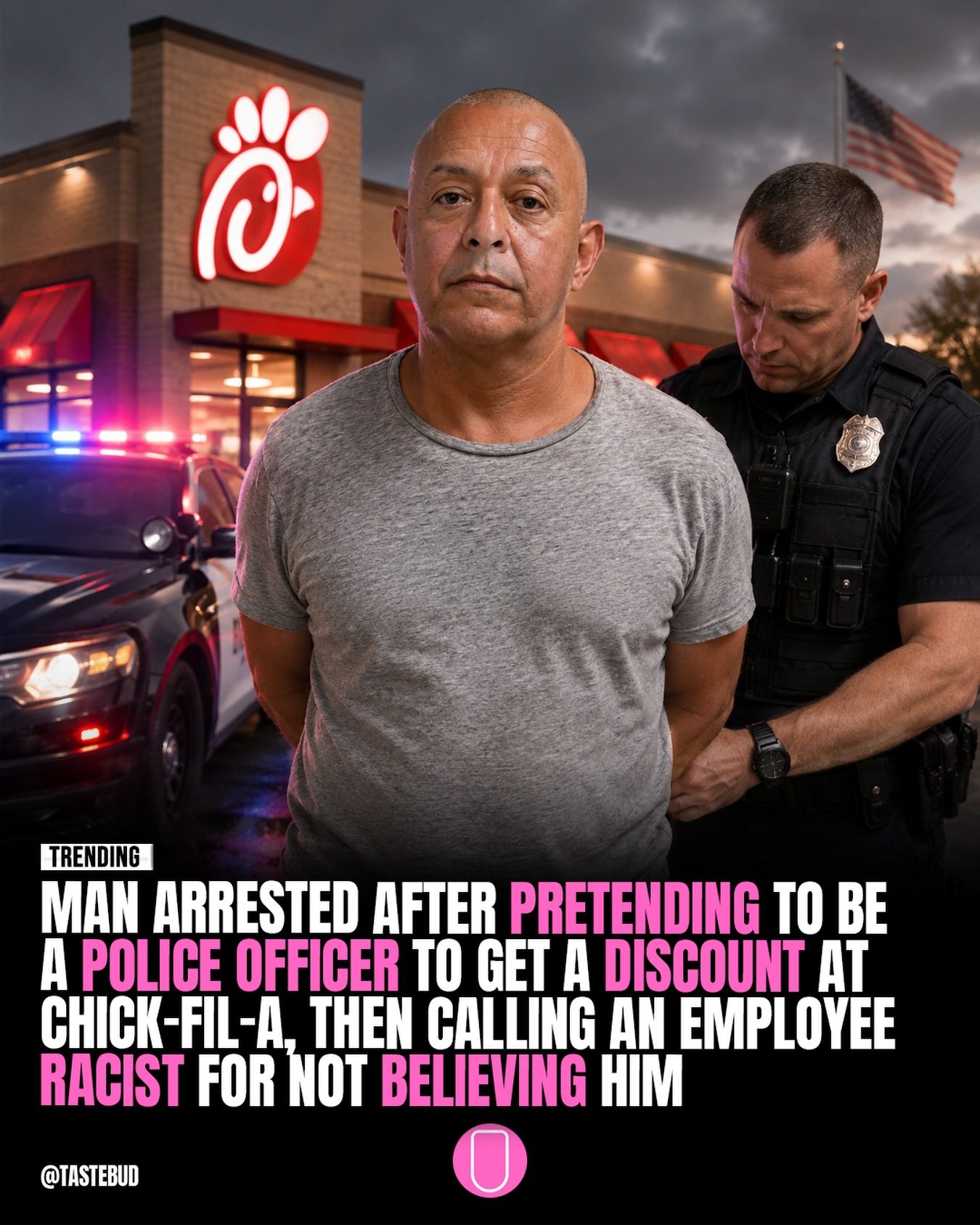
The arrest of a man in Texas for impersonating a police officer to secure a discount at Chick-fil-A highlights the complexities of identity verification and customer conduct in fast-food establishments. The situation escalated when staff members requested proper identification, leading to accusations of racism and ultimately, an arrest.
The Incident
The incident unfolded at a Chick-fil-A restaurant where a man attempted to impersonate a police officer to secure a discount. When the staff requested proper identification and the man denied their request, tensions rose. The man later claimed that he had only presented a veteran card, but the police charged him with false identification. The situation escalated to the point where the man accused an employee of racism when they did not believe his claim of being a police officer. He was subsequently arrested and released after posting bond the following day.
Such incidents raise critical questions about the balance between customer service and security, as well as the protocols in place to handle claims of false identification and accusations of racism.
The Role of Customer Service
In fast-food restaurants, customer service is a cornerstone of the dining experience. However, ensuring the integrity of special promotions and discounts is equally important. Staff members are often the first line of defense in verifying the authenticity of claims, whether they involve military discounts or law enforcement credentials.
Verification Protocols
Chick-fil-A, like many fast-food chains, offers discounts to specific groups, such as military personnel and first responders. To prevent fraud, staff are trained to verify the authenticity of claims. This process often involves checking valid identification, such as a military ID or a law enforcement badge. However, the process can become complicated when customers present alternative forms of identification, such as veteran cards.
Handling Accusations of Racism
Accusations of racism in customer service settings are particularly sensitive and can have significant consequences for both the customer and the employee. When an employee refuses to accept a claim due to insufficient identification, the situation can quickly escalate if the customer feels mistreated or discriminated against. Training for staff in de-escalation techniques and handling such accusations is crucial to maintaining a positive and respectful environment.
Legal Implications
The incident also highlights the legal consequences of impersonating a public official. In Texas, false identification is a criminal offense that can lead to arrest and prosecution. This situation underscores the importance of adhering to legal standards and the potential risks of attempting to deceive authorities.
Public Safety and Legal Consequences
Impersonating a law enforcement officer is a serious offense because it undermines public safety and can lead to legal penalties. In this case, the man was charged with false identification, which carries legal ramifications that can affect his future. Understanding the legal boundaries and the consequences of breaching them is essential for individuals to avoid such situations.
Practical Tips for Handling Discounts and Identification
For Customers
If you are eligible for a discount and need to present identification, be prepared with the appropriate documents. Common forms of identification for discounts include:
- Military ID Cards: These are issued to active-duty military personnel and often include a photo and military branch information.
- Driver’s License and Veteran Cards: Some veterans may carry a state-issued veteran ID card, which can be used for verification.
Understanding the specific requirements for each type of discount and being prepared with the correct identification can prevent misunderstandings and potential conflicts.
For Employees
Handling customer claims effectively involves:
- Clear Communication: Clearly communicate the identification requirements for discounts and promotions. This includes specifying the types of ID accepted and why they are necessary.
- Calm De-escalation: If a customer becomes upset or accuses an employee of discrimination, stay calm and explain the policy. Avoid engaging in a heated argument and seek assistance from a supervisor if needed.
- Consistent Policies: Ensure all staff members are trained on verification protocols and handle claims consistently to avoid discrepancies in service.
Important Takeaways
The Chick-fil-A incident highlights several important takeaways for customers and employees:
- Always be prepared with the correct identification for any discounts or promotions.
- Understand the legal consequences of misrepresenting oneself, especially when it involves public officials.
- For employees, clear communication and consistent application of verification policies can prevent misunderstandings and conflicts.
- Handle accusations of discrimination with calm and professionalism, and seek assistance from management if necessary.
Conclusion
The arrest of a man in Texas for impersonating a police officer to gain a discount at Chick-fil-A serves as a reminder of the importance of proper identification and the potential consequences of attempting to deceive authorities. Whether you are a customer or an employee, understanding the verification process and handling claims responsibly can prevent misunderstandings and ensure a positive experience. Always be prepared, stay calm, and adhere to legal standards to avoid similar situations.
Watch the Reel
Questions readers ask
What led to the arrest of the man at Chick-fil-A?
The man was arrested for impersonating a police officer to obtain a discount at a Chick-fil-A restaurant. The incident began when he presented a veteran card, instead of proper identification, and then accused the staff of racism.
What is the Chick-fil-A police discount and how is it verified?
The Chick-fil-A police discount is a benefit offered to law enforcement officers. Verification typically requires a valid law enforcement ID or similar proof of employment.
How did the situation escalate to accusations of racism?
The situation escalated when the man became confrontational after being asked for proper identification. He accused the staff of racism after they did not accept the veteran card and requested a valid police ID.
What are the legal consequences for impersonating a police officer?
Impersonating a police officer is a criminal offense. The man was charged with false identification, which can carry penalties including fines and jail time, depending on the jurisdiction.
Why is identity verification important in fast-food establishments?
Identity verification in fast-food establishments, like Chick-fil-A, ensures that discounts and benefits are given to the right individuals. It helps prevent fraud and maintains the integrity of the customer service experience.
How can fast-food restaurants handle similar incidents more effectively?
To handle such incidents more effectively, fast-food restaurants can provide clear guidelines on acceptable forms of identification and train staff on conflict resolution. Additionally, implementing clear signage about required identification can help prevent misunderstandings.
What can customers do if they feel they are being unfairly treated due to their identity?
If a customer feels they are being unfairly treated, they should remain calm and polite. They can request to speak to a manager, and if the issue persists, they can file a complaint with the restaurant's corporate office or a relevant authority.
Related deep dives
Similar reads based on topic and creator.


Recent articles
Fresh deep dives from the latest Reels we unpacked.




Comments
Be the first to comment.