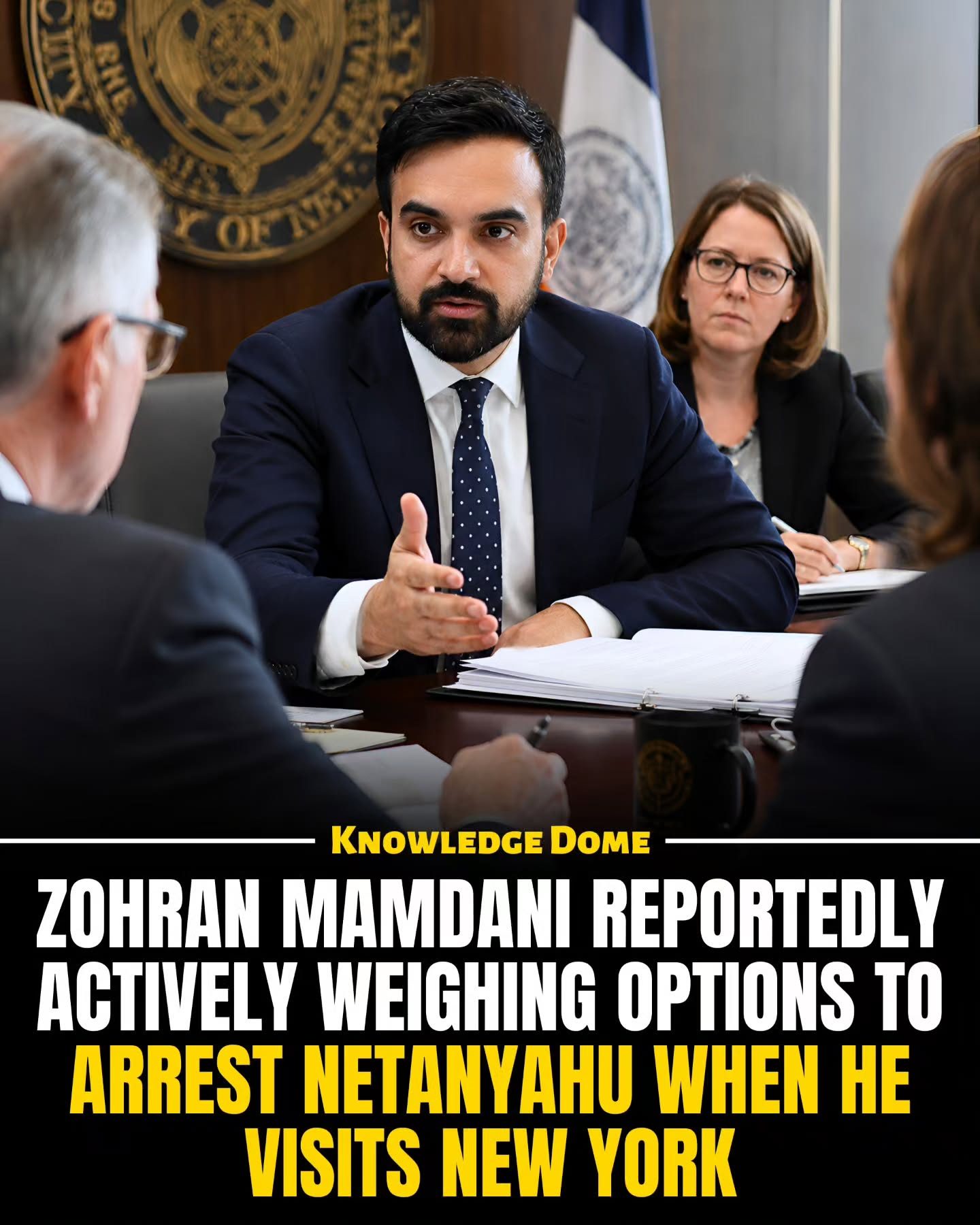
New York City Mayor Zohran Mamdani has stated his lack of legal authority to arrest Israeli Prime Minister Benjamin Netanyahu if the latter visits New York. Initially, Mamdani explored options for the city to act in the event of an International Criminal Court (ICC) warrant. However, a legal review by the New York City Law Department concluded that the city does not possess the jurisdiction to enforce international arrest warrants against visiting foreign leaders. This limitation is due to the hierarchy of U.S. law, which places federal authority above city power in such matters, especially when they involve a foreign head of state.
Context: Legal Framework and Diplomatic Immunity
In the United States, the legal structure ensures that federal law takes precedence over city law, particularly in international affairs. Diplomatic immunity further complicates local enforcement of international warrants. This means that even if the ICC issues a warrant, local law enforcement, including the New York Police Department (NYPD), cannot act on it without federal authorization. This legal framework applies to visiting foreign leaders, ensuring that such situations are handled at a higher governmental level.
To get to the bottom of this situation, we must understand two key legal concepts: jurisdiction and diplomatic immunity.
Jurisdiction
Jurisdiction refers to the authority of a court or law enforcement agency to make legal decisions and enforce laws. In the United States, this authority is divided among different levels of government:
- Federal jurisdiction: Deals with matters that affect the country as a whole, such as international relations, interstate commerce, and certain criminal offenses.
- State jurisdiction: Covers matters that affect individual states, such as state laws, local crimes, and intra-state commerce.
- City jurisdiction: Focuses on local laws, ordinances, and minor offenses within city limits.
In the case of Netanyahu's potential visit, federal jurisdiction prevails because it involves a foreign head of state and international law.
Diplomatic Immunity
Diplomatic immunity prevents diplomats and foreign heads of state from being subject to the local laws of the country they are visiting. This ensures that diplomats can perform their duties without fear of harassment or prosecution. While immunity does not protect against serious crimes like war crimes, enforcing such warrants typically requires international cooperation and federal intervention.
Main Discussion
Municipal vs. Federal Authority
New York City's legal review highlighted the limitations of municipal authority in matters of international law. The city's law department, following a thorough examination, found that the NYPD cannot enforce international arrest warrants against visiting foreign leaders. This determination underscores the necessity of federal involvement in such high-stakes scenarios.
The implications of this decision are significant for understanding the balance of power between local and federal authorities in the United States. Federal power comes before city power, especially in international matters, dictating that local enforcement agencies cannot act on international warrants without federal backing. This principle extends to other cities and law enforcement agencies throughout the country, reinforcing the hierarchy of legal authority in the U.S.
Mamdani’s Shift in Strategy
After realizing the legal constraints, Mayor Mamdani adjusted his approach. Instead of stating that New York City would handle the arrest, he posted a video where he labeled Netanyahu a "war criminal." Mamdani appealed directly to the U.S. government, urging it to join the ICC and manage the warrant itself. This strategy highlights how understanding the legal framework can help shape public statements and diplomatic actions.
Reactions from Key Figures
Mamdani's statements and the ensuing discussions sparked immediate reactions from prominent figures.
- President Donald Trump: Rejected the idea of arresting Netanyahu during his visit, asserting that the Israeli Prime Minister would not be arrested.
- Israel's UN Ambassador Danny Danon: Criticized Mamdani, stating that his threats lacked legal basis.
- Benjamin Netanyahu: Dismissed the claims and affirmed his plans to travel to New York.
These reactions underscore the complexities of international relations and highlight how legal frameworks are not just theoretical constructs but influence real-world decisions and diplomatic interactions.
Practical Tips
For Government Officials
Understanding the limits of local authority in international affairs is crucial for government officials. Knowing when to involve federal agencies and how to navigate legal constraints can prevent unnecessary conflicts and ensure compliance with higher legal standards.
For Legal Professionals
Legal professionals dealing with international cases must be well-versed in the nuances of jurisdiction and diplomatic immunity. This knowledge is essential for advising clients on the feasibility of legal actions and understanding the scope of local, state, and federal authority.
For Citizens
Staying informed about the legal framework governing international relations can help citizens understand the limitations of local authorities. This knowledge can foster a more nuanced perspective on public statements and diplomatic actions, promoting a better-informed citizenry.
Important Takeaways
-
Federal Precedence: Federal law and diplomatic immunity limit the ability of local authorities to enforce international warrants against visiting foreign leaders. This legal framework ensures a balance of power and compliance with international standards.
-
Proper Legal Channels: Local authorities must work within their legal boundaries and involve federal agencies when dealing with international matters. Effective communication and collaboration between different levels of government are essential for navigating complex legal scenarios.
-
Public Statements and Diplomacy: Understanding legal constraints can inform public statements and diplomatic strategies, ensuring they are grounded in reality and aligned with legal frameworks.
Conclusion
The legal constraints faced by New York City in considering the arrest of Benjamin Netanyahu highlight the intricacies of international law and diplomatic immunity. Federal authority and the hierarchy of legal jurisdiction play critical roles in shaping how such matters are handled. This issue underscores the importance of understanding legal boundaries and the necessity of federal involvement in international affairs. By staying informed about these complexities, government officials, legal professionals, and citizens can better navigate the intricate landscape of international law and diplomacy.
Watch the Reel
Questions readers ask
Can Mayor Mamdani arrest Netanyahu based on an ICC warrant?
No, Mayor Mamdani lacks the legal authority to arrest Netanyahu, even if an ICC warrant is issued. The jurisdiction to enforce such warrants in the U.S. lies with federal authorities, not city officials.
What role does diplomatic immunity play in this situation?
Diplomatic immunity may shield Netanyahu from local arrest. This immunity is a part of international law, which can override local laws and practices. The United States recognizes this immunity in accordance with the Vienna Convention.
Why can't New York City enforce an arrest warrant for Netanyahu?
New York City cannot enforce an arrest warrant for Netanyahu because federal law takes precedence over city law, particularly in matters involving foreign heads of state. The city's legal framework does not grant it authority over foreign diplomats, heads of state, and international arrest warrants.
What steps has Mayor Mamdani taken to address this legal dilemma?
Ms. Mamdani has explored the legal options available to the city. She has conducted a review to understand the limitations of the city's jurisdiction, consulting with the New York City Law Department, which confirmed that the city does not have the authority to enforce international arrest warrants.
What happens if Netanyahu visits New York City?
If Netanyahu visits New York City, local law enforcement cannot arrest him based on an ICC warrant or other international issues. Federal authorities would need to be involved, and Netanyahu's diplomatic immunity would likely protect him from local arrest.
Who has the authority to arrest Netanyahu in the United States?
Federal authorities in the United States have the jurisdiction to enforce international arrest warrants, such as those issued by the ICC. However, even federal authorities may be limited by diplomatic immunity, which can complicate such actions.
Recent articles
Fresh deep dives from the latest Reels we unpacked.




Comments
Be the first to comment.