The Financial Cost of Military Action in Iran
New York City Mayor Zohran Mamdani has shed light on the substantial financial resources allocated to military operations, particularly in Iran. Mamdani underscored the staggering amount of money the government spends on these endeavors and questioned why those same resources are not directed towards meeting the needs of ordinary citizens.
Why This Matters
Discourse around governmental spending often centers on the allocation of funds to defense versus domestic issues. Mamdani has brought this debate to the forefront by highlighting the staggering amount of money spent on military action in Iran. By questioning the priorities of governmental budgeting, he has invited a broader conversation about how resources could be better utilized to address domestic needs.
The Magnitude of Military Spending
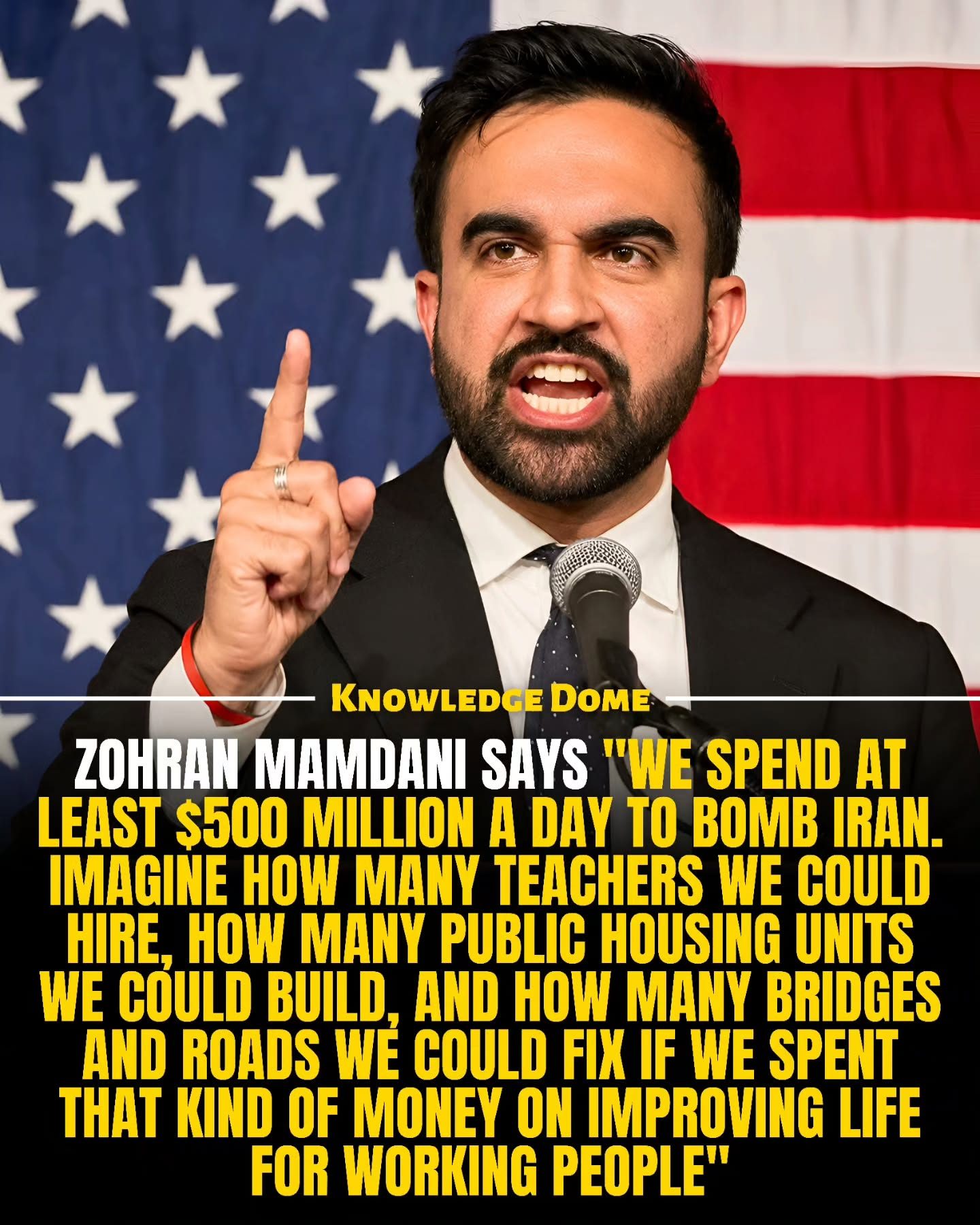
Mamdani's message emphasized the sheer scale of military expenses, specifically mentioning that the government spends at least $500 million daily on bombing Iran. This figure places the scope of military spending in stark relief. It's a staggering sum that underscores the financial commitment to military operations, often at the cost of domestic welfare programs.
Alternative Uses for Military Funds
The primary focus of Mamdani's comments is the potential for reallocation of these funds to address critical domestic issues. He suggested that such significant financial investments could be redirected to improve the lives of working people. Specifically, he mentioned several key areas where this money could make a substantial difference:
Education
Hiring more teachers is a critical investment in the future. By allocating funds towards education, the government can ensure that the next generation is well-prepared to contribute to society. Increased educational opportunities can lead to a more skilled workforce, which in turn boosts economic productivity and innovation.
Public Housing
Building more affordable public housing is another area where significant funds could be highly beneficial. Affordable and safe housing is fundamental to the well-being of families and communities. By investing in public housing, the government can help stabilize neighborhoods, promote economic growth, and provide a sense of security for residents.
Infrastructure
Fixing roads, bridges, and other critical infrastructure is essential for maintaining a functional society. By directing military spending towards repairing and improving infrastructure, the government can enhance public safety, facilitate economic activity, and foster community development. Well-maintained infrastructure supports daily life, making it easier for people to access jobs, healthcare, and other essential services.
The Broader Discussion
Mamdani's remarks have sparked a broader conversation about the priorities of governments in terms of spending. The public is increasingly questioning why so much money is allocated to military actions when there are pressing needs at home. This debate touches on fundamental issues of fairness and the allocation of resources. It highlights the disconnect between military spending and the daily struggles of working families who often need better schools, safer homes, and stronger public services.
Practical Tips for Engaging in the Discussion
As the public becomes more engaged in discussions about government spending, it’s essential to stay informed and vocal. Here are some practical tips for engaging in this ongoing dialogue:
Stay Informed
Regularly read news articles, watch debates, and listen to discussions about governmental budgets and military spending. Staying informed will help you understand the complexities and nuances of the issue.
Voice Your Opinions
Share your thoughts on social media, participate in local community meetings, and engage with your representatives. Your voice matters, and expressing your concerns can influence policy decisions.
Advocate for Transparency
Push for greater transparency in how public funds are allocated. Transparency ensures that the public is aware of how their tax dollars are being spent and can hold elected officials accountable.
Support Advocacy Groups
Join or support organizations that advocate for fair budget allocation and domestic spending. These groups often have the expertise and resources to push for meaningful change.
Important Takeaways
The debate around military spending versus domestic needs is a complex and multifaceted issue. Mamdani’s comments have brought this debate to the forefront, highlighting the vast sums spent on military actions and the potential benefits of reallocating those funds to address critical domestic issues. The public discussion around this topic underscores the importance of prioritizing the needs of ordinary citizens and ensuring that governmental spending reflects the values and priorities of the people.
Conclusion
Mamdani's remarks serve as a reminder that the choices governments make about where to allocate resources have far-reaching implications. By scrutinizing military spending and considering alternative uses for those funds, we can work towards a more equitable and prosperous society. As the conversation continues, it is crucial to stay engaged, informed, and vocal about the priorities that matter most to communities and families.
Watch the Reel
Questions readers ask
What specific military actions in Iran has Mamdani been referring to?
New York City Mayor Zohran Mamdani has been vocal about the substantial government expenditure on military operations in Iran, though he has not specified particular military actions. Instead, he focuses on the general allocation of massive financial resources to military efforts in the region, advocating for a shift in funding priorities.
How much of the government budget is allocated to military operations in Iran?
The exact amount of the government budget allocated to military operations in Iran is not explicitly stated by Mamdani. He emphasizes the significant cost of these operations, implying that the resources used for these efforts could better serve domestic needs if redirected.
What are the primary domestic needs that Mamdani suggests should be funded instead of military operations in Iran?
Mamdani advocates for redirecting funds from military operations to address critical domestic needs, such as public infrastructure, teacher salaries, and support for families in need. This includes funding for roads, bridges, and other essential public services in the United States.
Why does Mamdani believe that redirecting funds from military operations in Iran is important?
Mamdani believes that redirecting funds from military operations in Iran is important because it could significantly improve domestic conditions and quality of life for ordinary citizens. By prioritizing domestic needs, the government could address various issues that directly impact the lives of its citizens, from infrastructure to social services.
How has the public responded to Mamdani's critique of Iran war spending?
Mamdani's critique of government spending on military operations in Iran has sparked a broader conversation about budget priorities. His perspective has resonated with many who believe that resources could be better utilized to meet the needs of citizens at home, rather than funding extensive military endeavors abroad.
What are the potential benefits of prioritizing domestic needs over military spending in Iran?
Prioritizing domestic needs over military spending in Iran could lead to substantial improvements in public infrastructure, better support for teachers, and enhanced aid for families in need. This shift in focus could result in a more robust and equitable society, with better-funded essential services and a higher quality of life for citizens.
Recent articles
Fresh deep dives from the latest Reels we unpacked.




Comments
Be the first to comment.