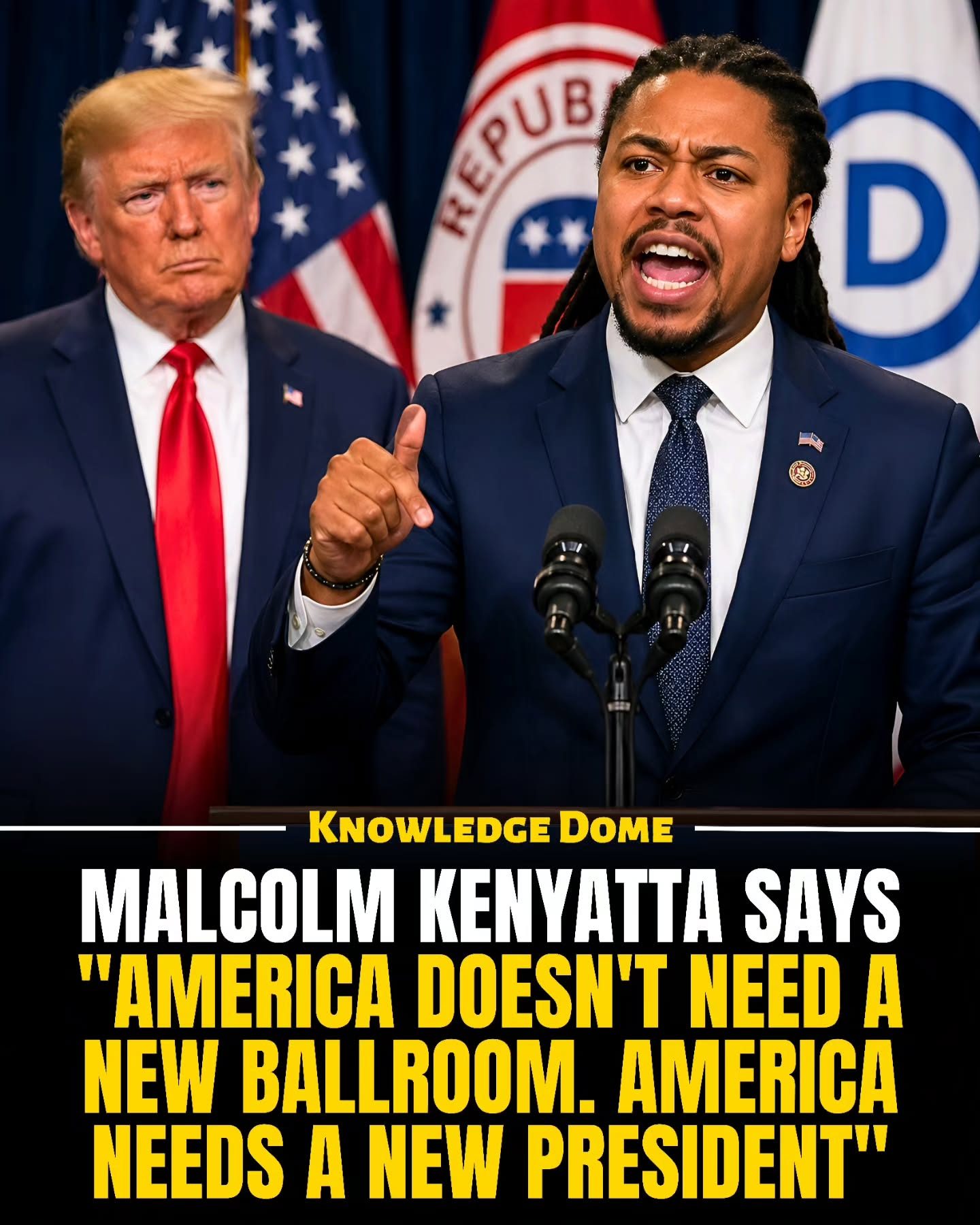
Political Commentary on White House’s Ballroom and Presidential Priorities
House Representative Malcolm Kenyatta’s recent statement has sparked a national debate, focusing on the contrast between President Donald Trump’s proposal for a new taxpayer-funded ballroom at the White House and the pressing issues facing everyday Americans.
Why This Matters
Kenyatta’s comment, “America does not need a new ballroom. America needs a new president,” has drawn attention to the importance of political leadership and priorities. Taxpayer-funded projects, especially those perceived as vanity projects, often face criticism. Trump’s proposal for a new ballroom at the White House is no exception. This debate highlights the broader issue of how public funds are allocated and what should take priority in government spending.
Trump's Ballroom Plan
Trump’s plan to build a new ballroom at the White House has been met with a mix of support and criticism. Supporters argue that a new ballroom would enhance the White House’s ability to host major events and diplomatic gatherings, providing a more modern and functional space for official functions. They believe that such a project could elevate the prestige and functionality of the White House, making it a more fitting backdrop for high-level meetings and state functions.
Kenyatta's Critique
On the other hand, Kenyatta’s critique centers on the idea that the country’s immediate needs are not being addressed. Kenyatta labeled the ballroom proposal a "vanity project" and pointed out that America should prioritize solving issues such as the rising cost of living, healthcare, and gun violence. He emphasized that a new ballroom does not address the daily struggles of working families.
Cost of Living
The rising cost of living has been a significant issue for many Americans. Housing, food, and healthcare costs have all increased, placing a heavy financial burden on families. Kenyatta’s argument is that instead of investing in a ballroom, the government should focus on implementing policies to ease these financial pressures.
Healthcare
Healthcare is another critical area where Kenyatta believes greater attention is needed. Rising healthcare costs and the lack of access to affordable healthcare services have been long-standing issues. Kenyatta argued that these problems should be addressed before considering new construction projects that do not directly benefit the public.
Gun Violence
Gun violence remains a pressing concern in many communities across the country. Kenyatta’s statement underscores the need for effective measures to reduce gun-related incidents. He believes that addressing this issue should be a top priority for the government, rather than investing in lavish construction projects.
Practical Tips
If you want to engage in political discussions or advocate for policy changes, here are some practical tips:
Engage in Local Politics
Local politics can have a significant impact on your community. Attend local meetings, voice your concerns, and get involved in decision-making processes. This can help ensure that your community’s needs are addressed effectively.
Advocate for Policy Changes
Advocacy involves raising awareness about issues that matter to you. Write to your representatives, join advocacy groups, and participate in public forums. Collective action can often lead to policy changes that address pressing issues.
Support Candidates Who Align with Your Values
Supporting candidates who align with your values can help ensure that your interests are represented in government. Research candidates thoroughly before voting, and consider their stances on key issues.
Stay Informed
Staying informed about current events and policy debates is crucial. Follow reliable news sources, engage in discussions, and stay updated on legislative actions. Knowledge is power, and being informed can help you make educated decisions and take appropriate actions.
Important Takeaways
The debate surrounding Trump’s ballroom plan and Kenyatta’s critique highlights the importance of political priorities and public spending. This discussion underscores the need for leadership that focuses on addressing the immediate needs of the public. The contrast between the proposed ballroom and the pressing issues Kenyatta mentioned serves as a reminder of the often-contentious nature of political decision-making and the complex choices leaders must make.
Conclusion
The debate around a new ballroom at the White House and the pressing issues facing Americans illustrates the broader questions about government priorities. Kenyatta’s critique emphasizes the need for leadership that addresses real problems, such as the cost of living, healthcare, and gun violence. As citizens, it is essential to engage in political discussions, advocate for change, and stay informed. This debate serves as a reminder of the role we play in shaping the future of our nation.
Watch the Reel
Questions readers ask
What prompted Malcolm Kenyatta to make his statement about America needing a new president rather than a new White House ballroom?
Malcolm Kenyatta's statement was a direct response to President Donald Trump's proposal for a taxpayer-funded ballroom at the White House. Kenyatta felt that public funds should be directed towards addressing the real needs of Americans, such as the rising cost of living, healthcare, and public safety. This criticism underscores the debate on how to prioritize government spending.
What are the main issues that Kenyatta believes should take priority over the White House ballroom project?
Kenyatta emphasizes the need for a new president to tackle the day to day issues facing Americans. This includes addressing the rising cost of living, improving healthcare access, and reducing gun violence. The focus is on the practical needs of the American people, rather than on aesthetic or symbolic upgrades.
How has the public reacted to the debate between the White House ballroom and American everyday needs?
The debate has sparked a national conversation. Many Americans agree with Kenyatta that the current White House needs to address the more important issues that affect the average American. This has led to a heightened awareness of the importance of prioritizing issues affecting everyday life, as opposed to what are considered minor improvements to the White House.
What is the significance of the White House construction debate in the context of American politics?
The debate signifies a deeper discussion on political leadership and priorities. It highlights the tension between what some view as unnecessary spending on aesthetic improvements and the urgent needs of the American people. This debate reflects a broader concern about how public funds are allocated and the priorities of those in power.
What other House representatives have spoken against the White House ballroom construction?
While Malcolm Kenyatta's comments have been particularly notable, other representatives have also expressed concerns about the White House construction. The debate is ongoing, with various representatives and political analysts weighing in on the importance of addressing everyday needs over what could be seen as extravagant building projects.
Why has the cost of living become such a central issue in American politics?
The cost of living has become a central issue due to its direct impact on the quality of life for everyday Americans. With rising housing costs, healthcare expenses, and other essentials, many Americans are feeling the financial strain. This has made addressing the cost of living a top priority for many political figures, including Malcolm Kenyatta.
How does the White House construction debate influence the 2024 presidential election?
The debate influences the 2024 presidential election by highlighting the differences in priorities between political candidates. It underscores the importance of leadership that focuses on addressing real issues facing Americans, rather than on symbolic or aesthetic projects. This can influence voter decisions and shape the political landscape leading up to the election.
Recent articles
Fresh deep dives from the latest Reels we unpacked.




Comments
Be the first to comment.