Work Stress and LGBTQ+ Identity: A Controversial Statement
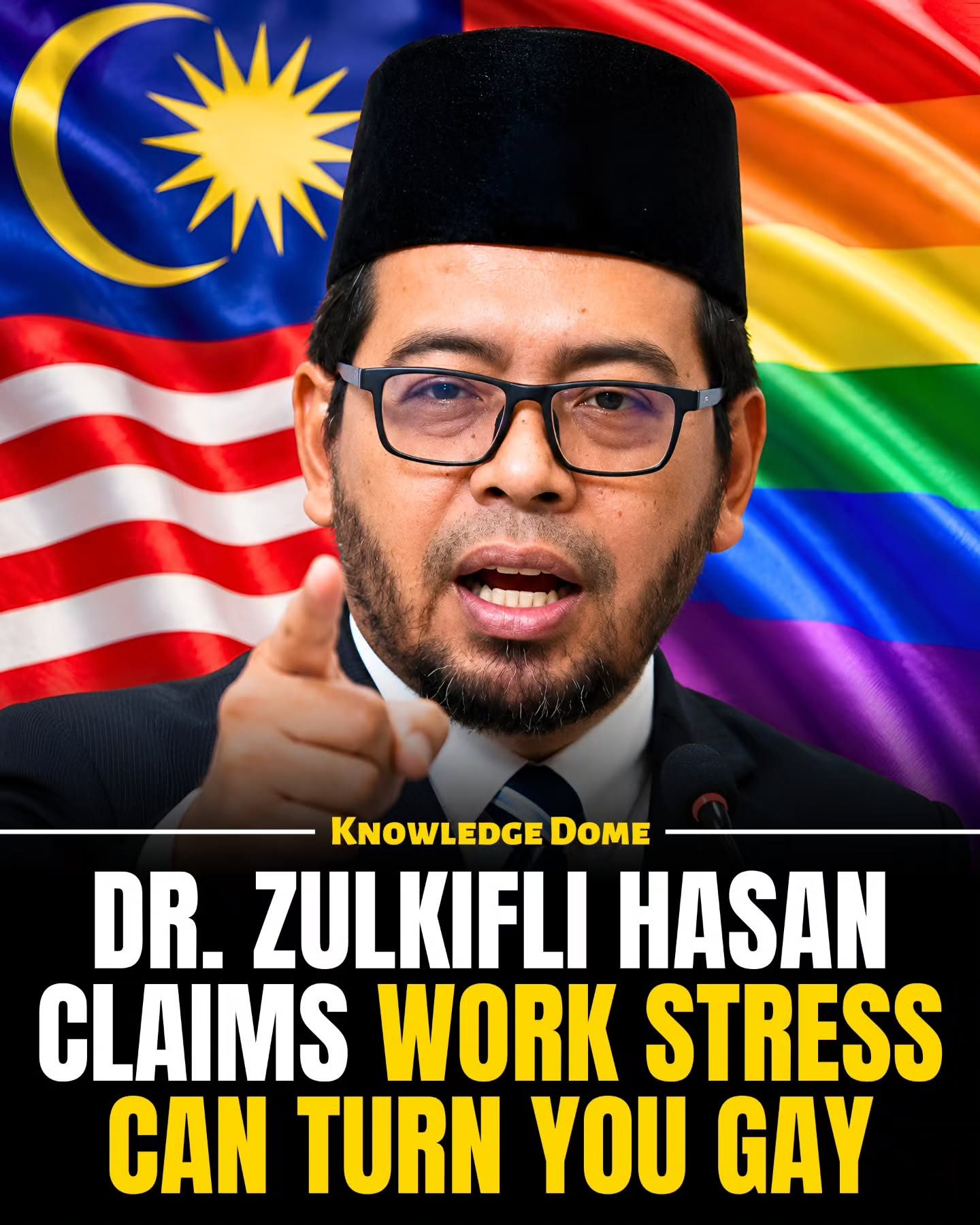
In January 2026, Malaysia's Religious Affairs Minister, Dr. Zulkifli Hasan, made a statement that quickly went viral worldwide. In a written parliamentary reply, he suggested that work stress, tiredness, and certain social influences could be linked to people becoming LGBTQ+. This claim sparked intense debate and criticism, particularly from doctors, human rights groups, and LGBTQ+ activists.
Context / Why This Matters
Dr. Zulkifli's statement is significant because it touches on deeply personal and complex issues surrounding identity, mental health, and societal attitudes. His comments were immediately met with skepticism and pushback, highlighting the ongoing struggle for accurate and respectful understanding of LGBTQ+ identities.
The Claim and Its Origins
Dr. Hasan's assertion was based on a local academic paper from 2017, which he cited to support his view. The paper's findings, however, were not widely accepted by the scientific community. The minister's claim that following religious teachings closely could prevent these changes added another layer of controversy, as it suggested a moral or religious component to sexual orientation.
The Scientific Consensus
Doctors, human rights groups, and LGBTQ+ activists strongly opposed Dr. Hasan's views. They argued that sexual orientation is not caused by stress or overwork. Leading global health experts concur that being LGBTQ+ is a natural part of human diversity, not something individuals "become" due to external pressures or tiredness. This perspective is supported by extensive research in psychology, biology, and sociology.
The Reaction on Social Media
The statement also became a significant talking point on social media. Many users responded with memes and sarcastic comments, often humorous in nature but underscoring the absurdity of the claim. Some users joked about needing fewer work hours or extra days off to prevent people from "turning gay," while others pointed out that if stress truly had such an effect, many high-pressure jobs would have altered the sexual orientations of countless individuals by now.
The Legal and Social Landscape in Malaysia
In Malaysia, same-sex relationships are still illegal under federal law, and religious authorities hold significant influence over LGBTQ+ policies. This legal and social context adds complexity to the debate, as it affects how LGBTQ+ individuals navigate their identities and rights in the country. Dr. Hasan's statement, therefore, had far-reaching implications beyond the immediate controversy.
Key Points from Dr. Hasan's Statement
- Work Stress and Tiredness: Dr. Hasan claimed that work stress and tiredness could be factors influencing someone's sexual orientation.
- Social Influences: He also mentioned social influences as potential catalysts for changes in sexual orientation.
- Religious Teachings: The minister suggested that following religious teachings closely could prevent these changes, implying a moral or religious dimension to sexual orientation.
- Academic Supporting Evidence: Dr. Hasan cited a local academic paper from 2017 to support his views, though the paper's findings were not widely accepted.
Practical Tips
For individuals navigating the complex interplay of stress, identity, and societal expectations, here are some practical tips:
Seek Professional Support
If you are experiencing stress, tiredness, or confusion related to your identity, consider seeking support from a mental health professional. They can provide a safe space to explore your feelings and offer evidence-based strategies to manage stress and anxiety.
Educate Yourself
Understanding the scientific consensus on LGBTQ+ identities can help dispel myths and misunderstandings. Engage with reputable sources and organizations that provide accurate, up-to-date information on sexual orientation and gender identity.
Build a Support Network
Surround yourself with supportive friends, family, and community members who respect and validate your identity. This network can provide emotional support and a sense of belonging, which are crucial for mental well-being.
Important Takeaways
Dr. Zulkifli Hasan's statement underscores the need for a nuanced understanding of LGBTQ+ identities and the factors that influence them. It is essential to recognize that sexual orientation is a complex and deeply personal aspect of an individual's identity, shaped by a variety of biological, psychological, and social factors.
Moreover, the debate highlights the ongoing struggle for accurate and respectful discourse on LGBTQ+ issues. By challenging misinformation and promoting evidence-based perspectives, we can foster a more inclusive and understanding society.
Conclusion
The controversy surrounding Dr. Hasan's statement serves as a reminder of the importance of accurate information and respectful dialogue in discussions about LGBTQ+ identities. Whether you are an advocate, a policy-maker, or an individual seeking to understand your own identity, it is crucial to engage with the topic with empathy, understanding, and a commitment to evidence-based knowledge.
Watch the Reel
Questions readers ask
What exactly did Dr. Zulkifli Hasan say about work stress and LGBTQ+ identity?
Dr. Zulkifli Hasan suggested that work stress, fatigue, and social influences could potentially lead individuals to identify as LGBTQ+. He made this statement in a written parliamentary reply in January 2026, which quickly gained international attention and sparked controversy.
Why was Dr. Zulkifli Hasan's statement met with such strong criticism?
The statement was criticized by medical experts, human rights groups, and LGBTQ+ activists due to its lack of scientific basis. Critics argue that sexuality and gender identity are intrinsic aspects of an individual's identity, not caused by external factors such as work stress or social influences.
What was the broader impact of Dr. Zulkifli Hasan's statement?
The statement sparked a global debate about identity, mental health, and societal attitudes. It also highlighted the ongoing struggle for accurate information and understanding of LGBTQ+ issues in Malaysian society and beyond.
What academic paper did Dr. Zulkifli Hasan reference in his statement?
Dr. Zulkifli Hasan's statement was rooted in a contentious academic paper, although the specific details of the paper were not widely disclosed. The paper itself is likely to have been scrutinized by experts in the field, given the controversy it sparked.
What role do medical experts play in discussions about LGBTQ+ identity?
Medical experts play a crucial role in providing evidence-based information and challenging misconceptions about LGBTQ+ identity. They help to ensure that public discussions are informed by accurate scientific knowledge, rather than by personal beliefs or unproven theories.
How did LGBTQ+ activists respond to Dr. Zulkifli Hasan's comments?
LGBTQ+ activists responded with strong opposition, arguing that Dr. Zulkifli's comments were harmful and misleading. They emphasized the importance of recognizing LGBTQ+ identities as legitimate and inherent aspects of an individual's identity, rather than as the result of external stressors or influences.
Recent articles
Fresh deep dives from the latest Reels we unpacked.




Comments
Be the first to comment.