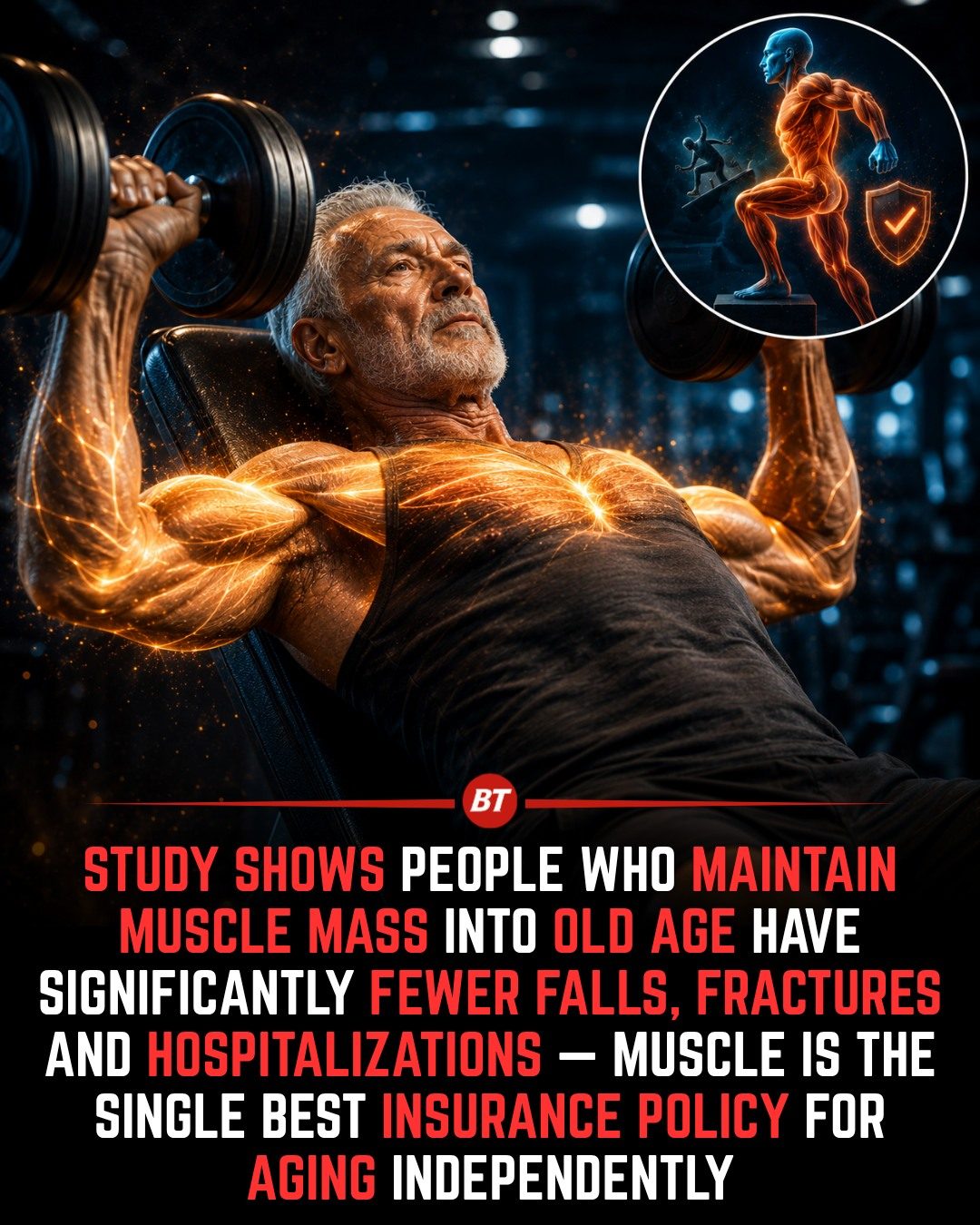
Fitness and Aging
Maintaining muscle mass as we age is crucial for staying independent and healthy. Beginning around age 30, adults naturally lose 3–8% of their muscle mass per decade, and this rate accelerates after age 60. This condition, known as sarcopenia, leads to a decline in strength, balance, mobility, and the ability to recover from illness or injury. However, maintaining muscle mass can significantly reduce falls, fractures, hospitalizations, and physical disabilities, making it one of the strongest predictors of healthy aging and longevity.
Research consistently shows that older adults who maintain greater muscle mass and strength experience fewer health issues. This is because muscles play a vital role beyond just movement. They stabilize joints, protect bones, improve balance, and help regulate blood sugar, reducing the risk of type 2 diabetes. Strength training also stimulates bone remodeling, helping maintain stronger bones as you age.
Why This Matters
The impact of muscle loss goes beyond physical limitations. It affects overall health and quality of life. Muscles are essential for mobility, which is critical for maintaining independence. The ability to perform daily activities, such as walking, climbing stairs, and carrying groceries, becomes challenging without sufficient muscle mass. This can lead to a cycle of inactivity and further muscle loss, creating a significant barrier to a healthy, independent life.
Moreover, muscle mass is closely linked to metabolic health. Muscles act as the body's largest glucose disposal organ, helping to regulate blood sugar levels. This is particularly important for managing conditions like type 2 diabetes, which becomes more prevalent with age.
Maintaining Muscle Mass
The Role of Resistance Training
Resistance training, such as lifting dumbbells or using resistance bands, is a cornerstone of maintaining muscle mass. Progressive resistance training, where you gradually increase the weight or resistance, is particularly effective. This type of training stimulates muscle growth and strength, even in older adults. It's never too late to start; research shows that individuals can build muscle well into their 70s, 80s, and even 90s with consistent resistance training.
Protein Intake
Adequate protein intake is essential for muscle maintenance and growth. Protein provides the building blocks necessary for muscle repair and development. As we age, our bodies become less efficient at utilizing protein, making it even more critical to consume enough. Aim for a source of protein with every meal to support muscle health.
Regular Strength Training
Consistency is key when it comes to strength training. Aim for 2–3 strength-training sessions each week. These sessions should focus on compound movements that target multiple muscle groups, such as squats, lunges, and push-ups. Incorporating a variety of exercises will ensure that all major muscle groups are engaged, promoting overall muscle health and balance.
Challenging Your Muscles
To continue building and maintaining muscle, it's important to challenge your muscles regularly. This means progressively increasing the weight, resistance, or intensity of your workouts over time. Your muscles adapt to the demands placed on them, so consistent challenges help prevent muscle loss and promote growth.
Practical Tips
Incorporate Dumbbells into Your Routine
Dumbbells are a versatile and effective tool for resistance training. They allow for a wide range of movements and can be easily adjusted to increase or decrease the resistance. Incorporating dumbbell exercises into your routine can help target specific muscle groups and improve overall strength.
Focus on Compound Movements
Compound movements, such as squats, deadlifts, and bench presses, are essential for building muscle mass. These exercises engage multiple muscle groups simultaneously, providing a more efficient and effective workout. Prioritize compound movements in your strength training routine for optimal muscle development.
Prioritize Protein
Make protein a priority in your diet. Include a source of protein with every meal to support muscle maintenance and growth. Good protein sources include lean meats, fish, eggs, dairy, beans, and legumes. Consider supplementing with protein shakes or bars if you struggle to meet your protein needs through diet alone.
Stay Active
Regular physical activity, beyond strength training, is crucial for maintaining muscle mass. Incorporate a mix of cardiovascular exercise, flexibility training, and balance exercises into your routine. This will help improve overall fitness, reduce the risk of falls, and promote healthy aging.
Important Takeaways
Maintaining muscle mass is one of the most effective ways to protect your independence and health as you age. Progressive resistance training and adequate protein intake are key to building and maintaining muscle, even in older adults. Incorporating dumbbell exercises, focusing on compound movements, and challenging your muscles regularly will promote muscle health and longevity.
Conclusion
Muscle mass is a critical component of healthy aging. By prioritizing strength training and adequate protein intake, you can significantly reduce the risk of falls, fractures, and hospitalizations. Embrace a proactive approach to muscle maintenance, and you'll be well on your way to enjoying a strong, independent, and healthy life as you age.
Watch the Reel
Questions readers ask
At what age should adults start worrying about muscle loss?
Adults begin to experience natural muscle loss around the age of 30, at a rate of 3–8% per decade. After age 60, this rate accelerates, making it crucial to start focusing on muscle maintenance and strength training in middle age.
What is sarcopenia and how does it affect aging?
Sarcopenia is the age-related loss of muscle mass and strength. It can lead to a decline in mobility, balance, and the ability to recover from illness or injury, making it one of the key challenges of aging. Staying physically active and doing strength training can help prevent or mitigate sarcopenia.
How does maintaining muscle mass help prevent falls and fractures?
Muscles play a crucial role in balance and stability. Stronger muscles can help prevent falls. Additionally, they protect bones and joints, reducing the risk of fractures and injuries from falls, which is particularly important for older adults.
What types of exercises are best for maintaining muscle mass in older adults?
For older adults, strength and resistance training are the most effective for maintaining and building muscle mass. These exercises can include bodyweight exercises, weightlifting, or resistance band workouts. Balance and stability exercises, such as tai chi or yoga, are also beneficial.
How does muscle mass contribute to longevity?
Maintaining greater muscle mass is linked to a lower risk of age-related health issues, better recovery from illness or injury, and enhanced overall health. This makes muscle mass a strong predictor of healthy aging and longevity. Strength and mobility are key factors in maintaining a high quality of life as we age.
How often should older adults engage in strength training?
Older adults should aim for at least two days of strength training per week, targeting all major muscle groups. Consistency is key, as it helps to maintain and even build muscle mass. Incorporating a variety of exercises will ensure comprehensive muscle development.
Related deep dives
Similar reads based on topic and creator.


Recent articles
Fresh deep dives from the latest Reels we unpacked.




Comments
Be the first to comment.