Magnesium Benefits of Pumpkin Seeds
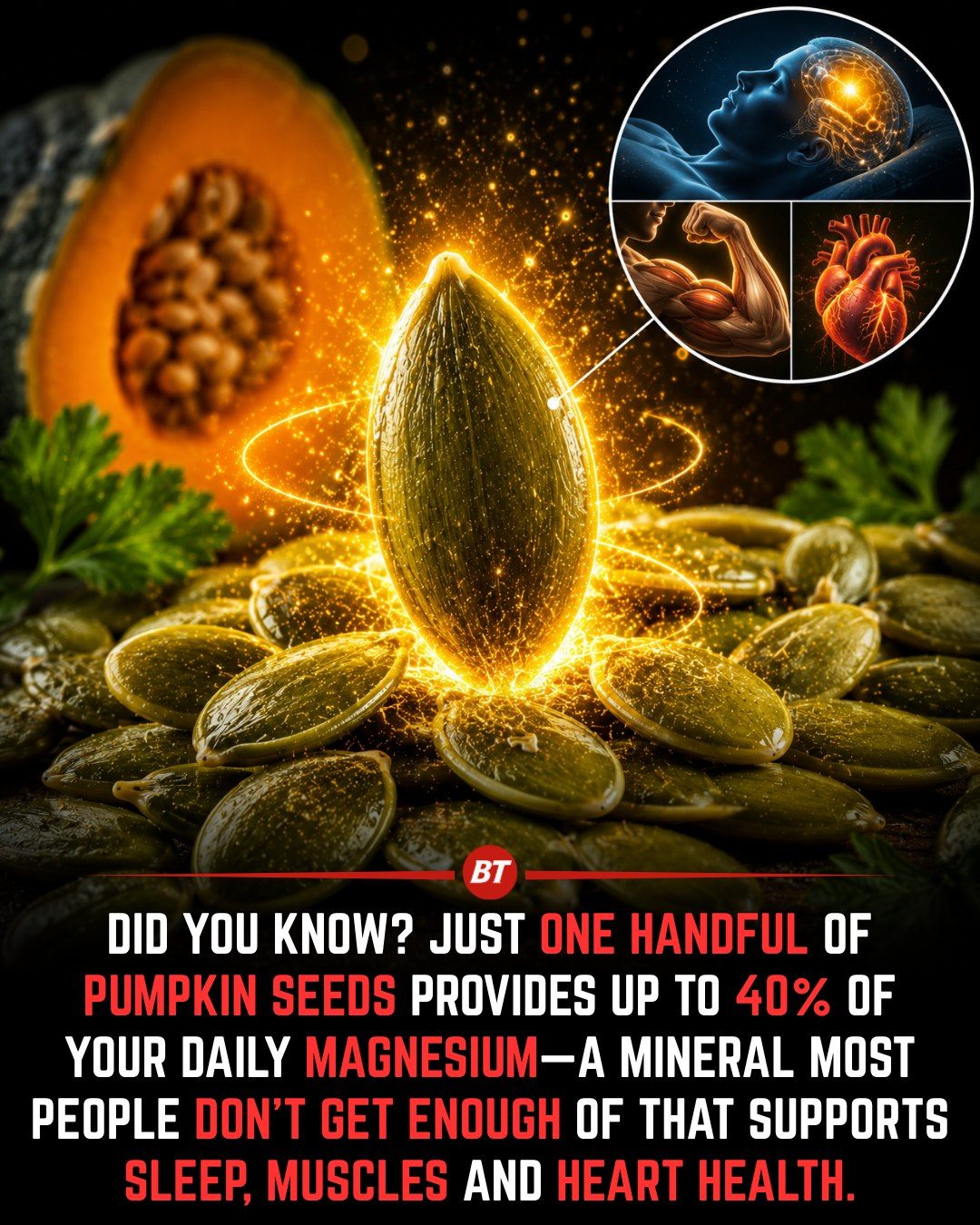
Pumpkin seeds are a powerhouse of nutrients, and one of their standout benefits is their high magnesium content. Just one handful of these seeds can provide up to 40% of your daily magnesium needs, making them an excellent choice for those looking to boost their magnesium intake.
Why This Matters
Magnesium is a crucial mineral involved in over 300 biochemical reactions in the body. It plays a vital role in muscle and nerve function, blood glucose control, and blood pressure regulation. Despite its importance, studies show that many adults do not consume enough magnesium, making it one of the most commonly underconsumed minerals.
The Role of Magnesium in the Body
Magnesium is essential for various bodily functions, including:
-
Muscle and Nerve Function: Magnesium helps muscles contract and relax, which is crucial for proper muscle function. It also supports healthy nerve signaling, which is necessary for communication between the brain and the body.
-
Heart Health: Magnesium regulates heart rhythm and helps maintain normal blood pressure. Adequate magnesium intake can reduce the risk of heart disease and stroke.
-
Sleep Quality: Research has linked magnesium with better sleep quality. Magnesium helps regulate neurotransmitters involved in relaxation and supports normal melatonin function, the hormone that regulates sleep-wake cycles.
-
Energy Production: Magnesium plays a key role in converting the food you eat into energy. It is involved in the production of ATP, the body's primary energy currency.
A Closer Look at Pumpkin Seeds
Pumpkin seeds are not only rich in magnesium but also offer a host of other health benefits. They are a great source of:
- Zinc: Essential for immune function, wound healing, and DNA synthesis.
- Iron: Vital for the production of red blood cells and the prevention of anemia.
- Unsaturated Fats: These healthy fats support heart health and help lower bad cholesterol levels.
- Plant Protein: Pumpkin seeds are a good source of plant-based protein, making them an excellent choice for vegetarians and vegans.
- Antioxidants: Pumpkin seeds contain antioxidants that help protect the body from damage by harmful molecules called free radicals.
Nutritional Profile
A single ounce (about a handful) of pumpkin seeds provides approximately 35-40% of the daily recommended intake of magnesium for adults. In addition to magnesium, a handful of pumpkin seeds offers:
- 5 grams of protein
- 1.7 grams of fiber
- 1.7 grams of saturated fat
- 2.5 grams of monounsaturated fat
- 5.5 grams of polyunsaturated fat
Comparison with Other Magnesium-Rich Foods
While pumpkin seeds are an excellent source of magnesium, other foods also provide significant amounts of this mineral. Some notable examples include:
- Spinach: One cup of cooked spinach provides about 157 mg of magnesium, or 39% of the daily recommended intake.
- Almonds: One ounce of almonds provides about 80 mg of magnesium, or 20% of the daily recommended intake.
- Avocado: One medium avocado provides about 58 mg of magnesium, or 15% of the daily recommended intake.
Practical Tips for Incorporating Pumpkin Seeds into Your Diet
Pumpkin seeds are incredibly versatile and can be incorporated into various dishes. Here are some practical tips for enjoying them:
- Snacking: Roast pumpkin seeds with a bit of salt or your favorite seasonings for a satisfying snack. You can enjoy them raw, too. A single handful per day can significantly boost your magnesium intake.
- Salads and Soups: Sprinkle roasted pumpkin seeds over salads, soups, or stews for added crunch and nutrients.
- Oatmeal and Yogurt: Add a spoonful of pumpkin seeds to your morning oatmeal or yogurt for a nutrient-rich breakfast.
- Baking: Incorporate pumpkin seeds into your favorite baking recipes, such as muffins, bread, or energy bars.
Important Takeaways
Pumpkin seeds are an excellent source of magnesium, a mineral that plays a crucial role in various bodily functions. Incorporating just a handful of pumpkin seeds into your daily diet can help ensure you get the recommended daily intake of magnesium, which is essential for muscle and nerve function, heart health, sleep quality, and energy production.
By adding pumpkin seeds to your diet, you can also benefit from their rich content of other essential nutrients, including zinc, iron, and antioxidants. Whether you enjoy them as a snack, incorporate them into your meals, or use them in baking, pumpkin seeds are a delicious and nutritious addition to your diet.
Conclusion
In summary, pumpkin seeds are a nutrient-dense food that offers a wide range of health benefits, particularly due to their high magnesium content. By incorporating pumpkin seeds into your daily meals, you can boost your magnesium intake, support various bodily functions, and enhance your overall well-being.
Watch the Reel
Questions readers ask
What are the benefits of eating a handful of pumpkin seeds daily?
A handful of pumpkin seeds daily can help you meet up to 40% of your daily magnesium needs. This boost in magnesium can support better sleep, improve muscle function, and promote heart health, making it a beneficial addition to your diet.
How do pumpkin seeds help improve sleep?
Magnesium in pumpkin seeds aids in muscle relaxation and supports the production of melatonin, a hormone that regulates sleep. Consuming pumpkin seeds can help you fall asleep faster and stay asleep longer, improving overall sleep quality.
Which nutrients are found in pumpkin seeds?
Pumpkin seeds are packed with a variety of nutrients, but they are particularly rich in magnesium. Great for muscle function, heart health, and sleep, magnesium is just one of the key nutrients found in pumpkin seeds, along with other minerals and healthy fats.
How do pumpkin seeds support muscle function?
Magnesium, found in abundance in pumpkin seeds, is crucial for muscle contraction and relaxation. It aids in the proper functioning of nerves and muscles, helping to prevent cramps and spasms, and ensuring that your muscles work and recover efficiently.
Why are pumpkin seeds good for heart health?
Pumpkin seeds are high in magnesium, which plays a vital role in regulating blood pressure and supporting heart health. The magnesium in these seeds helps maintain heart rhythm and promotes healthy blood flow, reducing the risk of heart disease and stroke.
How much magnesium is in a handful of pumpkin seeds?
A single handful of pumpkin seeds, roughly 1 ounce or 28 grams, contains approximately 150 milligrams of magnesium, which is 40% of your daily magnesium needs. This makes pumpkin seeds a convenient and tasty way to boost your magnesium intake.
Related deep dives
Similar reads based on topic and creator.




Recent articles
Fresh deep dives from the latest Reels we unpacked.




Comments
Be the first to comment.