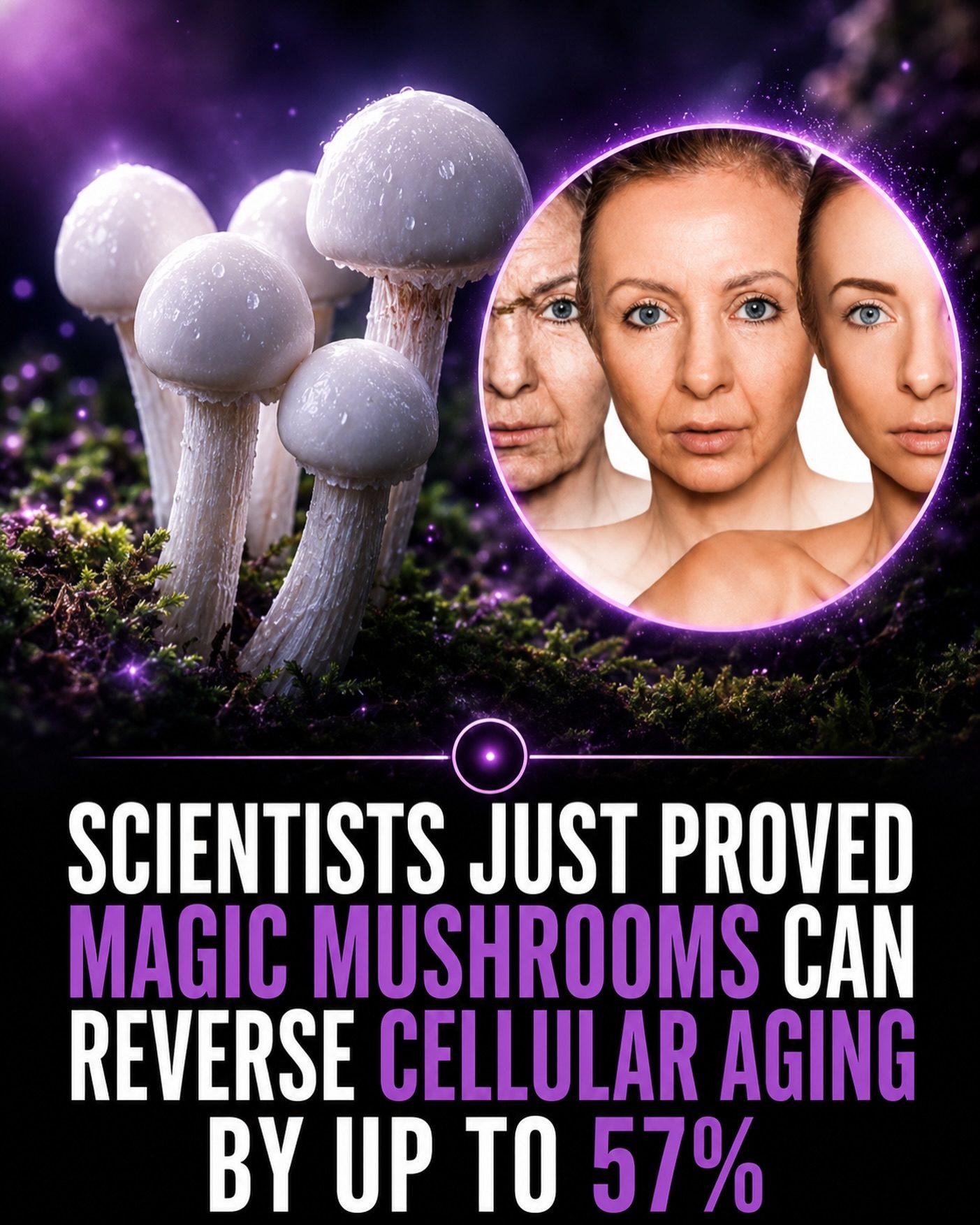
Magic Mushrooms and Aging: New Insights into Cellular Health
Recently, researchers have discovered something intriguing about psilocybin, the compound found in magic mushrooms: it may hold the key to slowing down cellular aging. This revelation stems from a study on aging cells that found psilocybin can extend cellular lifespan and reverse markers of cellular aging by up to 57%.
Context: The Promise of Psilocybin
Psilocybin is a compound found in certain species of mushrooms, commonly known as "magic mushrooms." It has long been studied for its potential psychological and therapeutic benefits. However, recent research has shifted focus to its potential impact on cellular health and aging.
The concept of using natural compounds to influence aging is not new. However, the specific claims about psilocybin's ability to reverse cellular aging by reducing oxidative stress and preserving telomere length are novel and promising.
The Science Behind Psilocybin and Cellular Aging
Understanding Oxidative Stress
Oxidative stress occurs when there is an imbalance between the production of reactive oxygen species (ROS) and the body's ability to detoxify these reactive intermediates or repair the resulting damage. This imbalance can lead to cellular damage and is a key factor in the aging process.
Psilocybin appears to mitigate oxidative stress, thereby protecting cells from damage. This protective effect is crucial because it helps maintain cellular integrity and function, which are essential for overall health and longevity.
Telomere Length and Cellular Aging
Telomeres are protective caps at the ends of chromosomes that shorten with each cell division. As telomeres shorten, cells become less capable of replicating, leading to cellular senescence and, eventually, cell death. Maintaining telomere length is, therefore, critical for cellular health and longevity.
Researchers have found that psilocybin can help preserve telomere length, effectively slowing down the aging process at the cellular level. This discovery is significant because it suggests that psilocybin may have the potential to extend cellular lifespan and delay the onset of age-related diseases.
How Psilocybin Works
Psilocybin’s mechanism of action in reversing cellular aging is still being studied, but initial findings suggest that it works by reducing oxidative stress and preserving telomere length. By mitigating oxidative stress, psilocybin helps protect cells from damage, while preserving telomere length allows cells to continue replicating and functioning normally.
Scientists believe that psilocybin's ability to reduce oxidative stress and preserve telomere length makes it a promising compound for anti-aging research. However, more studies are needed to fully understand its mechanisms and potential applications.
Practical Tips for Incorporating Psilocybin into Anti-Aging Regimens
While the research on psilocybin and aging is promising, it is essential to approach this topic with caution. Psilocybin is a powerful compound with potential risks and benefits. Here are some practical tips for those interested in exploring its anti-aging potential:
Consult with a Healthcare Provider
Before incorporating psilocybin into your health regimen, consult with a healthcare provider who is knowledgeable about psilocybin and its potential effects. It is crucial to ensure that psilocybin is safe and appropriate for your individual health needs.
Start with Low Doses
If you decide to explore psilocybin, start with low doses to assess your body's response. Psilocybin can have powerful effects, and it is essential to approach it with caution. Monitor your body's reaction and adjust the dosage as needed under the guidance of a healthcare provider.
Consider Legal and Ethical Implications
Psilocybin is a Schedule I drug in many places, meaning it is illegal to possess or use without a valid prescription. It is essential to understand the legal and ethical implications of using psilocybin and to ensure that you are complying with all relevant laws and regulations.
Research and Stay Informed
Stay informed about the latest research on psilocybin and aging. The field is rapidly evolving, and new findings are emerging regularly. By staying informed, you can make more informed decisions about your health and well-being.
Important Takeaways
The discovery that psilocybin can reverse cellular aging by up to 57% is a significant breakthrough in anti-aging research. This finding opens up new avenues for exploring the potential benefits of psilocybin for cellular health and longevity. However, it is essential to approach this topic with caution and to consult with a healthcare provider before incorporating psilocybin into your health regimen.
Conclusion
Psilocybin, the compound found in magic mushrooms, has shown promising potential in reversing cellular aging. By reducing oxidative stress and preserving telomere length, psilocybin may help slow down the aging process at the cellular level. While more research is needed to fully understand its mechanisms and potential applications, this discovery is a significant step forward in the field of anti-aging research.
Watch the Reel
Questions readers ask
What is psilocybin and where is it found?
Psilocybin is a naturally occurring compound found in specific types of mushrooms, often referred to as 'magic mushrooms.' It is the active ingredient responsible for the hallucinogenic effects experienced when these mushrooms are consumed, but recent research is uncovering additional health benefits. The most common species containing psilocybin include Psilocybe cubensis and Psilocybe mexicana.
How does psilocybin potentially slow down cellular aging?
Psilocybin has shown promise in reducing oxidative stress, which is a key factor in cellular aging. By mitigating this stress, psilocybin helps preserve telomere length—a crucial component of chromosomes that shortens as cells age. A study showed that psilocybin increased cellular lifespan and reversed markers of aging by up to 57%.
What are telomeres and why are they important for longevity?
Telomeres are protective caps at the ends of chromosomes that shorten each time a cell divides. Their length is directly linked to cellular aging and overall health. Longer telomeres are associated with increased longevity, while shorter telomeres indicate accelerated aging. Psilocybin has been found to preserve telomere length, which may contribute to a longer, healthier lifespan.
Can psilocybin reverse the markers of aging?
Research indicates that psilocybin may reverse certain markers of aging, potentially extending cellular lifespan. A study demonstrated that psilocybin could reverse these markers by up to 57%, suggesting a novel approach to enhancing cellular health and longevity. This reversal is thought to be related to psilocybin's ability to reduce oxidative stress and preserve telomere length.
What are the potential benefits of psilocybin for overall health?
Beyond its potential anti-aging effects, psilocybin has been studied for its various health benefits. It may offer therapeutic benefits for mental health conditions such as depression, anxiety, and PTSD. Additionally, its ability to reduce oxidative stress and preserve telomere length suggests it could have a positive impact on various age-related diseases and overall cellular health.
Are there any known side effects or risks associated with psilocybin?
Psilocybin can have significant psychological effects, including altered perceptions, hallucinations, and changes in mood. These effects can be unpredictable and may lead to anxiety or disorientation. Physical side effects can include nausea, increased heart rate, and increased blood pressure. It is crucial to approach psilocybin with caution and under professional guidance, as improper use can pose risks.
Related deep dives
Similar reads based on topic and creator.

Recent articles
Fresh deep dives from the latest Reels we unpacked.




Comments
Be the first to comment.