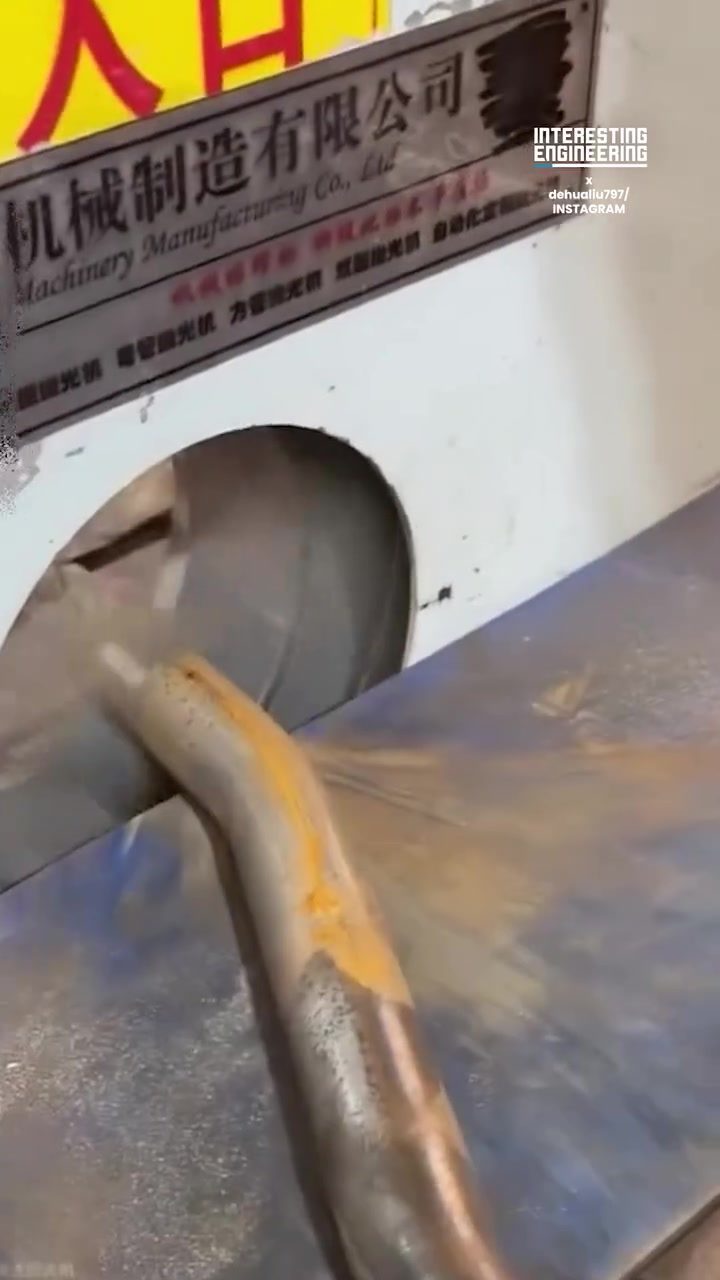
Machining: How Industrial Machinery Polishes Metal to a Mirror Finish
Industrial machinery plays a pivotal role in manufacturing, especially when it comes to surface finishing processes like polishing. A high-quality polish can transform the appearance and functionality of metal components, making them look brand new. This process involves removing surface imperfections, such as rust or scratches, to create a smooth and reflective surface.
Context / Why this matters
Metals used in various industries often require polishing to meet specific aesthetic and functional standards. Polishing not only enhances the visual appeal but also improves the performance of metal components by reducing friction and preventing corrosion. The polishing process is widely used in industries like automotive manufacturing, aerospace, and construction.
Main discussion
Understanding the Polishing Process
The polishing process involves several steps, each designed to refine the metal surface progressively. Initially, the metal surface is cleaned to remove any dirt, grease, or other contaminants. This step is crucial as it ensures that the polishing process can effectively target the surface imperfections without interference from external particles.
Next, the metal is subjected to a series of abrasive materials, typically in the form of belts or wheels. These abrasives remove the top layer of the metal, which includes any rust, scratches, or other blemishes. The abrasives used can vary in grit size, with coarser grits used for initial removal and finer grits for the final polishing stage.
Machining with Precision
Machining is the process of removing material from a workpiece using a variety of cutting tools and techniques. Polishing machinery, such as polishers and grinders, uses rotating components to remove material and create a smooth surface. These machines use high-speed rotation to achieve precision and consistency in the polishing process.
The machinery showcased by Machinery Manufacturing Co., Ltd. exemplifies this process. The spinning piece of metal acts as the cutting tool, effectively peeling off rust and other impurities. This fine machining process ensures that the metal surface is polished to a mirror finish, enhancing its durability and aesthetic appeal.
The Role of Industrial Equipment
Industrial equipment like polishers and grinders are essential for achieving a high-quality finish on metal surfaces. These machines are designed to handle various types of metal, including steel, aluminum, and stainless steel. They come in different sizes and configurations to meet specific industry requirements.
Machinery Manufacturing Co., Ltd. specializes in producing high-quality industrial machinery designed to meet the diverse needs of the manufacturing sector. Their equipment is known for its durability, efficiency, and precision, making them a popular choice among manufacturers.
Practical tips
Choosing the Right Polishing Equipment
Selecting the right polishing equipment is crucial for achieving the desired finish on metal surfaces. Here are some tips to help you choose the right equipment:
- Consider the Material: Different metals require different polishing techniques and equipment. Ensure that the machine you choose is suitable for the type of metal you are working with.
- Determine the Desired Finish: The finish you want will affect the type of polishing equipment you need. For a mirror finish, a finer grit abrasive and high-speed rotation may be necessary.
- Assess the Workpiece Size: The size and shape of the workpiece will also influence your choice of equipment. Some machines are designed for small, intricate parts, while others can handle larger, heavier components.
- Evaluate Production Volume: Consider the volume of production when selecting polishing equipment. High-volume operations may require more robust and efficient machinery.
Maintenance and Care
Proper maintenance and care of your polishing equipment are essential for ensuring its longevity and performance. Regular cleaning and inspection can help prevent wear and tear, while timely replacement of worn parts can maintain the machine's efficiency.
- Regular Cleaning: Clean the machine after each use to remove any metal shavings, dirt, or grease. This will prevent buildup and ensure that the machine operates smoothly.
- Inspection and Lubrication: Regularly inspect the machine for any signs of wear or damage. Lubricate moving parts as recommended by the manufacturer to reduce friction and prolong the machine's life.
- Timely Repairs: Address any issues promptly. Neglecting minor problems can lead to more significant issues and costly repairs down the line.
Important takeaways
Polishing machinery is a critical component in the manufacturing process, enabling the creation of smooth, durable, and aesthetically pleasing metal surfaces. The fine machining process, as demonstrated by Machinery Manufacturing Co., Ltd., highlights the precision and efficiency of modern industrial equipment. Understanding the polishing process and choosing the right equipment can significantly enhance the quality and performance of your machinery.
Conclusion
The industrial machinery used for polishing plays a vital role in the manufacturing sector. Whether it's enhancing the visual appeal of metal components or improving their functional performance, the polishing process is indispensable. By understanding the process and choosing the right equipment, manufacturers can achieve superior results and maintain high standards of quality and efficiency.
Watch the Reel
Questions readers ask
What are the key benefits of using industrial metal polishing machines?
Industrial metal polishing machines offer numerous benefits, including the ability to achieve a high-level mirror finish, enhanced durability, improved corrosion resistance, and reduced friction between metal surfaces. These advantages are crucial for industries such as automotive, aerospace and construction.
What are the most common techniques used in the industrial metal polishing process?
In the industrial metal polishing process, several techniques are commonly used, such as belt polishing, vibratory finishing, and buffing. Each technique utilizes different types of abrasives and polishing compounds to remove imperfections and achieve the desired surface finish.
What types of equipment are typically used in industrial metal polishing?
Industrial metal polishing often involves the use of specialized equipment, including polishing machines, abrasive belts, polishing wheels, and compounds like zinc oxide or chromium oxide. These tools help in achieving a smooth, reflective surface on metal components.
How does polishing metal surfaces benefit the automotive industry?
In the automotive industry, polishing metal surfaces is essential for improving the aesthetics and performance of vehicle components. Polishing reduces friction, enhances corrosion resistance, and ensures that parts like engine components, gears, and chassis meet the required functional and visual standards.
What role does metal polishing play in the aerospace industry?
In aerospace, metal polishing is vital for maintaining the integrity and reliability of components. A polished surface reduces the risk of fatigue and corrosion, which are critical factors in the safety and longevity of aircraft parts. Additionally, polishing helps meet the stringent visual standards required in this industry.
What are the key steps involved in machining metal to a perfect polish?
Machining metal to a perfect polish typically involves several key steps: initial grinding to remove any significant defects, followed by progressive polishing with finer abrasives, and finally, buffing to achieve a mirror-like finish. Each step is meticulously performed to ensure a flawless surface.
What are the different industries that rely on industrial metal polishing?
Industries such as automotive, aerospace, and construction heavily rely on industrial metal polishing. Each of these sectors has specific requirements for metal surface finishes to ensure both aesthetic appeal and functional performance, making precision polishing an essential process.
Related deep dives
Similar reads based on topic and creator.

Recent articles
Fresh deep dives from the latest Reels we unpacked.




Comments
Be the first to comment.