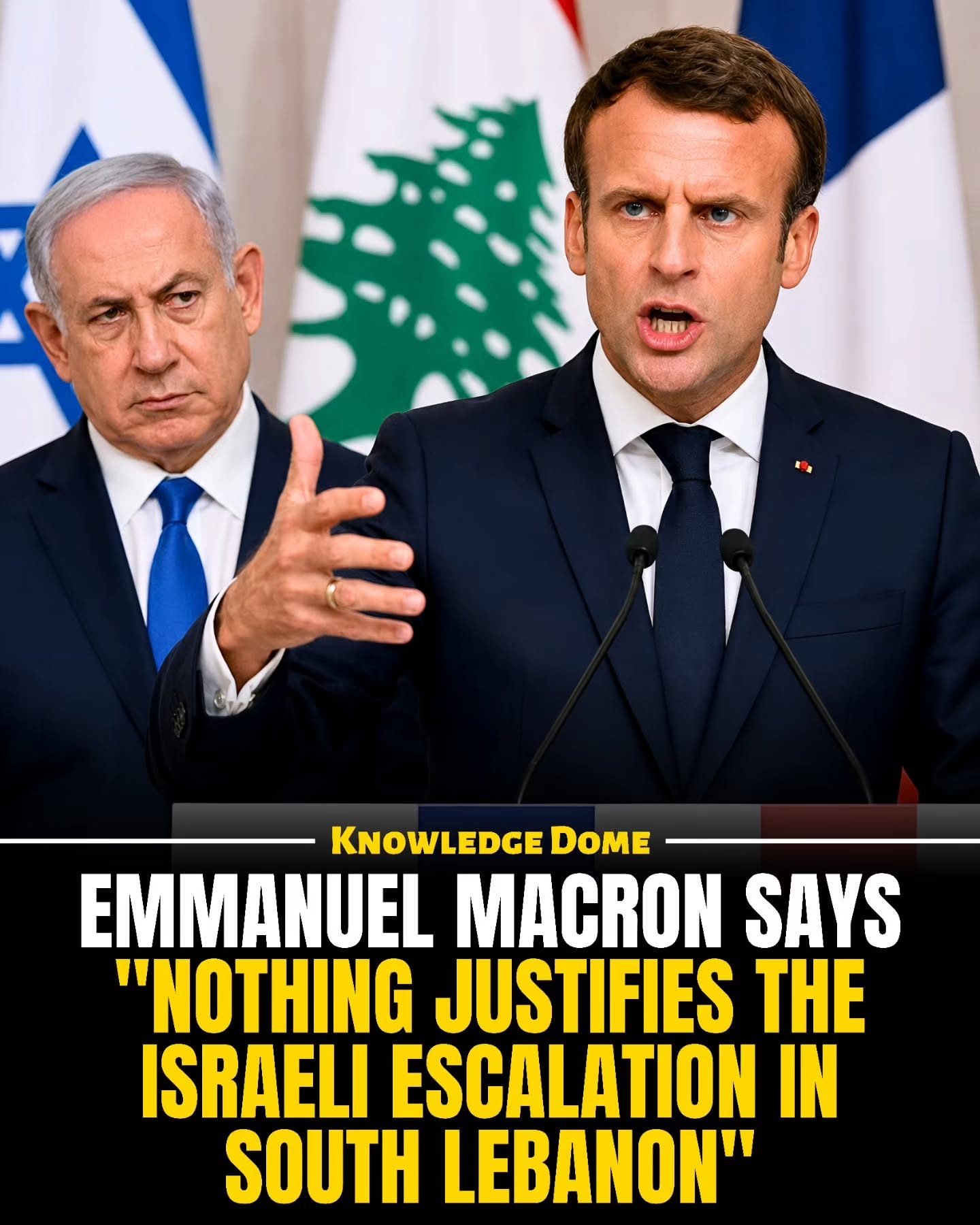
South Lebanon's Escalating Tensions
The increasing violence and rising tensions in South Lebanon have drawn international concern, particularly after French President Emmanuel Macron's call for an immediate ceasefire. The situation along the border between Lebanon and Israel has become a pressing issue, not just for the countries directly involved, but for the broader region.
Why This Matters
Macron's statement underscores the gravity of the situation. The conflict is seen as more than a local border dispute; it could impact Lebanon, Israel, and neighboring countries. The escalation has sparked international discussions and diplomatic efforts, with France taking a leading role in calls for peace.
The Current State of Affairs
The Situation Along the Border
The recent escalation in South Lebanon involves heavy fighting and rising tension, prompting international leaders, including Macron and others from the Middle East, to address the situation. Macron’s statement comes in the wake of the violence, with the region on high alert.
Macron, in his remarks, expressed unequivocal support for a ceasefire, emphasizing that peace is the ultimate need for the region, not more war. His message was directed at all parties involved, urging them to cease hostilities and move towards dialogue and diplomacy.
International Involvement
France has been actively supporting Lebanon and advocating for the country’s government to maintain control over its territory. Macron has engaged in diplomatic discussions with leaders from Saudi Arabia, the United Arab Emirates, Egypt, and Oman, highlighting the broader regional implications of the conflict. The situation is so delicate that France has even called on the United Nations Security Council to convene an emergency meeting to address the crisis.
Practical Tips for Understanding the Conflict
To grasp the complexity of the situation, it's essential to consider several key points:
-
Understand the Historical Context
The Lebanese-Israeli border has a long history of conflict, with disputes and skirmishes occurring over decades. This historical backdrop provides essential context for understanding the current escalation.
-
Follow International Responses
Pay attention to statements and actions by international bodies and leaders. Macron’s call for peace and the support from other Middle Eastern leaders indicate the importance of diplomatic efforts in resolving the conflict.
-
Stay Updated on Diplomatic Efforts
The involvement of leaders from various countries and the United Nations Security Council shows the international community's effort to address the issue. Keeping tabs on these diplomatic initiatives can provide insights into potential resolutions.
-
Look at the Region as a Whole
The conflict is not isolated to Lebanon and Israel. Its impact can ripple through neighboring countries, making it a broader regional issue. Understanding this interconnectedness is crucial for a comprehensive view of the situation.
Important Takeaways
Macron’s statement highlights several critical points:
-
Immediate Ceasefire: The call for an immediate halt to hostilities underscores the urgency of the situation. Both Lebanon and Israel need to stop fighting to prevent further escalation.
-
Regional Implications: The conflict is not just a local issue but a broader regional concern. The actions and decisions made now could have far-reaching consequences for the entire Middle East.
-
Diplomatic Support: International support, particularly from France and other Middle Eastern leaders, is essential in resolving the conflict. Diplomatic efforts and peace talks are crucial steps in achieving a lasting solution.
Conclusion
As the situation in South Lebanon continues to escalate, it is clear that the international community is keenly aware of the potential for broader regional conflict. Macron's call for peace, along with diplomatic efforts from multiple countries, shows a concerted effort to de-escalate the tensions. The coming days and weeks will be critical in determining the path forward for Lebanon, Israel, and the broader region. As the situation unfolds, it is essential to stay informed and support efforts towards peace and stability.
Watch the Reel
Questions readers ask
Why did Emmanuel Macron call for a ceasefire in South Lebanon?
Emmanuel Macron called for a ceasefire in South Lebanon due to the rising tensions and violence along the Lebanese-Israeli border. He recognizes the potential for broader regional implications and is encouraging diplomacy to mitigate further escalation.
What role is France playing in the South Lebanon conflict?
France, under President Macron, is actively involved in diplomatic efforts to secure a ceasefire. The country is playing a key role in international discussions aimed at promoting peace and stability in the region.
What are the potential impacts of the South Lebanon tensions on neighboring countries?
The escalating tensions in South Lebanon could have significant impacts on neighboring countries, including Lebanon, Israel, and other nations in the Middle East. The conflict has the potential to disrupt regional stability and draw in other actors.
What is the significance of the Lebanese-Israeli border in the current conflict?
The Lebanese-Israeli border is the epicenter of the current conflict, with rising violence and tensions drawing international concern. The situation has broader implications beyond the immediate area, as it involves major regional actors.
How have international actors responded to the South Lebanon violence?
International actors, including France, have responded by calling for an immediate ceasefire and engaging in diplomatic efforts. The global community is closely monitoring the situation, recognizing the potential for wider regional instability.
What steps are being taken to achieve a ceasefire in South Lebanon?
Emmanuel Macron has initiated calls for an immediate ceasefire, and diplomatic efforts are underway to facilitate peace talks. France is leading these efforts, working with other international actors to promote a resolution to the conflict.
What are the broader implications of the South Lebanon conflict?
The conflict in South Lebanon has broader implications for the Middle East, as it could destabilize the region and draw in other countries. The situation is being closely watched by international actors who recognize the potential for wider conflict.
Recent articles
Fresh deep dives from the latest Reels we unpacked.




Comments
Be the first to comment.