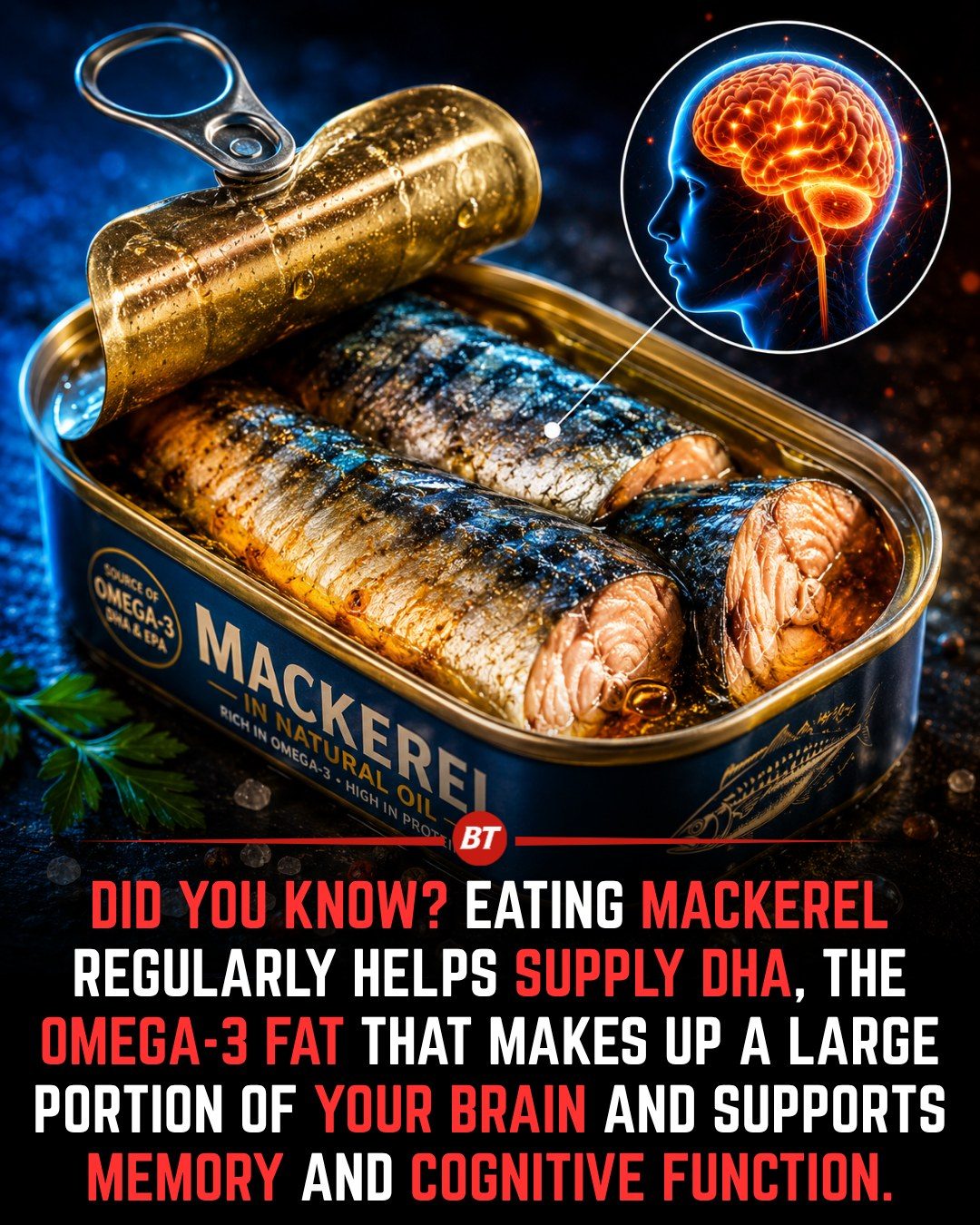
Mackerel: A Powerhouse for Brain Health
Mackerel, a fatty fish, is renowned for its rich nutritional profile, particularly its high content of Omega-3 fatty acids. These fatty acids, specifically DHA (docosahexaenoic acid) and EPA (eicosapentaenoic acid), are essential for brain health and cognitive function.
Why DHA and EPA Matter
Your brain consists of nearly 60% fat by dry weight, with DHA being one of the most critical structural fats. DHA is highly concentrated in the membranes of brain cells, where it helps maintain their flexibility, allowing neurons to communicate efficiently. This communication is vital for memory, learning, and overall cognitive performance.
EPA, on the other hand, plays a crucial role in reducing inflammation and protecting neurons from oxidative stress. Together, DHA and EPA work to support healthy brain aging by maintaining the integrity of cell membranes and reducing the risk of age-related cognitive decline.
Mackerel: A Rich Source of Omega-3s
Mackerel stands out as one of the richest natural sources of DHA and EPA. Regularly consuming mackerel can help supply these essential fatty acids, which your body produces in only small amounts. Nutrition experts recommend obtaining DHA and EPA regularly from foods like mackerel, sardines, salmon, and herring.
The Benefits of Including Mackerel in Your Diet
Research published in respected journals such as Neurology and The American Journal of Clinical Nutrition has linked higher blood levels of DHA with better memory, improved cognitive performance, and a lower risk of age-related cognitive decline. These studies suggest that DHA supports healthy brain aging by helping to reduce inflammation, protecting neurons from oxidative stress, and maintaining the integrity of cell membranes.
Additional Nutritional Benefits
Mackerel is not only a rich source of Omega-3 fatty acids but also provides a host of other essential nutrients. It is high in vitamin D, vitamin B12, selenium, and high-quality protein. These nutrients work together to support both brain and heart health, making mackerel a valuable addition to a balanced diet.
Practical Tips for Including Mackerel in Your Meals
Incorporating mackerel into your diet is easy and delicious. Here are some practical tips:
- Grilling or Baking: Grilled or baked mackerel fillets are a flavorful and healthy option. Season with lemon, herbs, and a drizzle of olive oil for added flavor.
- Smoked Mackerel: Smoked mackerel is a versatile ingredient that can be enjoyed on its own or added to salads, sandwiches, and pasta dishes.
- Canned Mackerel: Canned mackerel is a convenient option for quick meals. It can be used in salads, sandwiches, or as a topping for crackers and toast.
Important Takeaways
When choosing mackerel, opt for Atlantic or Pacific varieties whenever possible. These types are naturally high in omega-3s and generally lower in mercury than larger predatory fish.
Conclusion
Mackerel is a nutritional powerhouse, rich in Omega-3 fatty acids, vitamins, and minerals. Regularly including mackerel in your diet can support brain health, improve cognitive function, and contribute to overall well-being. Whether grilled, baked, smoked, or canned, mackerel offers a delicious and nutritious option for a balanced diet.
Watch the Reel
Questions readers ask
How does mackerel support cognitive health?
Mackerel supports cognitive health primarily through its high content of Omega-3 fatty acids, specifically DHA and EPA. These fatty acids are essential for maintaining the health of brain cells and reducing inflammation, which can enhance memory, learning, and overall cognitive performance. Regular mackerel consumption can thus provide significant benefits for maintaining healthy brain function and mental acuity.
What are the benefits of DHA in mackerel for the brain?
DHA, or docosahexaenoic acid, is a crucial component of brain cell membranes. It helps maintain the flexibility of these membranes, allowing for efficient communication between neurons. This enhanced communication is vital for memory, learning, and overall cognitive function. Mackerel is an excellent source of DHA, making it a beneficial addition to a diet focused on brain health.
How does mackerel support memory and learning?
The Omega-3 fatty acids, DHA and EPA, found in mackerel play a vital role in enhancing memory and learning. DHA is particularly important as it is a major structural component of the brain, while EPA helps reduce inflammation and protects neurons. Regularly consuming mackerel can thus provide the necessary nutrients to support and improve memory and learning capabilities.
Why is mackerel considered a powerhouse for brain health?
Mackerel is considered a powerhouse for brain health due to its rich nutritional profile, particularly its high content of Omega-3 fatty acids, DHA and EPA. These fatty acids are essential for maintaining the health and flexibility of brain cell membranes, reducing inflammation, and protecting neurons. Regular consumption of mackerel can thus contribute to improved cognitive function and overall brain health.
What are the benefits of consuming a large portion of mackerel?
Consuming a large portion of mackerel can provide a substantial amount of Omega-3 fatty acids, DHA and EPA. This can lead to improved cognitive function, better memory, and enhanced learning capabilities. Additionally, the anti-inflammatory properties of EPA can help protect the brain from oxidative stress, contributing to healthy brain aging and overall better mental health.
What role does EPA play in brain health?
EPA, or eicosapentaenoic acid, is an Omega-3 fatty acid found in mackerel that plays an essential role in reducing inflammation and protecting neurons from oxidative stress. By doing so, it helps maintain the overall health of the brain, supports cognitive function, and contributes to healthy brain aging. Regular consumption of mackerel can thus provide the necessary EPA to support brain health.
How does the nutrition in mackerel contribute to brain health?
The nutrition in mackerel, particularly its high content of Omega-3 fatty acids, DHA and EPA, contributes to brain health in multiple ways. These fatty acids help maintain the structural integrity of brain cells, reduce inflammation, and protect neurons. This leads to improved cognitive function, better memory, and enhanced learning capabilities, making mackerel a beneficial addition to a diet focused on brain health.
Related deep dives
Similar reads based on topic and creator.




Recent articles
Fresh deep dives from the latest Reels we unpacked.




Comments
Be the first to comment.