The Fascination of Potato Chip Production
From the soil to the snack, the journey of a potato transforming into a crispy, delicious chip is an intricate process. Understanding the details of this journey can provide insight into the complexities of food production.
Why This Matters
Potato chips are among the most popular snack foods worldwide, beloved for their crunch, flavor, and convenience. However, their journey from a raw potato to a packaged snack involves several important steps and considerations. Whether you're a food enthusiast, a potential entrepreneur in the snack industry, or simply curious about the origins of your favorite snacks, learning about the production of potato chips offers a fascinating look into industrial food processing.
The Production Process
From Field to Factory
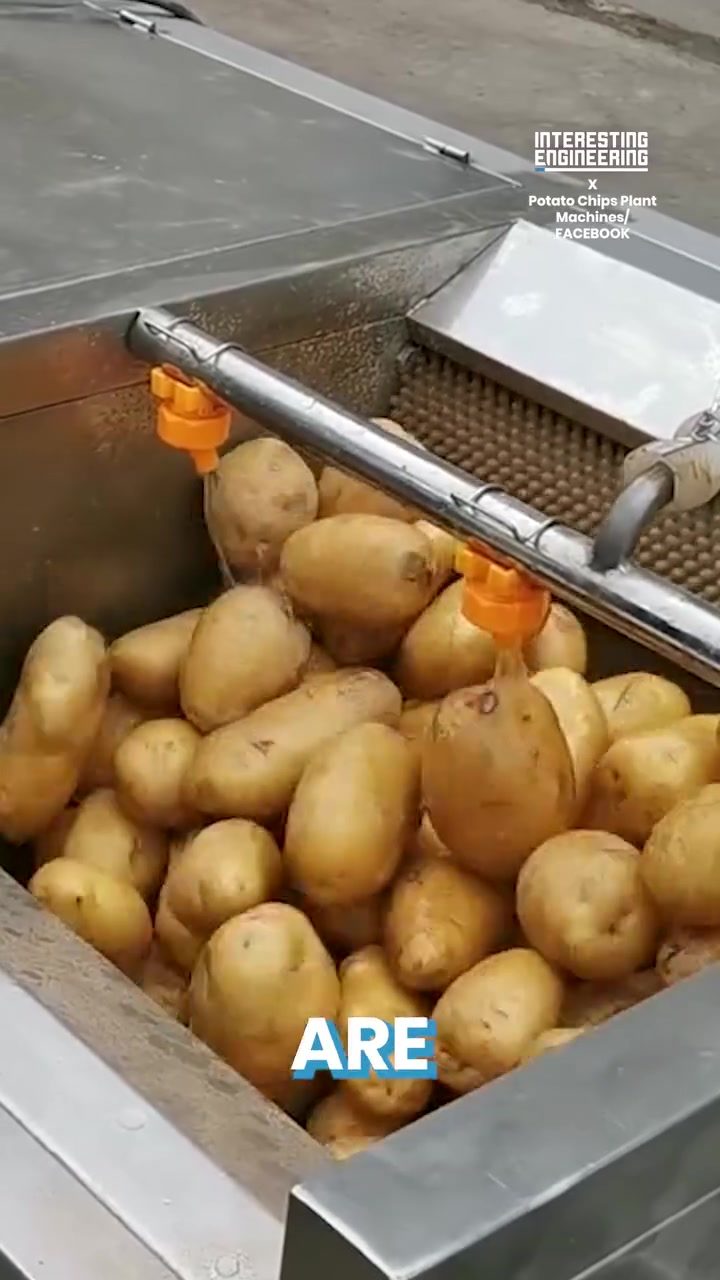
The production of potato chips begins in the fields where potatoes are harvested. Since potatoes grow in soil, they must be thoroughly cleaned to remove any dirt, stones, or contaminants. This initial cleaning is crucial to ensure the final product is safe for consumption and meets quality standards. After cleaning, the potatoes are then cut into thin, uniform slices.
Slicing and Frying
This machine is central to the process of turning raw potatoes into potato chips. The slicing mechanism ensures that the potatoes are cut into thin, even slices, which is essential for consistent cooking and texture. After slicing, the potato slices are fed into a rotating drum where they are fried. This process cooks the chips and gives them their characteristic crunch and flavor.
Finishing Touches
Once the chips are fried, they are seasoned with salt and other flavorings. The seasoning process can vary depending on the type of chips being produced, whether it's classic salted, barbecue, sour cream and onion, or any other flavor. After seasoning, the chips are packaged and prepared for distribution.
Key Machinery and Techniques
Cleaning and Slicing
The cleaning and slicing of potatoes are critical steps in the production process. Modern machinery ensures that these steps are efficient and precise. The potato washing machines use high-pressure water jets and brushes to thoroughly clean the potatoes, removing any dirt or impurities. The slicing machines use sharp blades to cut the potatoes into uniform slices, ensuring consistency in the final product.
Frying and Seasoning
The frying process is where the magic happens. The potato slices are cooked in hot oil, which gives them their crispy texture and golden color. The seasoning process follows the frying, where the chips are coated with various seasonings to enhance their flavor. This step requires precise measurements and techniques to ensure that the seasoning is evenly distributed and adheres well to the chips.
Practical Tips for Potato Chip Production
If you're interested in starting a potato chip business or simply want to understand the process better, here are some practical tips:
Quality Control
Quality control is essential in the production of potato chips. This includes regular checks on the cleanliness of the potatoes, the consistency of the slices, and the evenness of the frying and seasoning. Implementing a robust quality control system can help ensure that the final product meets high standards.
Sustainability
Sustainability is becoming increasingly important in the food industry. Using eco-friendly packaging materials, optimizing energy use in the frying process, and implementing waste reduction strategies can help minimize the environmental impact of potato chip production. Many companies are investing in renewable energy sources and recycling programs to reduce their carbon footprint.
Innovation
Innovation is key to staying competitive in the snack industry. Experimenting with new flavors, textures, and packaging can attract a wider audience. For example, introducing healthier options such as baked potato chips or chips made from sweet potatoes can cater to health-conscious consumers.
Important Takeaways
The production of potato chips is a complex process that involves several critical steps, from cleaning and slicing to frying and seasoning. Understanding these steps can provide valuable insights into the food production industry and the factors that contribute to the quality and taste of potato chips.
Conclusion
From the fields to the factory, the journey of a potato chip is a testament to the ingenuity and innovation of the food industry. Whether you're a food enthusiast or an aspiring entrepreneur, learning about the production process can deepen your appreciation for this beloved snack and inspire new ideas for the future.
Watch the Reel
Questions readers ask
What are the primary steps in the potato chip making process?
The primary steps in making potato chips involve several stages: First, the potatoes are thoroughly cleaned to remove any dirt or impurities. Next, they are sliced into thin, uniform pieces. After that, the slices are fried to achieve the desired crispiness. Finally, the chips are seasoned with various flavors before being packaged for distribution.
What type of machinery is used in potato chip production?
The potato chip production process utilizes specialized machinery for each step. Cleaning machines remove dirt and debris from the potatoes. Slicing machines ensure uniform thickness for even cooking. Fryers cook the potato slices to perfection. Finally, seasoning equipment applies flavors evenly across the chips.
How does the cleaning process prepare potatoes for chip production?
The cleaning process is crucial as it removes any soil, debris, or contaminants from the potatoes. This step ensures that the final product is clean and safe for consumption. Cleaning typically involves washing the potatoes with water and sometimes brushing to remove stubborn dirt.
What are the key factors in achieving the perfect potato chip slice?
Achieving the perfect potato chip slice involves using a slicing machine that ensures uniform thickness and consistency. The slices should be thin enough to cook quickly and evenly, yet thick enough to maintain structural integrity. The quality of the potato and the sharpness of the blade also significantly impact the final product.
How is the frying process controlled to create the ideal potato chip?
The frying process is carefully controlled to ensure the chips are cooked to the right level of crispiness without being overcooked. Factors like oil temperature, frying time, and the type of oil used can significantly affect the final product. The oil must be kept at a consistent temperature to achieve uniform cooking
What are the different methods of seasoning potato chips?
Seasoning potato chips can be done in several ways. The most common method involves spraying or tumbling the chips with a mixture of salt, flavors, and other seasonings. Some manufacturers also use dry seasoning methods, where the seasonings are applied directly to the chips after frying. Flavorings can range from simple salt to complex blends.
Can I make potato chips at home using the same methods as commercial production?
While it is possible to make potato chips at home, replicating the exact methods used in commercial production can be challenging. Home kitchens typically lack industrial-sized equipment, such as high-capacity fryers and automated slicers. Additionally, achieving the same level of consistency and flavor might be difficult without specialized machinery and controlled environments.
Recent articles
Fresh deep dives from the latest Reels we unpacked.




Comments
Be the first to comment.