Lululemon Product Concerns
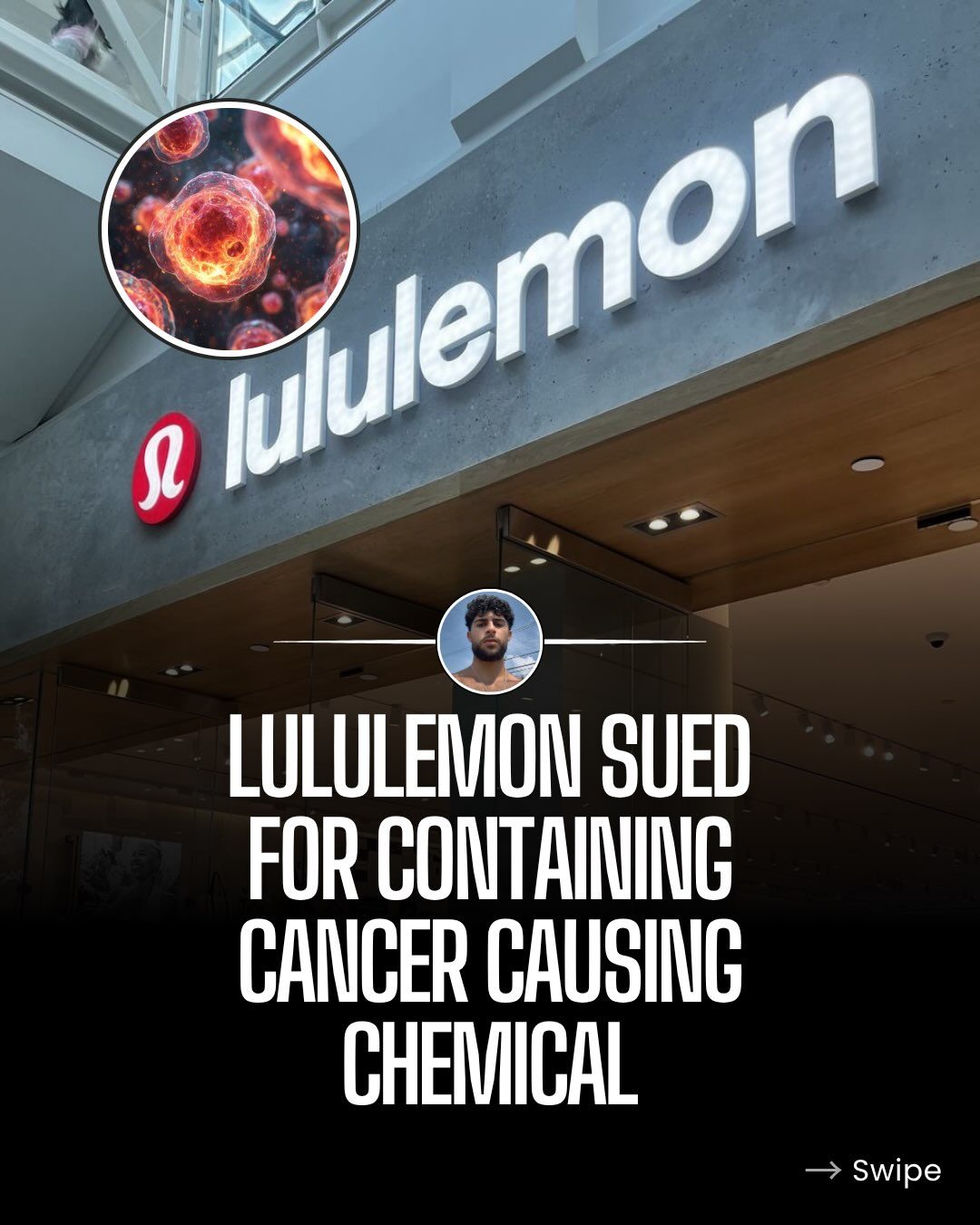
Lululemon, a well-known brand in the fashion industry, has recently faced scrutiny over the safety of some of its products. These concerns primarily revolve around the presence of certain harmful chemicals in their yoga mats and leggings, as well as the environmental impact of their synthetic materials. The recent allegations have raised important questions about the safety and sustainability of popular fitness gear.
Why This Matters
The health and environmental implications of the chemicals and materials used in popular athletic wear are significant. Consumers expect their fitness gear to be safe and supportive of their active lifestyles without causing harm. Understanding the issues surrounding these products can help consumers make more informed choices about what they use during their workouts.
Main Discussion
NDMA in Yoga Mats
One of the most alarming findings involves the presence of N-nitrosodimethylamine (NDMA), a known carcinogen, in some Lululemon yoga mats. Independent testing detected levels of NDMA in these mats that were up to 1,600 times higher than California’s legal daily exposure limit. NDMA is a chemical that has been linked to various forms of cancer, and its presence in yoga mats poses a significant health risk for users.
Legal Settlement and Lack of Recall
In response to these findings, Lululemon faced a lawsuit that resulted in a settlement. The company agreed to pay $140,000 and reformulate the mats to remove the harmful chemical. However, a critical aspect of this settlement was the lack of a recall for the affected mats. Customers who had already purchased these mats were not notified about the potential health risks, leaving many unaware of the danger they might be exposed to during their yoga sessions.
PFAS in Leggings
In addition to the concerns about yoga mats, independent lab testing has also detected per- and polyfluoroalkyl substances (PFAS) in some Lululemon leggings. PFAS are a group of man-made chemicals that have been linked to a range of health issues, including certain cancers, hormone disruption, and fertility concerns. While Lululemon claims to have eliminated intentionally added PFAS by 2024, there has been no concrete evidence to support this claim.
Microplastics from Synthetic Fabrics
The environmental impact of Lululemon products is another area of concern. Most of the brand’s leggings are made from synthetic materials like nylon, polyester, and spandex. These materials are known to shed microplastics over time, which can contribute to environmental pollution and pose risks to marine life. As consumers become more environmentally conscious, the issue of microplastics in athletic wear is gaining attention.
Practical Tips
Given these concerns, consumers may want to take several practical steps to ensure their safety and minimize environmental impact:
- Avoid Older Mats: If you own an older Lululemon yoga mat, consider replacing it with a newer model or a different brand that has been tested for harmful chemicals.
- Choose Natural Materials: Opt for leggings made from natural, breathable fabrics like cotton or bamboo, which are less likely to contain harmful chemicals and shed microplastics.
- Stay Informed: Keep up with the latest news and updates from manufacturers to ensure you are aware of any recalls or safety concerns related to their products.
- Proper Disposal: When it’s time to replace your athletic wear, dispose of it responsibly. Some communities have recycling programs for synthetic fabrics to help reduce microplastic pollution.
Important Takeaways
The allegations against Lululemon highlight the importance of transparency and safety in the athletic wear industry. Consumers should be aware of the potential risks associated with the products they use and take steps to protect their health and the environment. Companies should prioritize safety and sustainability in their manufacturing processes to build trust with their customers.
Conclusion
The issues surrounding Lululemon’s yoga mats and leggings serve as a reminder that even well-known brands can face significant challenges when it comes to product safety and environmental impact. By staying informed and making conscious choices, consumers can help drive the industry toward safer and more sustainable practices. Whether you are a dedicated yoga practitioner or a fitness enthusiast, it is essential to be aware of the potential risks and take proactive steps to ensure your well-being and the health of the environment.
Watch the Reel
Questions readers ask
What specific harmful chemicals have been found in Lululemon yoga mats and leggings?
Lululemon yoga mats have been found to contain N-nitrosodimethylamine (NDMA), a known carcinogen. Meanwhile, their leggings have been linked to per- and polyfluoroalkyl substances (PFAS), which are harmful to both human health and the environment.
How do these chemicals in Lululemon products pose a health risk to consumers?
Exposure to NDMA in yoga mats can increase the risk of cancer, while PFAS in leggings have been associated with various health issues, including immune system problems, thyroid issues, and certain cancers.
What are the environmental implications of the chemicals and materials used in Lululemon products?
The synthetic materials in Lululemon products, including those containing PFAS, can release microplastics and other pollutants into the environment, contributing to water and soil contamination.
Are there any regulations or standards that Lululemon should be adhering to for their products?
While there are no specific regulations mandating the removal of these chemicals, many countries and organizations have guidelines for safe chemical levels. Consumers should look for products that are certified by third-party organizations.
What steps can consumers take to reduce their exposure to harmful chemicals in fitness gear?
Consumers can opt for products made from natural or certified eco-friendly materials. They should also look for third-party certifications like OEKO-TEX or GOTS, which ensure products meet high safety and environmental standards.
What is Lululemon doing to address the safety concerns surrounding their products?
Lululemon has stated that they are committed to reducing the use of harmful chemicals in their products. They have also mentioned investing in research and development to find safer alternatives. However, specific actions and timelines have not been clearly communicated.
Recent articles
Fresh deep dives from the latest Reels we unpacked.




Comments
Be the first to comment.