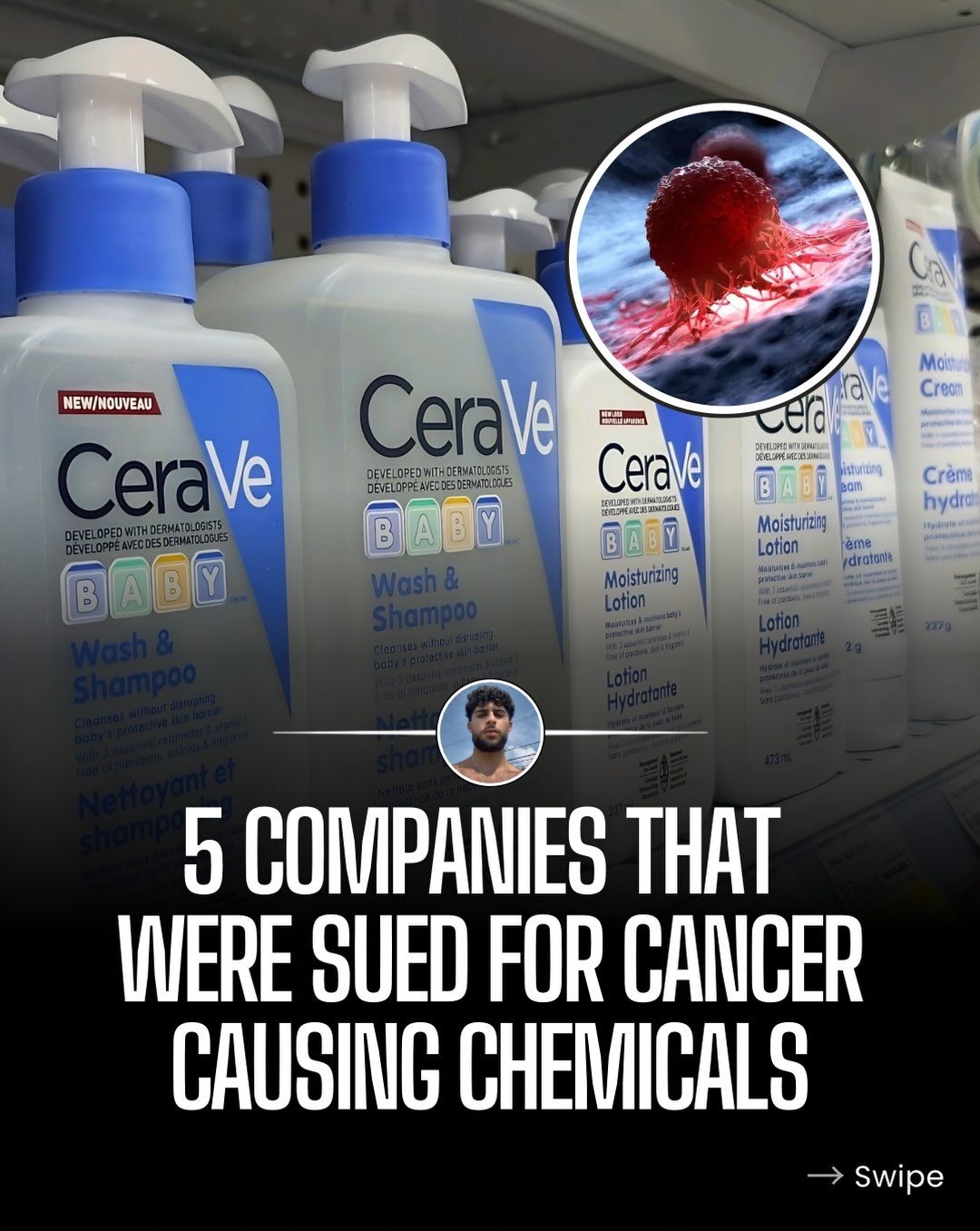
Multiple Brands Face Legal Challenges Over Cancer-Causing Chemicals in Their Products
Recent legal actions have brought into sharp focus the potential health risks associated with various products. CeraVe, Lululemon, Driscoll's, La Roche-Posay, and Neutrogena are among the brands facing lawsuits due to the presence of cancer-causing chemicals in their products. These legal challenges highlight the importance of consumer awareness and regulatory scrutiny in ensuring product safety.
Context
Consumer safety is a paramount concern for both manufacturers and regulatory bodies. The discovery of harmful chemicals in everyday products underscores the need for stringent safety measures and transparent communication from brands. These legal challenges have raised questions about the efficacy of current regulatory frameworks and the responsibilities of manufacturers in ensuring the safety of their products.
Main Discussion
CeraVe and Benzene in Acne Treatments
CeraVe, a popular personal care brand, is facing multiple class-action lawsuits involving its acne treatments. The lawsuits allege that the products contain benzene, a group 1 carcinogen. Six class actions have been filed against L’Oréal, the parent company of CeraVe, over the presence of benzene in its acne treatments, including two CeraVe products. Benzene is a known carcinogen that can cause leukemia and other blood cancers. The lawsuits highlight the potential risks associated with certain acne treatments and the need for increased vigilance in the personal care industry.
Lululemon and NDMA in Yoga Mats
Lululemon, a well-known brand in the fitness industry, has been sued after independent testing found NDMA, a cancer-causing chemical, in its latex yoga mats. In 2023, Lululemon agreed to pay $140,000 and reformulate its products following a court judgment. Additionally, the brand is under investigation for per- and polyfluoroalkyl substances (PFAS) in its apparel. PFAS are a group of man-made chemicals that have been linked to various health issues, including cancer. The presence of both NDMA and PFAS in Lululemon products raises concerns about the safety of fitness equipment and apparel, prompting consumers to seek safer alternatives.
Driscoll's and Pesticides in Strawberries
Driscoll's, a major player in the food industry, is facing legal action over the presence of 12 pesticides on its conventional strawberries. The pesticides were found at levels prohibited in several countries, including the EU, Taiwan, Chile, Korea, and Russia. These findings have led to two class actions being filed against Driscoll's. Interestingly, the brand's organic berries tested clean, suggesting that consumers may have a safer alternative to conventional strawberries. The legal action against Driscoll's highlights the ongoing debate about pesticide use in agriculture and the potential health risks associated with conventionally grown produce.
La Roche-Posay and Benzene in Acne Treatment
La Roche-Posay, another personal care brand, is also involved in the legal challenges surrounding the presence of benzene in acne treatments. The FDA recalled its Effaclar Duo acne treatment in March 2025 after finding elevated levels of benzene. La Roche-Posay is part of the same lawsuits as CeraVe, indicating a broader issue within the personal care industry. The recall of La Roche-Posay's product and the subsequent legal action emphasize the need for stringent safety measures and regulatory oversight in the production of personal care products.
Neutrogena and Benzene in Sunscreen
Neutrogena, a well-known brand in the personal care industry, has faced legal action over the presence of benzene in its spray sunscreens. Johnson & Johnson recalled Neutrogena spray sunscreens in 2021 after independent labs found benzene, a known carcinogen. Two families have sued Neutrogena, claiming that the sunscreen caused their children's leukemia. The lawsuits highlight the potential health risks associated with sunscreen use and the need for increased scrutiny in the production of personal care products, particularly those intended for sun protection.
Ongoing Legal Actions and Consumer Awareness
These legal challenges underscore the importance of consumer awareness and regulatory oversight in ensuring the safety of everyday products. As these cases unfold, consumers are encouraged to stay informed about the potential risks associated with the products they use and to seek safer alternatives when possible. For brands, the legal actions serve as a reminder of their responsibility to ensure the safety of their products and to maintain transparency with consumers.
Practical Tips
Read Labels Carefully: Always read product labels and ingredient lists to identify potential health risks.
Research Brands: Investigate brands and their safety records before making a purchase.
Seek Alternative Products: Consider switching to organic or non-toxic alternatives when possible.
Stay Informed: Keep up with the latest news and legal actions related to product safety.
Report Concerns: If you suspect a product is harmful, report it to the appropriate regulatory body and seek legal advice if necessary.
Important Takeaways
Multiple brands are facing legal challenges due to the presence of cancer-causing chemicals in their products. These legal actions highlight the importance of regulatory oversight and consumer awareness in ensuring product safety. As consumers, it is crucial to stay informed, read product labels, and seek safer alternatives when possible. For brands, the legal challenges serve as a reminder of their responsibility to ensure the safety of their products and maintain transparency with consumers.
Conclusion
The legal challenges faced by CeraVe, Lululemon, Driscoll's, La Roche-Posay, and Neutrogena serve as a stark reminder of the potential health risks associated with everyday products. These cases underscore the need for stringent safety measures, regulatory oversight, and consumer awareness in ensuring product safety. As consumers, it is crucial to stay informed, read product labels, and seek safer alternatives when possible. For brands, the legal challenges serve as a reminder of their responsibility to ensure the safety of their products and maintain transparency with consumers. By taking proactive steps, both consumers and brands can work together to create a safer and more transparent marketplace.
Watch the Reel
Questions readers ask
What are some of the chemicals that have led to lawsuits against major brands like Lululemon and Driscoll's?
Several chemicals have been highlighted in recent lawsuits, including benzene, NDMA, and PFAS. Benzene is a known carcinogen found in some products, NDMA is a byproduct of certain manufacturing processes, and PFAS are a group of man-made chemicals that can persist in the environment and the human body.
Why has Lululemon been involved in a lawsuit related to cancer-causing chemicals?
Lululemon has faced lawsuits due to the presence of PFAS in their yoga mats. PFAS, or per- and polyfluoroalkyl substances, are a group of chemicals that have been linked to various health issues, including cancer, and have raised concerns about their use in clothing and other products.
What are the potential health risks associated with benzene in products like sunscreen and strawberries?
Benzene is classified as a known carcinogen by the Environmental Protection Agency (EPA). Exposure to benzene can increase the risk of developing various types of cancer. Consumers should be aware of the potential for benzene contamination in products and take steps to minimize their exposure.
Why are consumers considering cancelling Neutrogena and other popular brands?
Consumers are considering cancelling Neutrogena and other brands due to lawsuits claiming the presence of cancer-causing chemicals, such as benzene, in their products. These legal actions have sparked concerns about the safety of commonly used items, leading consumers to reevaluate their purchasing decisions.
How are brands like CeraVe responding to the cancer-related lawsuits?
Brands like CeraVe have responded to the lawsuits by addressing the claims directly and, in many cases, conducting their own investigations, and, in some cases, reformulating products or releasing statements to assure consumers about the safety of their products. These responses aim to reassure consumers and mitigate the potential damage to their brand reputation.
What steps can consumers take to avoid products with harmful chemicals like PFAS?
Consumers can take several steps to avoid products with harmful chemicals like PFAS. First, they can look for products labeled as PFAS-free, research brands' transparency and safety measures, and check for safety certifications. Additionally, consumers can advocate for stricter regulations and better transparency in the manufacturing process, and support brands that prioritize safety and sustainability.
Recent articles
Fresh deep dives from the latest Reels we unpacked.




Comments
Be the first to comment.