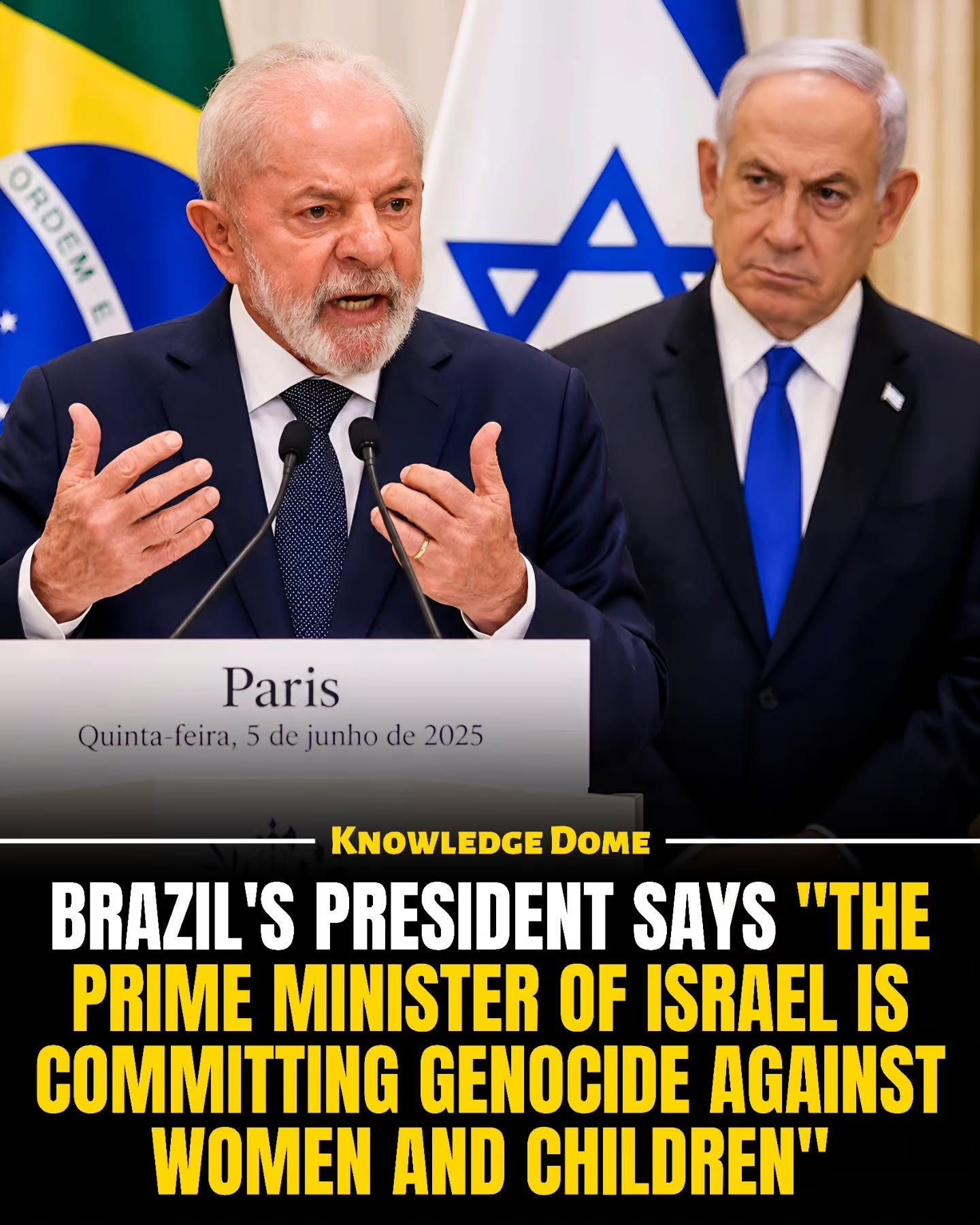
The Diplomatic Fallout of Lula's Strong Words on Gaza
The recent diplomatic standoff between Brazil and Israel, sparked by the comments made by Luiz Inácio Lula da Silva, President of Brazil, has placed the country at the center of an international controversy. During a speech at the Élysée Palace in Paris, Lula delivered a stark assessment of the conflict in Gaza, stating, “It’s not a war. It’s a genocide being carried out by a highly prepared army, against women and children.”
Why This Matters
The escalation of tensions between Brazil and Israel began with Lula's assertion that the events in Gaza constitute a genocide rather than a war. This characterization, which echoes his previous statements that the situation is a "premeditated genocide," has led to a series of reactions from Israeli leaders. The comparison of the Gaza violence to the Holocaust, a parallel that Lula drew, further intensified the controversy.
The Context of the Controversy
Lula's Statements and Their Impact
Lula’s remarks were not a one-time occurrence. He has repeatedly used strong language to describe the situation in Gaza, consistently framing it as a premeditated genocide. The use of such terminology is not merely semantics; it carries significant historical and ethical weight, invoking memories of the atrocities committed during the Holocaust. This comparison has deeply offended Israeli leaders, who view it as a gross misrepresentation of their country's actions and policies.
Diplomatic Repercussions
In response to Lula's statements, Israel publicly declared that he was not welcome in the country unless he retracted his words. This move was a clear attempt to pressure Lula into backtracking, but it had the opposite effect. Brazil responded by recalling its ambassador from Tel Aviv and expelling the Israeli ambassador, Brasília, a significant escalation in diplomatic tensions.
The Broader Implications
The standoff has broader implications beyond the immediate diplomatic fallout. It has highlighted the diverging views between Brazil and Israel on the nature of the conflict in Gaza and the appropriate terminology to describe it. Lula's statements have also underscored the growing polarization in global discourse on the Israel-Palestine conflict, with different countries and leaders holding starkly different views on the issues at hand.
Practical Tips for Navigating Diplomatic Crises
In the realm of international diplomacy, the fallout between Brazil and Israel serves as a case study in how quickly a crisis can escalate when strong language and accusations are involved. For other countries and leaders looking to navigate similar situations, there are several practical tips to consider.
Communicate Clearly but Tactfully
When addressing sensitive issues, it is crucial to communicate clearly but tactfully. Strong language, while emotionally powerful, can often overshadow the nuances of a situation. Instead of labeling actions as genocide, which can be seen as inflammatory, leaders might consider framing their statements in terms of human rights violations and the need for international intervention.
Understand the Diplomatic Landmines
Language that draws historical parallels, particularly to the Holocaust, is fraught with political risk. Leaders must be aware of the diplomatic landmines and how such comparisons can inflame tensions rather than foster understanding. It is essential to weigh the words carefully and consider the potential ramifications of using such language.
Seek Diplomatic Channels for Resolution
When tensions escalate, it is essential to seek diplomatic channels for resolution. This might involve bilateral or multilateral discussions, mediation by a third party, or even international forums. The goal should be to de-escalate the situation and find common ground, rather than resorting to measures that further inflame the crisis.
Important Takeaways
The diplomatic clash between Brazil and Israel underscores the volatility of international relations and the delicate nature of language in diplomacy. Lula's strong words have not only sparked a significant political dispute but have also highlighted the need for careful communication and understanding in international affairs.
The Power of Words
The power of words in shaping international relations cannot be overstated. Leaders must be mindful of the language they use, especially when addressing conflicts as sensitive as the situation in Gaza. Words can either bridge divides or deepen them, and it is crucial to choose them wisely.
The Role of Historical Analogies
The use of historical analogies, particularly to the Holocaust, can have profound consequences. Such comparisons carry immense weight and can evoke strong reactions, as seen in the response from Israeli leaders. Leaders must be aware of the potential backlash and consider whether the comparison is necessary and justified.
The Importance of Diplomatic Engagement
Diplomatic engagement is essential in resolving conflicts and preventing escalations. When tensions rise, it is crucial to engage in open, respectful dialogue, seeking common ground and understanding rather than resorting to retaliatory measures. This approach can help de-escalate crises and foster a more peaceful resolution.
Conclusion
The diplomatic standoff between Brazil and Israel serves as a stark reminder of the complexities and sensitivities involved in international relations. Lula's strong words on the situation in Gaza have sparked a significant controversy, highlighting the need for careful communication, understanding, and diplomacy.
As the world continues to grapple with conflicts and diplomatic crises, it is essential to learn from such incidents and strive for more thoughtful and constructive approaches to international relations. The path to resolution lies in understanding, respect, and open dialogue, rather than in escalating tensions through inflammatory language and retaliatory actions.
Watch the Reel
Questions readers ask
What specific words did Lula use that led to the diplomatic crisis?
Lula referred to the conflict in Gaza as a 'genocide' rather than a war. He specifically mentioned that it is 'a genocide being carried out by a highly prepared army, against women and children.' This strong language was seen as highly provocative and offensive.
How did Israel respond to Lula's statements?
Israel reacted strongly to Lula's remarks by recalling its ambassador from Brazil. This move is a significant diplomatic step that indicates a severe rift in the relationship between the two countries.
Why is the use of the term 'genocide' so controversial in this context?
The term 'genocide' is highly charged and carries immense historical weight, particularly when referring to the Holocaust. By using this term, Lula drew a parallel between the historical atrocities suffered by the Jews and the ongoing conflict in Gaza, which Israel found deeply offensive and inaccurate.
What was the purpose of Lula's speech at the Élysée Palace?
Lula delivered his speech at the Élysée Palace in Paris, where he presented his views on the conflict in Gaza. The choice of venue and audience was significant, as it highlighted his intention to bring international attention to the situation and potentially influence global opinion.
What actions did Brazil take in response to Israel's diplomatic move?
Brazil responded to Israel's recall of its ambassador by reciprocating the action, recalling its own ambassador from Israel. This back-and-forth escalation has deepened the diplomatic crisis and strained the relations between the two nations.
What is the significance of the term 'war' versus 'genocide' in this context?
The distinction between 'war' and 'genocide' is crucial. 'War' implies a conflict between armed forces, while 'genocide' suggests a systematic and deliberate effort to destroy a group. Lula's use of 'genocide' implies that the actions in Gaza are not justified military actions, but rather intentional acts of mass destruction.
What impact does this controversy have on Brazil-Israel relations?
The controversy has severely impacted Brazil-Israel relations, leading to a diplomatic standoff. The recalling of ambassadors is a strong signal of displeasure and could take months or years to recover from, depending on how both nations choose to navigate the situation.
Recent articles
Fresh deep dives from the latest Reels we unpacked.




Comments
Be the first to comment.