Aircraft Damage Assessment: The Incident at Frankfurt Airport
Understanding the aftermath of aircraft incidents is crucial for ensuring safety and preventing future mishaps. The Lufthansa Boeing 787-9 Dreamliner incident at Frankfurt Airport serves as a stark reminder of the complexities involved in aircraft damage assessment and emergency response.
Context: Why This Matters
Aircraft incidents, while rare, highlight the importance of robust safety protocols and emergency response mechanisms. The Lufthansa Boeing 787-9 Dreamliner incident, where the aircraft collapsed onto its belly, is a critical case study in aviation safety. Substantial damage and injuries to crew members and ground staff underscore the need for thorough damage assessment and immediate response.
Aircraft Incident Overview
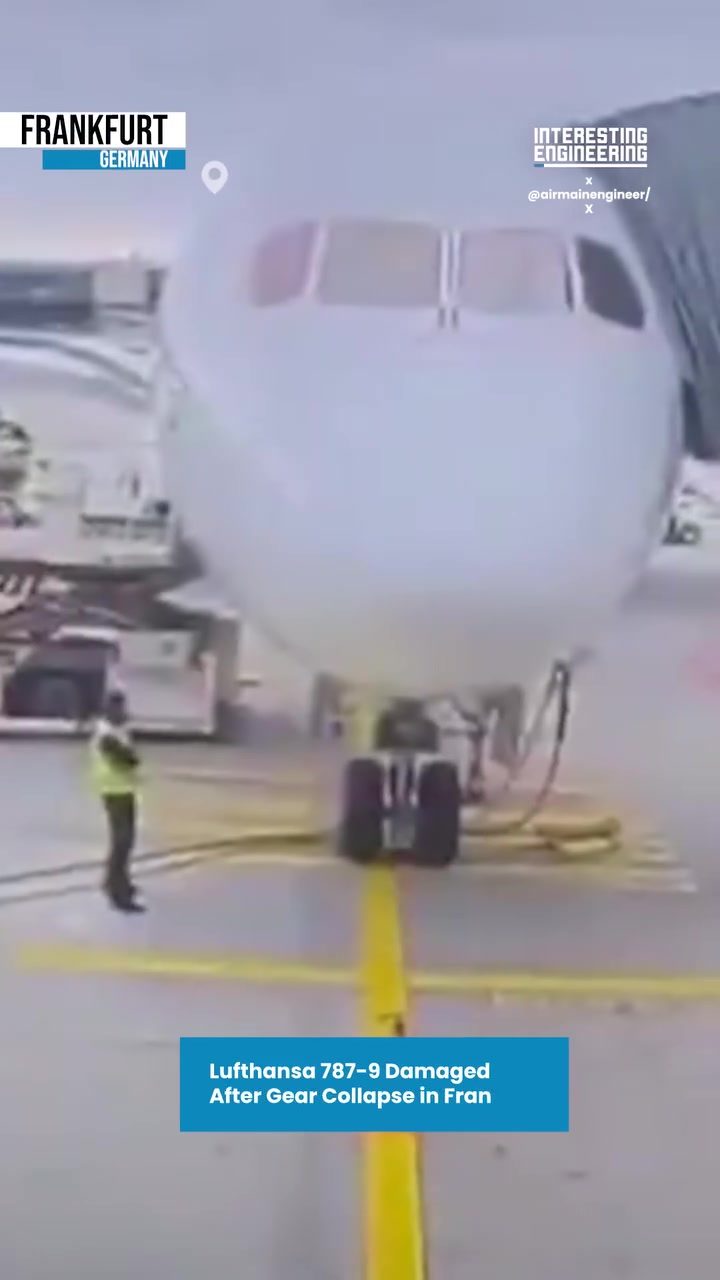
The incident involved a Lufthansa Boeing 787-9 Dreamliner, registration D-ABPQ, which collapsed onto its belly at Frankfurt Airport. The aircraft was parked at the gate when its nose gear unexpectedly retracted, causing the incident. This event injured several crew members and ground staff before passengers had even boarded the aircraft, highlighting the critical role of ground crew in such emergencies.
The Aircraft and the Incident
The Boeing 787-9 Dreamliner is a modern, wide-body jetliner known for its efficiency and advanced technology. The incident at Frankfurt Airport involved an unexpected failure of the nose gear, which retracted while the aircraft was parked. This unusual event led to the aircraft collapsing onto its belly, causing visible damage to the fuselage and wing sections.
Immediate Aftermath
Following the incident, ground crew and emergency services swiftly responded to the scene. Their primary focus was to assess the damage, ensure the safety of those on the ground, and manage any potential hazards. The presence of emergency vehicles and the coordinated efforts of the ground crew were crucial in handling the immediate aftermath.
Aircraft Damage Assessment
Aircraft damage assessment is a meticulous process that involves evaluating the extent of damage, identifying the cause, and determining the steps needed for repair. The process is critical for ensuring the aircraft's safety and reliability.
Initial Assessment
The initial assessment involves a visual inspection to identify visible damage. In the case of the Lufthansa Boeing 787-9, the damage was substantial, with the aircraft collapsing onto its belly. This visual inspection helps in understanding the extent of the damage and planning the next steps.
Structural Integrity
Evaluating the structural integrity of the aircraft is a crucial part of the damage assessment. This involves checking the fuselage, wings, and other critical components for any signs of damage. Given the nature of the incident, the structural integrity of the Boeing 787-9 would have been a primary concern.
Mechanical Systems
The mechanical systems, including the landing gear, engines, and avionics, are also thoroughly checked. The unexpected retraction of the nose gear in this incident would have required a detailed examination to understand the cause and prevent future occurrences.
Safety Protocols
Safety protocols are in place to ensure that any damage is immediately addressed and that the aircraft is safe for future operations. This includes ground crew training, emergency response procedures, and continuous monitoring of aircraft systems.
Practical Tips for Ground Crew
Ground crew members play a vital role in the aftermath of aircraft incidents. Their responsibilities include ensuring the safety of those on the ground, assessing the damage, and coordinating with emergency services.
Training and Preparedness
Regular training and preparedness drills are essential for ground crew members. This ensures they are well-equipped to handle emergencies and respond effectively in critical situations. Training should cover various scenarios, including unexpected incidents like the one involving the Lufthansa Boeing 787-9.
Communication and Coordination
Effective communication and coordination among ground crew members and emergency services are crucial. Clear communication channels and coordinated efforts ensure that the response is swift and efficient, minimizing the impact of the incident.
Emergency Response
Ground crew members must be ready to respond to emergencies immediately. This includes having the necessary equipment and protocols in place to handle any situation. Regular drills and simulations help in maintaining a high level of readiness.
Importance of Passenger Safety
Passenger safety is paramount in aviation. Ensuring that passengers are safe and secure during such incidents requires a thorough understanding of the situation and effective communication.
Passenger Evacuation
In the event of an incident, passenger evacuation procedures are critical. Ground crew and emergency services must work together to ensure that passengers are evacuated safely and efficiently. This involves clear communication, coordinated efforts, and adherence to safety protocols.
Communication with Passengers
Keeping passengers informed and calm is essential during such incidents. Clear and concise communication helps in managing their anxiety and ensuring their safety. Ground crew members and emergency services play a crucial role in providing this information.
Important Takeaways
The Lufthansa Boeing 787-9 Dreamliner incident at Frankfurt Airport highlights several key takeaways regarding aircraft damage assessment and emergency response.
Robust Safety Protocols
Robust safety protocols are essential for ensuring the safety of crew members, ground staff, and passengers. These protocols must be regularly reviewed and updated to address any new challenges or incidents.
Effective Emergency Response
An effective emergency response is crucial in minimizing the impact of aircraft incidents. Ground crew members and emergency services must be well-trained and prepared to handle any situation.
Continuous Monitoring
Continuous monitoring of aircraft systems and regular inspections are necessary to identify any potential issues before they escalate. This proactive approach helps in maintaining the safety and reliability of the aircraft.
Conclusion
The Lufthansa Boeing 787-9 Dreamliner incident at Frankfurt Airport serves as a reminder of the complexities involved in aircraft damage assessment and emergency response. Understanding the process and ensuring that safety protocols are in place is crucial for enhancing aviation safety. By learning from such incidents, the aviation industry can continue to improve its standards and ensure the safety of all passengers and crew members.
Watch the Reel
Questions readers ask
What caused the Lufthansa 787-9 to collapse at Frankfurt Airport?
The cause of the collapse is still under investigation, but it is believed to be due to a malfunction in the landing gear system, which failed to deploy correctly during parking, causing the aircraft to settle onto its belly.
What was the extent of the damage to the Lufthansa 787-9?
The incident resulted in significant damage that affected both the fuselage and wing sections of the 787-9. The belly landing failure caused substantial structural damage, emphasizing the need for a comprehensive damage assessment.
What role did the ground crew play in the emergency response?
The ground crew played a pivotal role in the emergency response. Their swift action helped to secure the area, assist injured personnel, and initiate the damage assessment process, which is crucial for understanding and mitigating the risks associated with such incidents.
How did the Lufthansa 787-9 incident affect Frankfurt Airport operations?
The incident temporarily disrupted Frankfurt Airport operations, as emergency response teams and maintenance crews worked to assess and address the damage. However, the airport's robust safety protocols and emergency response mechanisms helped to minimize the impact on overall operations.
What safety measures can be implemented to prevent similar incidents?
To prevent similar incidents, airlines can implement rigorous maintenance checks, improve landing gear systems, and enhance crew training. Additionally, regular drills and updates to emergency response protocols can help ground crew members respond effectively during such emergencies.
Recent articles
Fresh deep dives from the latest Reels we unpacked.




Comments
Be the first to comment.