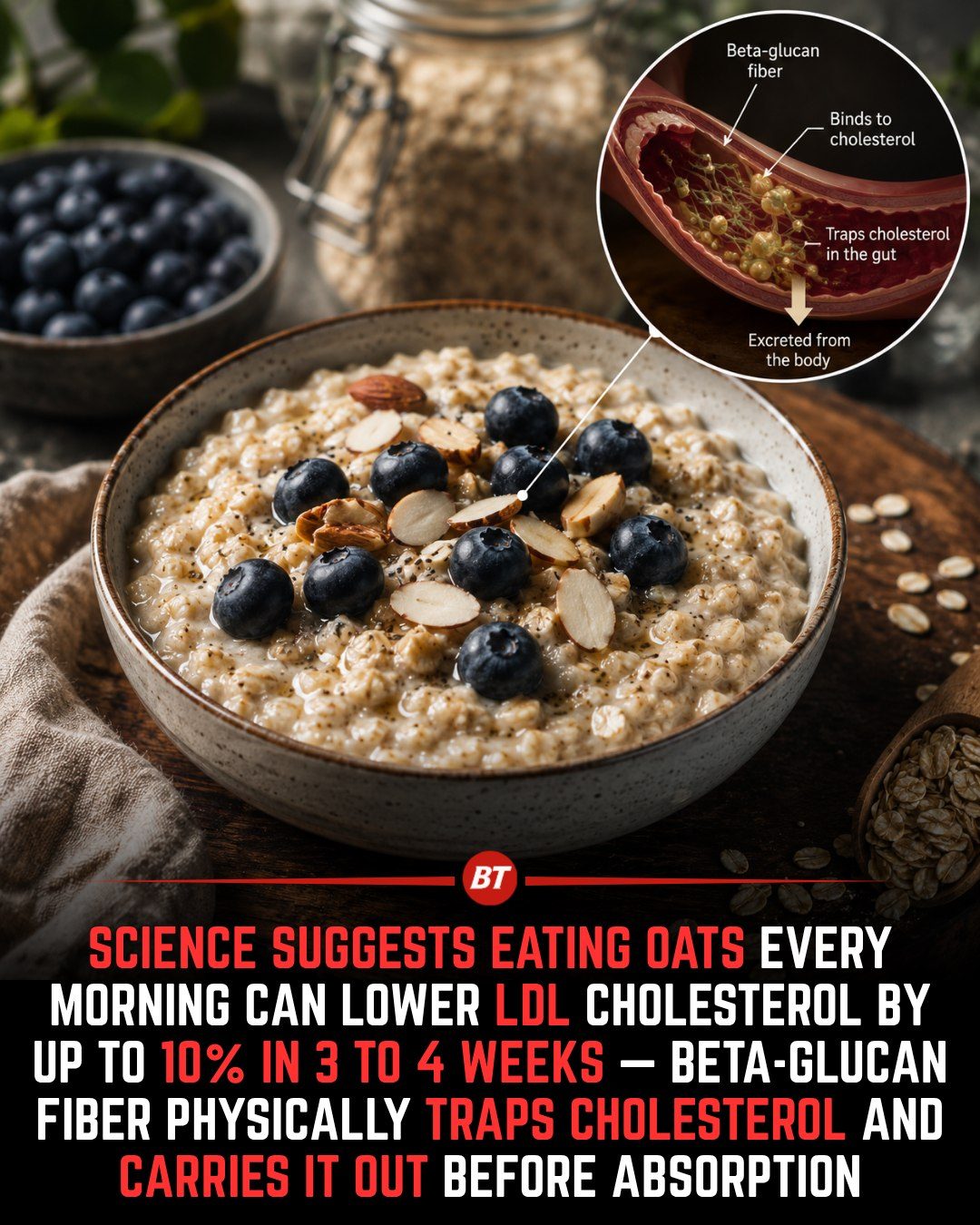
Oats and Cholesterol
Starting your day with a bowl of oatmeal can be a simple and effective way to support heart health, particularly by managing cholesterol levels. Oats are packed with beta-glucan, a type of soluble fiber that plays a crucial role in this process.
Why This Matters
High levels of LDL, or "bad" cholesterol, can lead to serious health issues, including heart disease. Including oats in your daily diet can help lower LDL cholesterol, contributing to a healthier heart.
The Science Behind Oats and Cholesterol
The key to oats' cholesterol-lowering effects lies in their beta-glucan content. This soluble fiber forms a gel-like substance in the digestive tract. This gel binds to bile acids and cholesterol, preventing their reabsorption. As a result, the body uses circulating cholesterol to produce more bile, thereby lowering LDL cholesterol levels. Clinical studies have shown that consuming oats regularly, especially as part of a heart-healthy diet, can reduce LDL cholesterol by up to 10% in just 3 to 4 weeks.
Beta-Glucan Fiber
Beta-glucan is a type of soluble fiber found in oats. When it comes into contact with liquid in the digestive system, it swells and forms a thick, gel-like substance. This gel helps to trap bile acids and cholesterol, carrying them out of the body before they can be reabsorbed. By reducing the reabsorption of cholesterol, oats help lower LDL cholesterol levels, which is beneficial for heart health.
Cholesterol Excretion
The binding of beta-glucan to cholesterol and bile acids in the gut is a key mechanism by which oats help lower cholesterol levels. This process ensures that less cholesterol is absorbed into the bloodstream, which can lead to a reduction in LDL cholesterol levels over time. Studies have shown that this process can be effective in reducing LDL cholesterol by up to 10% when oats are consumed daily.
Clinical Studies
Multiple clinical studies have demonstrated the beneficial effects of oats on cholesterol levels. These studies have shown that regular consumption of oats, as part of a balanced diet, can help lower LDL cholesterol. The effectiveness of oats in reducing cholesterol levels is often attributed to their high content of beta-glucan fiber.
Benefits Beyond Cholesterol
While the cholesterol-lowering effects of oats are significant, they are not the only health benefits. Oats also offer several other advantages, including:
- Steady Blood Sugar Levels: Beta-glucan slows down digestion, which helps to promote steadier blood sugar levels and longer-lasting fullness after meals.
- Nutrient-Rich: Oats are a good source of magnesium, iron, antioxidants, and prebiotic fiber. These nutrients nourish beneficial gut bacteria and contribute to overall metabolic and digestive health.
- Versatility: Oats are easy to incorporate into your diet. They can be enjoyed as a warm breakfast cereal, in baked goods, or as a base for snacks.
Practical Tips
How to Incorporate Oats into Your Diet
Enjoying a bowl of oatmeal each morning is an easy way to reap the health benefits of oats. Here are some practical tips to make the most of your oatmeal:
- Choosing the Right Oats: Opt for rolled or steel-cut oats, as they are minimally processed and retain more of their natural fiber and nutrients compared to instant oats.
- Toppings: Add a variety of toppings to enhance the flavor and nutritional value of your oatmeal. Berries, nuts, seeds, and a sprinkle of cinnamon are all great options. Avoid adding too much sugar, as this can counteract the health benefits.
- Meal Prep: Prepare oats in advance to save time in the morning. Cook a batch of oatmeal and portion it into containers for easy reheating.
Important Takeaways
- Beta-glucan fiber in oats binds to cholesterol and bile acids, preventing their reabsorption and helping to lower LDL cholesterol levels.
- Regular consumption of oats, as part of a heart-healthy diet, can reduce LDL cholesterol by up to 10% in 3 to 4 weeks.
- Oats offer additional health benefits, including steady blood sugar levels, improved digestion, and a rich source of essential nutrients.
- Incorporating oats into your daily routine is easy and versatile, making them a convenient addition to a healthy diet.
Conclusion
Oats are a powerful tool for supporting heart health and managing cholesterol levels. Their high content of beta-glucan fiber plays a crucial role in binding to and removing cholesterol from the body. By incorporating oats into your daily diet, you can enjoy the multiple health benefits they offer, from improved digestion to steady blood sugar levels. Start your day with a bowl of oatmeal and take a step towards a healthier heart.
Watch the Reel
Questions readers ask
What is beta-glucan and how does it help lower cholesterol?
Beta-glucan is a type of soluble fiber found in oats. It forms a gel-like substance in the digestive tract that binds to cholesterol and bile acids, preventing their reabsorption and thereby reducing LDL, or 'bad,' cholesterol levels. This process helps to lower overall cholesterol levels and support heart health.
How much oatmeal should I eat to see cholesterol-lowering benefits?
To experience the cholesterol-lowering benefits of oats, aim to incorporate about 1/2 to 1 1/2 cups of cooked oatmeal into your daily diet. This amount provides a sufficient intake of beta-glucan, the key fiber responsible for reducing LDL cholesterol levels. For best results, make oatmeal a regular part of your morning routine.
Can I use any type of oats to lower cholesterol, or are some better than others?
All oats have cholesterol-lowering benefits, but the less processed, the better. Steel-cut oats and old-fashioned rolled oats are excellent choices as they contain more beta-glucan than instant oats. Additionally, steel-cut oats have a slightly lower glycemic index, which may help with maintaining stable blood sugar levels.
How quickly can I expect to see results from eating oatmeal for lowering cholesterol?
The timeframe for seeing results can vary, but some studies suggest that you may see a reduction in LDL cholesterol levels within 2-3 weeks of incorporating oatmeal into your daily diet. To maximize the benefits, consistently include oatmeal in your morning routine and maintain a balanced diet overall.
Are there other foods that contain beta-glucan besides oats?
Yes, while oats are one of the richest sources of beta-glucan, other foods also contain this beneficial fiber. These include barley, certain types of mushrooms, and seaweed. However, oats remain one of the most convenient and readily available sources for most people.
Can oats help with other aspects of digestive health besides cholesterol reduction?
Yes, oats offer several benefits for digestive health. The soluble fiber in oats, including beta-glucan, can help promote a feeling of fullness and support regular bowel movements. Additionally, oats can help maintain a healthy gut microbiome, contributing to overall digestive well-being. For best results, integrate oats into a balanced diet.
Are there any specific recipes or preparation methods that enhance the cholesterol-lowering benefits of oats?
To maximize the cholesterol-lowering benefits of oats, opt for minimal processing and avoid adding excessive sugars or fats. Steel-cut or rolled oats are ideal choices. Preparation methods like overnight oats or cooking oats with low-fat milk or water can make them convenient and versatile. Consider adding heart-healthy toppings like fruits, nuts, or a small amount of honey.
Recent articles
Fresh deep dives from the latest Reels we unpacked.




Comments
Be the first to comment.