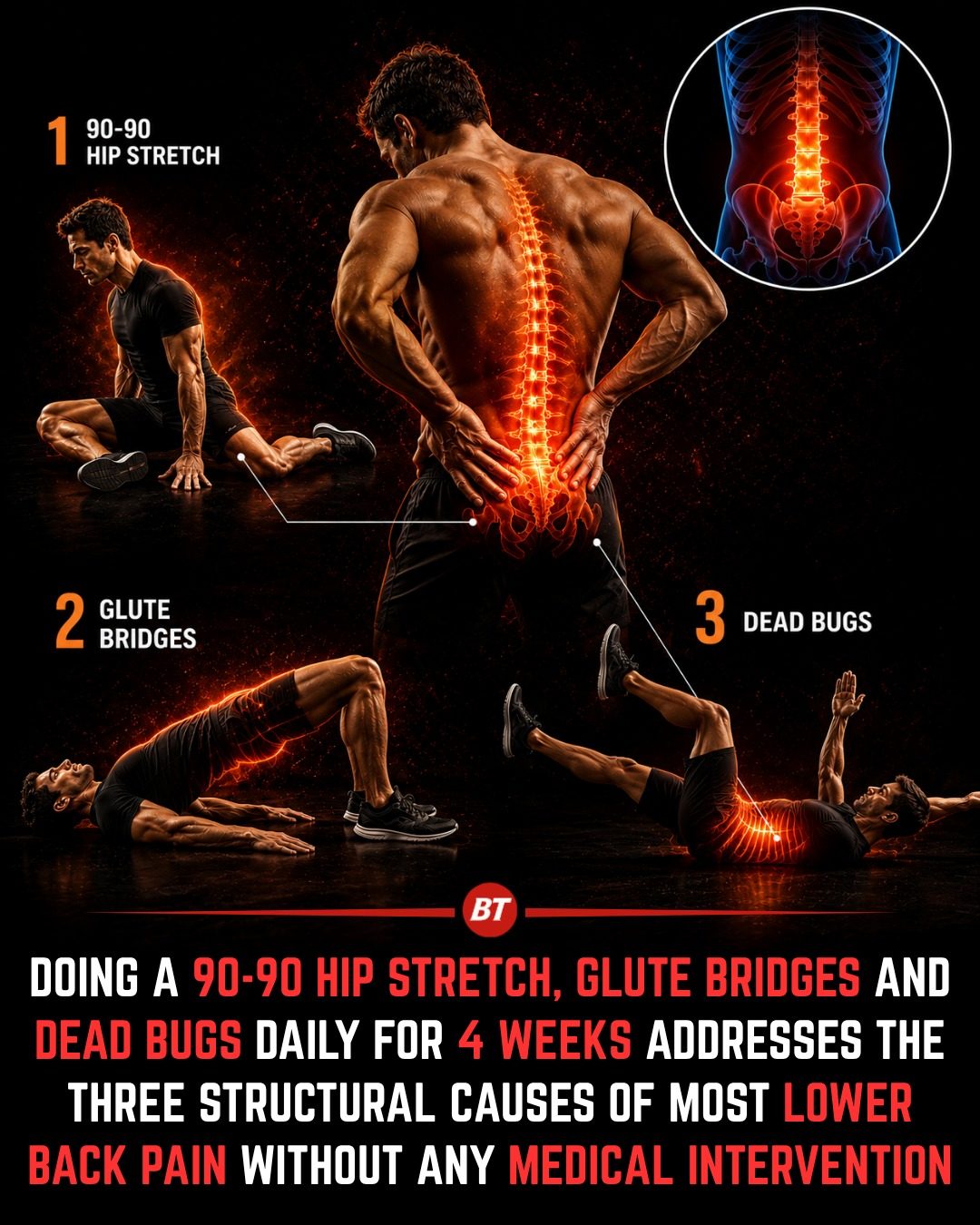
Lower Back Pain Relief: Exercises for Mobility, Stability, and Strength
Lower back pain is a common issue that affects many people, often due to reduced mobility and weak underlying muscles. Exercises like the 90-90 hip stretch, glute bridges, and dead bugs can significantly help improve the situation. These exercises are recommended by physical therapists to address the root causes of lower back pain, which often involve issues with hip mobility, core stability, and glute strength.
Why This Matters
Non-specific lower back pain is a pervasive issue, affecting a large portion of the population. This type of pain is not attributed to a specific medical condition, such as a fracture or nerve issue, but rather to issues in the musculoskeletal system. Addressing these issues through targeted exercises can lead to significant reductions in pain and improvements in everyday movement.
Understanding the Exercises
90-90 Hip Stretch
The 90-90 hip stretch is designed to improve hip rotation and mobility. This exercise involves lying on your back with both knees bent at 90-degree angles, feet flat on the floor, and then gently allowing one knee to drop towards the floor while keeping the other leg flat. This stretch helps to release tension in the hips and improve flexibility, which is crucial for overall lower back health. The hip joints are vital for transferring forces from the lower to the upper body, and any restriction in this area can cause the lower back to overwork, leading to pain.
Glute Bridges
Glute bridges are a fundamental exercise for strengthening the muscles that stabilize the pelvis. These exercises are performed by lying on your back with knees bent, feet flat on the floor, and then lifting the hips off the ground until the body forms a straight line from shoulders to knees. Glute bridges target the gluteus maximus, the largest muscle in the body, which is essential for stabilizing the pelvis and supporting the lower back.
Dead Bugs
Dead bugs are an excellent exercise for training the deep core muscles, including the transverse abdominis and pelvic floor muscles. These muscles play a crucial role in supporting the spine during movement. The exercise involves lying on your back with arms and legs extended towards the ceiling, then lowering one arm and the opposite leg towards the floor and returning to the starting position. Dead bugs help to improve core stability and reduce the load on the lower back by ensuring that the core muscles are strong and engaged.
The Role of Consistency
When these exercises are performed regularly, they can lead to significant improvements in lower back health. It’s essential to focus on consistency rather than intensity. Performing these exercises correctly for 10–15 minutes a day, over several weeks, can yield significant benefits. The key is to prioritize proper form and slow, controlled movements to avoid injury and maximize the benefits of each exercise.
Practical Tips
Proper Form and Technique
Proper form is crucial for the effectiveness of these exercises. Ensure that you are performing each movement correctly to target the right muscles and avoid injury. For the 90-90 hip stretch, keep your back flat on the ground and avoid lifting your hips. For glute bridges, ensure that your hips are lifted high enough to form a straight line from shoulders to knees. For dead bugs, keep your lower back pressed into the floor and avoid arching your back.
Gradual Progression
Start with a manageable number of repetitions and gradually increase the duration and intensity of these exercises. This approach helps to prevent overexertion and reduces the risk of injury. If you experience any pain or discomfort, stop the exercise immediately and consult a healthcare professional.
Incorporating Variety
While these three exercises are highly effective, incorporating a variety of lower back exercises into your routine can provide additional benefits. Exercises like cat-cow stretches, bird dogs, and pelvic tilts can help to further improve mobility, stability, and strength in the lower back and surrounding areas.
Important Takeaways
- Hip Mobility: Improving hip mobility with exercises like the 90-90 hip stretch can reduce the strain on the lower back.
- Core Stability: Strengthening the core muscles with exercises like dead bugs helps to support the spine and improve overall stability.
- Glute Strength: Targeting the glute muscles with glute bridges can stabilize the pelvis and reduce lower back pain.
- Consistency: Regular practice of these exercises for several weeks can lead to significant improvements in lower back health.
Conclusion
Lower back pain is a complex issue that often involves more than just the back itself. By focusing on exercises that improve hip mobility, core stability, and glute strength, many people can find relief from non-specific lower back pain. Start by incorporating the 90-90 hip stretch, glute bridges, and dead bugs into your daily routine. Consistency and proper form are key to maximizing the benefits of these exercises.
Watch the Reel
Questions readers ask
What are the benefits of the 90-90 hip stretch for lower back pain relief?
The 90-90 hip stretch is excellent for improving hip mobility, which can alleviate lower back pain. This exercise helps to reduce tension in the lower back by increasing flexibility and range of motion in the hips. It is particularly useful for those who spend a lot of time sitting, as it targets tight hip flexors and glutes.
How do glute bridges help with lower back pain management?
Glute bridges are effective for strengthening the glute muscles, which play a crucial role in supporting the lower back. By enhancing glute strength, these exercises can improve posture, reduce strain on the lower back, and alleviate discomfort. Glute bridges are also beneficial for activating the core muscles, which further supports the spine.
What is the purpose of the dead bugs exercise in relieving lower back pain?
The dead bugs exercise is designed to improve core stability, which is essential for maintaining proper alignment and reducing lower back pain. This exercise involves coordinated movements of the arms and legs, which helps to engage the deep core muscles and enhance overall spinal stability. Regular practice can lead to better motor control and reduced discomfort.
Can these exercises help with non-specific lower back pain?
Yes, the exercises mentioned—90-90 hip stretch, glute bridges, and dead bugs—are specifically targeted to address non-specific lower back pain. These exercises focus on improving hip mobility, core stability, and glute strength, which are common underlying issues in non-specific lower back pain.
How often should these exercises be performed for daily back pain relief?
For optimal results, incorporating these exercises into your daily routine is recommended. Aim for at least 10-15 minutes a day, spread out in short intervals if necessary. Consistency is key, so try to make these exercises a part of your morning or evening routine to ensure regular practice and sustained relief.
Are there any precautions to take when performing these exercises for lower back pain relief?
While these exercises are generally safe and effective, it's important to listen to your body and avoid any movements that cause pain. Start with a gentle range of motion and gradually increase the intensity as your strength and flexibility improve. If you have a pre-existing condition or experience severe pain, consult with a healthcare professional before beginning any new exercise routine.
Can these exercises be done at home without any special equipment?
Yes, all three exercises—90-90 hip stretch, glute bridges, and dead bugs—can be performed at home without any special equipment. They require minimal space and can be done on a comfortable surface like a mat or a carpeted floor. This makes them convenient for daily practice and easy to incorporate into your routine.
Related deep dives
Similar reads based on topic and creator.




Recent articles
Fresh deep dives from the latest Reels we unpacked.




Comments
Be the first to comment.