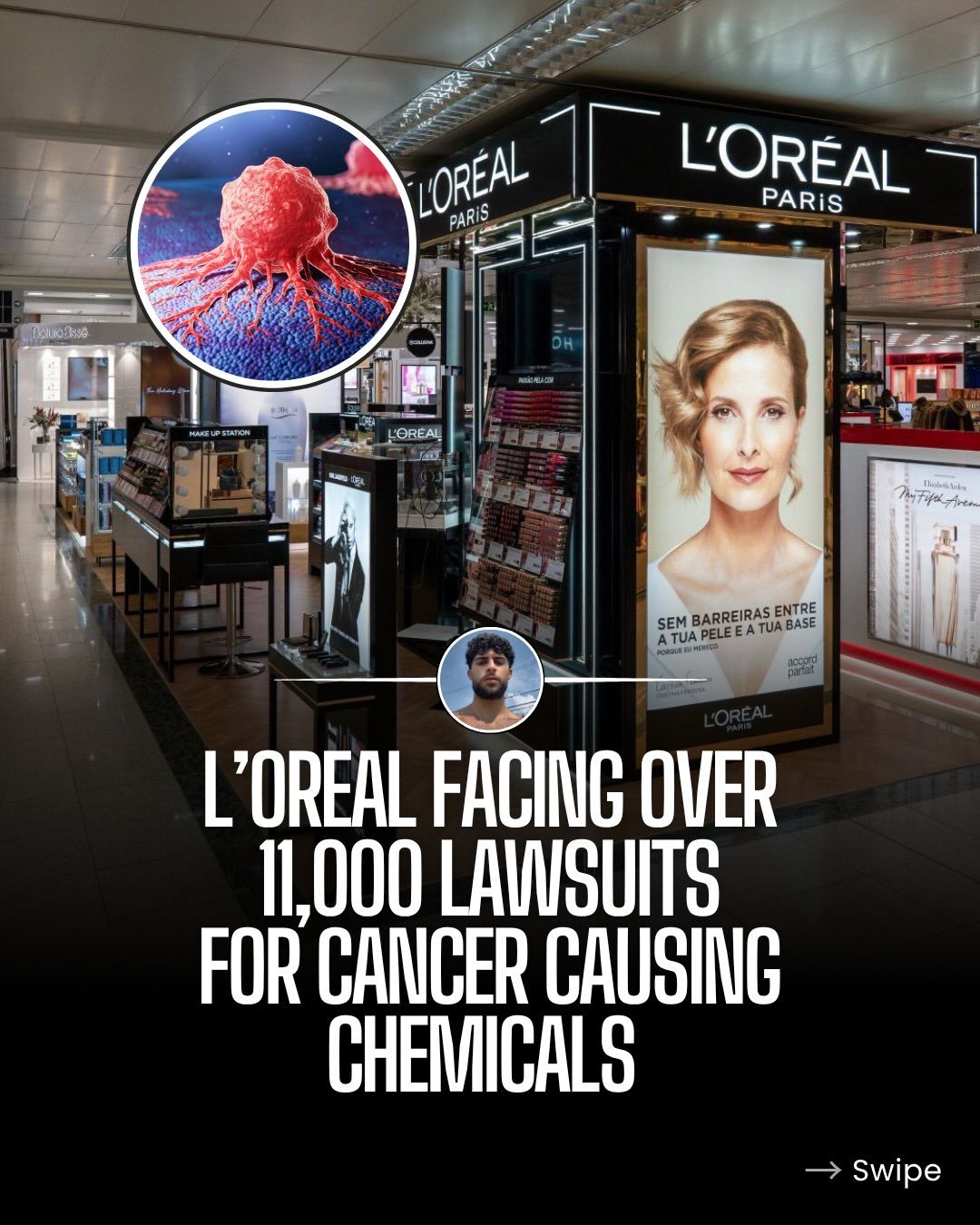
L'Oréal Lawsuits: Cancer-Causing Chemicals in Hair Relaxers
Hair relaxers, particularly popular among women seeking to straighten their hair, have come under significant scrutiny due to a multitude of lawsuits against L'Oréal. The company, which owns several dominant brands in the hair relaxer market, is facing over 11,000 lawsuits. These lawsuits allege that L'Oréal's products contain cancer-causing chemicals and that the company failed to warn consumers about these risks. These legal actions primarily target L'Oréal's popular brands, including Dark & Lovely, Optimum, and Mizani.
Why This Matters
The use of hair relaxers and dyes is widespread, and the potential health risks associated with these products are severe. Studies and legal claims suggest a link between the use of hair relaxers and an increased risk of various types of cancer, including uterine, thyroid, and breast cancer. The absence of warning labels and the continued availability of these products on store shelves raise serious concerns about consumer safety and corporate responsibility.
Potential Health Risks
Cancer-Causing Chemicals in Hair Relaxers
According to the caption and on-screen text, independent lab testing confirmed the presence of phthalates, parabens, and formaldehyde in L'Oréal's hair relaxer products. These chemicals pose significant health risks:
- Phthalates: Often hidden under the label "Fragrance", phthalates are known to disrupt the endocrine system, which can lead to various health issues, including hormone-sensitive cancers.
- Parabens: These are endocrine disruptors linked to breast cancer and other hormone-related health problems.
- Formaldehyde: A confirmed carcinogen, formaldehyde is known to cause cancer and is often used in hair straightening products.
The National Institutes of Health Study
A comprehensive study by the National Institutes of Health (NIH) tracked over 33,000 women for 11 years. The study found that women using hair relaxers with these harmful chemicals more than four times a year were more than twice as likely to develop uterine cancer. The study also documented elevated rates of other cancers, including thyroid cancer, non-Hodgkin lymphoma, pancreatic cancer, and breast cancer, among long-term users.
Absorption Through Chemical Burns
The chemicals in hair relaxers are particularly dangerous because they can absorb directly into the bloodstream through chemical burns caused by the relaxer itself. This direct absorption increases the risk of cancer and other health issues.
Cancer-Causing Chemicals in Hair Dye Products
The concern over cancer-causing chemicals in hair products is not limited to relaxers. In April 2026, Consumer Reports tested 23 hair dye products and found methylene chloride, a probable human carcinogen, in every single product tested. L'Oréal Paris had the highest levels of methylene chloride among all the brands tested. This finding underscores the pervasive issue of harmful chemicals in hair care products and the need for stricter regulations and consumer awareness.
Legal Actions and Consumer Safety
Current Legal Status
Over 11,000 lawsuits have been filed against L'Oréal, with the company as the primary defendant. Despite the mounting legal challenges, there has been no trial scheduled until 2027, and no settlements have been reached. The products in question remain on the market with no warning labels, raising serious questions about the effectiveness of current regulatory measures.
Practical Tips for Consumers
Given the potential health risks, consumers should take the following precautions:
- Read Labels Carefully: Look for products that are free from phthalates, parabens, and formaldehyde. Be wary of products that list "Fragrance" on the label, as this can often indicate the presence of phthalates.
- Choose Natural Alternatives: Opt for natural hair care products that do not contain harsh chemicals. Look for brands that prioritize ingredient transparency and safety.
- Consult a Professional: If you are concerned about the use of hair relaxers or dyes, consult a healthcare professional or a dermatologist. They can provide personalized advice based on your health history and current health status.
- Stay Informed: Keep up-to-date with the latest research and legal developments related to hair care products. This will help you make informed decisions about the products you use.
Important Takeaways
The legal and health issues surrounding L'Oréal's hair relaxer products highlight the need for greater transparency and regulation in the beauty industry. Consumers deserve to know what is in the products they use and the potential risks associated with them.
Conclusion
The lawsuits against L'Oréal highlight a critical issue in the beauty industry: the presence of cancer-causing chemicals in hair relaxers and dyes. Consumers need to be informed about the potential health risks and take proactive steps to protect themselves. By choosing safer products and staying informed, consumers can mitigate some of the risks associated with hair care. The ongoing legal battle serves as a reminder of the importance of corporate responsibility and the need for stricter regulations to ensure the safety of consumers.
Watch the Reel
Questions readers ask
What specific chemicals in L'Oréal hair relaxers are being linked to cancer?
The lawsuits against L'Oréal specifically mention that their hair relaxer products contain chemicals such as formaldehyde and phthalates, which are known to be carcinogenic. These chemicals are often used to achieve the straightening effect in hair relaxers and have been linked to uterine, thyroid, and breast cancer.
Which L'Oréal brands are most commonly mentioned in the lawsuits?
The lawsuits primarily target L'Oréal's prominent brands, including Dark & Lovely, Optimum, and Mizani. These brands are popular among consumers seeking to straighten their hair and are among the most widely used in the market.
What are the potential health risks associated with using L'Oréal hair relaxers?
Users of L'Oréal hair relaxers may face increased risks of developing various types of cancer, including uterine, thyroid, and breast cancer. These health concerns have been highlighted in numerous studies and legal claims, raising significant alarm among consumers.
How many lawsuits have been filed against L'Oréal regarding their hair relaxer products?
As of recent reports, over 11,000 lawsuits have been filed against L'Oréal, alleging that their hair relaxer products contain cancer-causing chemicals and that the company did not adequately warn consumers about these risks.
What are the allegations against L'Oréal in the hair relaxer cancer lawsuits?
The lawsuits allege that L'Oréal's hair relaxer products contain cancer-causing chemicals and that the company failed to provide sufficient warnings to consumers about the potential health risks. This has led to a multitude of legal actions against the company.
Are there any updates on the L'Oréal hair relaxer lawsuit settlements?
As of now, there have been no public announcements regarding settlements in the L'Oréal hair relaxer lawsuits. The legal process is ongoing, and consumers and legal experts are closely monitoring the developments.
What steps can consumers take if they have used L'Oréal hair relaxers and are concerned about their health?
Consumers who have used L'Oréal hair relaxers and are concerned about their health should consult with a healthcare provider to discuss their risks. Additionally, those who believe they have been harmed may want to consult with a legal professional to explore their options for joining the ongoing lawsuits.
Recent articles
Fresh deep dives from the latest Reels we unpacked.




Comments
Be the first to comment.