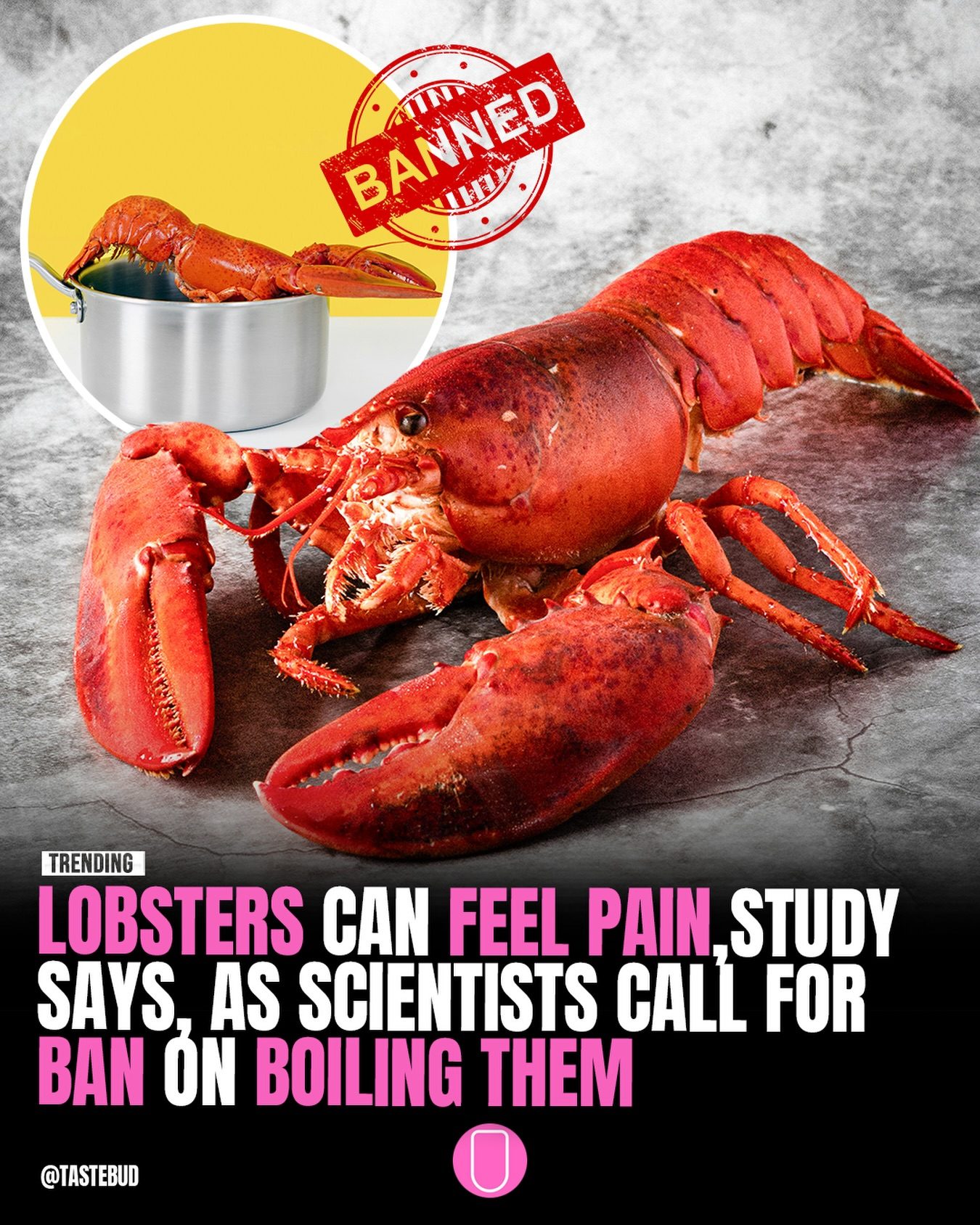
Lobster Pain Study and Implications for Cooking
Lobsters, a delicacy in many parts of the world, are often boiled alive as a common cooking method. Recent research, however, is challenging this practice by suggesting that lobsters may experience pain in a way similar to other animals. The findings have sparked a debate about food practices and animal welfare, with scientists calling for changes in how lobsters are handled and cooked.
The Lobster Pain Study
Research conducted by scientists reveals that lobsters possess sensory systems that allow them to react to painful stimuli. This discovery challenges the long-held belief that lobsters do not feel pain due to their relatively simple nervous systems. The study suggests that lobsters can perceive and respond to harmful stimuli, much like other animals. This finding has significant implications for how we cook and handle these creatures.
The Science Behind Lobster Pain
Lobsters have a complex nervous system that includes a brain and a series of ganglia, or nerve clusters. These ganglia are connected to sensory receptors throughout the lobster's body, allowing it to detect and respond to various stimuli, including pain. When a lobster is placed in boiling water, it is likely to experience intense discomfort and distress. This has led researchers to advocate for more humane cooking methods that minimize the creature's suffering.
Why This Matters
The implications of this research extend far beyond the culinary world. It raises important questions about animal welfare and ethical food practices. As consumers become more aware of the potential suffering of animals, there is growing pressure on the food industry to adopt more compassionate methods of handling and preparing food.
Animal Welfare and Ethical Consumption
The idea that lobsters can feel pain challenges our traditional views on animal welfare. Many people are now questioning whether it is ethical to boil lobsters alive, given the potential for suffering. This shift in perspective is part of a broader movement towards more ethical and humane treatment of animals in the food industry. Consumers are increasingly seeking out products that align with their values, and this trend is driving demand for more compassionate food practices.
Humane Handling and Cooking Methods
Given the potential for lobsters to feel pain, scientists and animal welfare advocates are recommending more humane methods of handling and cooking. Some alternatives to boiling include:
Freezing
Freezing lobsters before cooking can render them unconscious, reducing the likelihood of them experiencing pain. However, freezing should be done in a controlled manner to ensure the lobster is quickly and humanely euthanized.
Chilling
Electric stunning or chill stunning are methods that involve exposing the lobster to low temperatures or electric currents to render it unconscious. These methods can be more effective in reducing the potential for pain and suffering.
Mechanical Stunning
A blow to the head or a sharp blow to the lobster’s nervous system can also render a lobster unconscious. This method is often used in slaughterhouses and can be effective if done correctly. However, it requires careful handling to ensure the lobster is rendered unconscious before further processing.
Practical Tips for Home Cooks
If you are a home cook who enjoys lobster, there are several ways you can implement more humane practices in your kitchen:
Use Alternate Cooking Methods
Consider alternative cooking methods that minimize the lobster's suffering. For example, you can place the lobster in the freezer for about 20-30 minutes before cooking. This can help to render the lobster unconscious, making the cooking process more humane.
Adopt Humane Handling Techniques
When handling lobsters, avoid poking, dropping, or otherwise mistreating them. Handle them gently and with care to minimize stress and discomfort.
Support Ethical Suppliers
Look for suppliers and restaurants that prioritize ethical and humane food handling. Supporting businesses that adhere to animal welfare standards can drive change in the industry and promote more compassionate practices.
Important Takeaways
The recent findings on lobster pain highlight the need for a more compassionate approach to food handling and preparation. Here are some key takeaways:
Lobsters Can Feel Pain
The research confirms that lobsters possess sensory systems that allow them to perceive and respond to painful stimuli. This means that traditional cooking methods, such as boiling, may cause significant discomfort and suffering.
Ethical Consumption Matters
As consumers, we have a responsibility to consider the welfare of the animals we consume. By choosing more humane methods of handling and cooking, we can reduce the suffering of these creatures and contribute to a more ethical food industry.
Alternatives Exist
There are alternative methods for handling and cooking lobsters that can minimize their suffering. Freezing, chilling, and mechanical stunning are viable options for more humane treatment.
Conclusion
The discovery that lobsters can feel pain is a significant finding that has far-reaching implications for the food industry and ethical consumption. As we become more aware of the potential suffering of animals, it is essential to adopt more compassionate practices in our food handling and preparation. By choosing humane methods and supporting ethical suppliers, we can contribute to a more compassionate and responsible food industry.
Investing in more ethical and humane practices is not just about the animals; it's about fostering a culture of compassion and responsibility in our daily lives. Whether you are a home cook or a professional chef, there are practical steps you can take to make a positive impact. Embrace these changes and help drive a shift towards more ethical and humane food practices.
Watch the Reel
Questions readers ask
Do lobsters have the ability to feel pain?
Recent studies indicate that lobsters do possess sensory systems that allow them to react to harmful stimuli, suggesting they can experience pain. Scientists have found that lobsters can perceive and respond to pain, similar to other animals, raising questions about their treatment in cooking practices.
What are the ethical concerns surrounding boiling lobsters alive?
Boiling lobsters alive is a common practice, but recent findings about their ability to feel pain has sparked ethical concerns. This method may cause unnecessary distress, leading scientists to call for more humane cooking methods.
What are some alternatives to boiling lobsters alive?
To address concerns about lobster welfare, alternatives such as chilling or stunning the lobster before cooking are recommended. These methods can help reduce the potential pain and distress experienced by the lobster. One technique is to freeze the lobster for 20 minutes before cooking.
How do scientists study lobster pain?
Scientists study lobster pain by examining their sensory systems and reactions to various stimuli. Research involves observing how lobsters react to potentially harmful situations, providing insights into their ability to perceive and respond to pain.
What do scientists suggest regarding cooking lobsters?
Scientists suggest using more humane methods to cook lobsters, such as pre-stunning or freezing them before killing the lobster. These methods aim to minimize the potential pain and distress experienced by the lobster, addressing concerns about animal welfare in cooking practices.
What are the main findings of the lobster pain study?
The lobster pain study found that lobsters have sensory systems that allow them to react to pain. This challenges the belief that lobsters do not experience pain, and it highlights the need for more humane cooking methods that minimize potential distress during the cooking process.
Related deep dives
Similar reads based on topic and creator.


Recent articles
Fresh deep dives from the latest Reels we unpacked.




Comments
Be the first to comment.