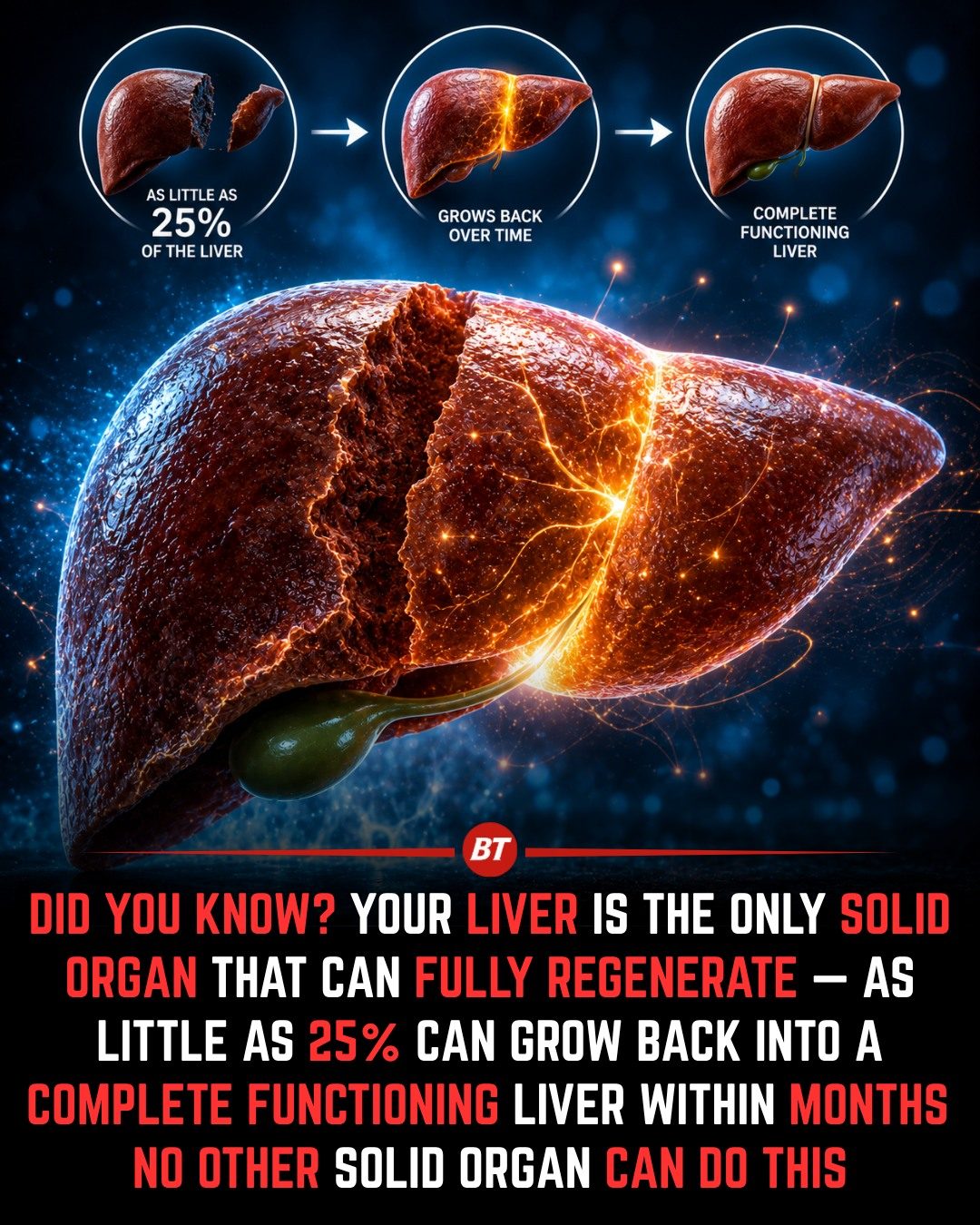
Liver Regeneration: The Remarkable Healing Power of the Liver
The liver is a vital organ with an extraordinary ability: it can regenerate. Unlike other solid organs, the liver can regenerate from as little as 25% of its original size. This unique capability allows it to restore its full function over time, making it a key player in maintaining overall health.
Context: Why This Matters
Understanding the liver's regenerative capabilities is crucial for several reasons. It helps in appreciating the organ's resilience, the importance of liver health, and the impact of lifestyle choices on this vital organ. The liver's ability to regenerate also has significant implications for medical procedures, such as living-donor transplantation, where a portion of the liver can be removed and will regrow in both the donor and the recipient.
The Liver's Regenerative Process
The liver's regenerative process is a complex and fascinating phenomenon. Here’s a deeper look into how it works:
How the Liver Regenerates
The liver’s regenerative process involves the rapid division of hepatocytes, the main liver cells. This process is controlled by a network of growth factors, hormones, and immune signals. When a portion of the liver is removed, these signals trigger the hepatocytes to re-enter the cell cycle and multiply, restoring the liver to its original size and function. This mechanism is what allows the liver to regenerate even from a very small remnant.
The Role of Hepatocytes
Hepatocytes are the primary cells responsible for the liver's regenerative capacity. Unlike many other organs that rely on stem cells for regeneration, the liver uses its mature hepatocytes. When a part of the liver is damaged or removed, these cells can re-enter the cell cycle and proliferate, effectively replacing the lost tissue. This rapid response is crucial for maintaining the liver's essential functions, such as filtering blood, processing nutrients, producing bile, and detoxifying harmful substances.
Timeframe for Regeneration
The liver's remarkable ability to regenerate can occur relatively quickly. In healthy individuals, the remaining portion of the liver can grow back to nearly its original size within weeks to months. This rapid regeneration is essential for the organ's role in maintaining overall health and for its resilience during medical procedures.
Factors Affecting Liver Regeneration
While the liver's regenerative capabilities are impressive, several factors can significantly affect its ability to heal and regenerate.
Chronic Liver Disease
Chronic conditions such as alcohol use, obesity, viral hepatitis, and long-term metabolic diseases can impair the liver's regenerative ability. These conditions can repeatedly injure the liver, leading to fibrosis and cirrhosis. Once extensive scar tissue replaces healthy liver cells, the organ's ability to regenerate becomes much more limited. This is why maintaining liver health is crucial for preserving its remarkable regenerative abilities.
Healthy Lifestyle Habits
Maintaining a healthy lifestyle can help protect and support the liver's regenerative capabilities. Habits such as:
- Maintaining a healthy weight
- Limiting alcohol consumption
- Staying physically active
- Eating a diet rich in fiber, vegetables, fruits, whole grains, beans, healthy fats, and lean protein
- Controlling blood sugar levels
can significantly reduce the risk of chronic liver disease. These practices help preserve the liver's ability to repair itself and maintain its essential functions.
Practical Tips for Supporting Liver Health
While the liver has an impressive ability to regenerate, it's important to support and protect it. Here are some practical tips for maintaining liver health:
Diet and Nutrition
A balanced and nutritious diet is essential for liver health. Focus on:
- Eating plenty of fiber-rich foods: Foods high in fiber, such as fruits, vegetables, and whole grains, help support liver function and reduce the risk of liver disease.
- Limiting processed foods and sugars: Foods high in sugar and unhealthy fats can contribute to liver inflammation and disease.
- Including lean protein: Protein is essential for repairing liver cells and maintaining overall health.
Lifestyle Choices
Lifestyle choices play a significant role in liver health. Consider the following:
- Staying hydrated: Drinking plenty of water helps the liver flush out harmful toxins and maintain its essential functions.
- Regular exercise: Physical activity helps reduce the risk of obesity, which is a significant contributor to liver disease.
- Limiting alcohol consumption: Excessive alcohol can damage liver cells and impair the organ's regenerative ability. Limit alcohol intake or avoid it altogether.
Important Takeaways
The liver's ability to regenerate is a remarkable feature that sets it apart from other solid organs. Here are the key takeaways:
- Regenerative Power: The liver can regenerate from as little as 25% of its original size.
- Quick Recovery: In healthy individuals, the liver can grow back to nearly its original size within weeks to months.
- Healthy Habits: Maintaining a healthy lifestyle can support and preserve the liver's regenerative capabilities.
- Avoiding Harmful Factors: Chronic conditions and unhealthy habits can impair the liver's ability to regenerate.
Conclusion
The liver's regenerative abilities are a testament to the body's incredible healing power. By understanding and supporting this process, we can take proactive steps to maintain our liver health. Whether through diet, lifestyle choices, or medical interventions, protecting and nurturing the liver ensures that it continues to perform its vital functions effectively. This knowledge is essential for maintaining overall health and well-being.
Watch the Reel
Recent articles
Fresh deep dives from the latest Reels we unpacked.




Comments
Be the first to comment.