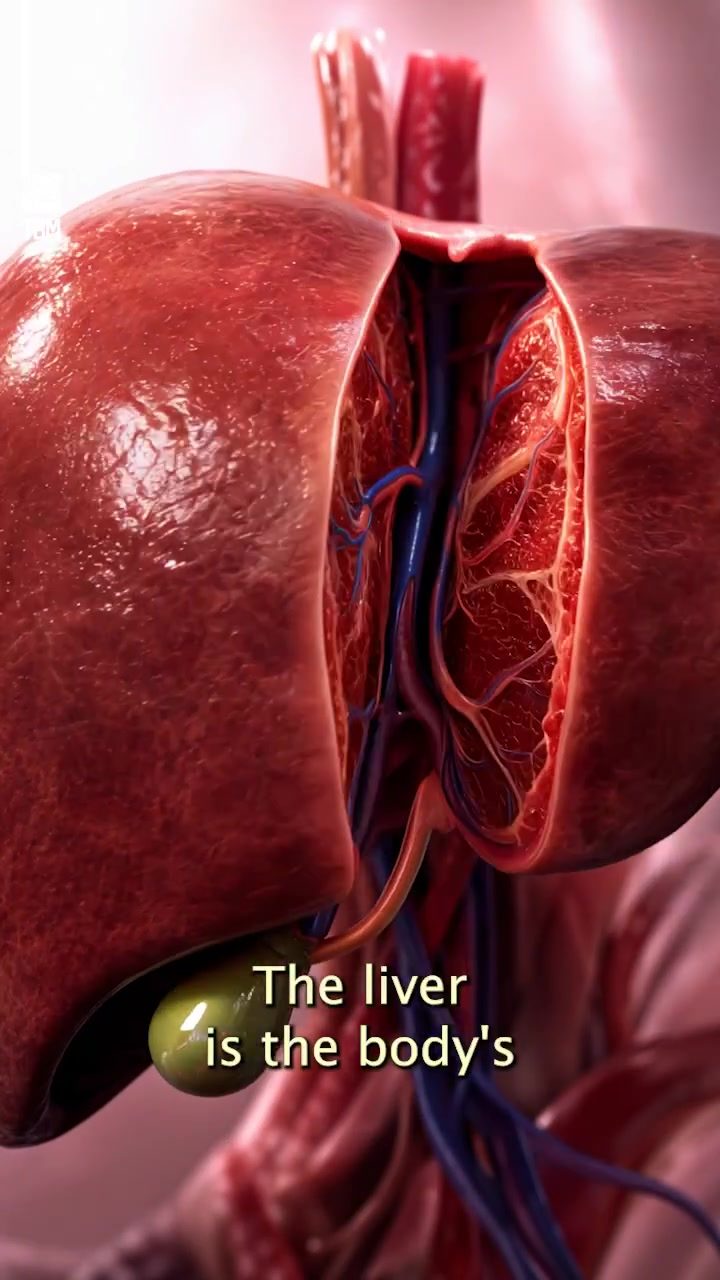
The Human Liver: A Powerhouse of Vital Functions
The human liver is a marvel of biological engineering, performing a staggering array of functions that are vital to life. Weighing just 1.5 kilograms, this organ is the largest internal organ in the human body and plays a crucial role in maintaining overall health. It filters blood, removes toxins, produces bile to digest fats, and much more.
Why the liver matters
The liver's role in the body is multifaceted and essential. It is responsible for a wide range of functions, including:
- Filtering blood and removing harmful toxins
- Producing bile to aid in the digestion of fats
- Storing essential vitamins and minerals, such as vitamins A, D, E, K, and B12
The liver's ability to perform these functions is critical to the body's overall health and well-being. It ensures that the body has the necessary nutrients and energy to function properly, and it helps to protect the body from harmful substances.
The Liver's Remarkable Functions
Blood Filtration and Detoxification
One of the liver's primary functions is to filter blood and remove harmful toxins. The liver receives blood from the digestive system, filtering out toxins and waste products before the blood reaches the rest of the body. This process is essential for maintaining the body's overall health and preventing the buildup of harmful substances.
Bile Production
The liver produces bile, a substance that aids in the digestion of fats. Bile is stored in the gallbladder and released into the small intestine when fat is present. This process helps to break down fats into smaller, more manageable molecules that can be absorbed by the body.
Nutrient Storage
The liver stores essential vitamins and minerals, such as vitamins A, D, E, K, and B12. These nutrients are necessary for a wide range of bodily functions, and the liver plays a crucial role in ensuring that the body has the necessary nutrients to function properly.
Blood Sugar Regulation
The liver also helps to regulate blood sugar levels by storing glucose and releasing it into the bloodstream as needed. This process is essential for maintaining stable blood sugar levels, which is critical for overall health and well-being.
Protein Synthesis
The liver synthesizes proteins that are crucial for blood clotting, immune function, and other essential bodily processes. These proteins help to maintain the body's overall health and well-being and are critical for preventing a wide range of health problems.
Hormone and Nutrient Processing
Before medicines, hormones, and nutrients reach the rest of the body, the liver processes them. This ensures that these substances are properly broken down and metabolized, allowing the body to use them effectively.
Regeneration
One of the most remarkable abilities of the liver is its capacity to regenerate. This means that even if a significant portion of the liver is damaged, it can often rebuild itself and continue to function normally. This ability is crucial for protecting the body from harm and ensuring that the liver can continue to perform its vital functions.
Practical Tips for Liver Health
Maintaining a healthy liver is essential for overall well-being. Here are some practical tips to keep your liver in optimal condition:
Healthy Diet
Eating a balanced diet rich in fruits, vegetables, whole grains, and lean proteins can help support liver health. Avoiding processed foods, sugary drinks, and excessive alcohol can also help to reduce the risk of liver damage.
Exercise Regularly
Regular physical activity can help to maintain a healthy weight and reduce the risk of liver disease. Aim for at least 30 minutes of moderate-intensity exercise most days of the week.
Limit Alcohol Consumption
Excessive alcohol consumption can lead to liver damage and increase the risk of liver disease. Limiting alcohol intake or avoiding it altogether can help to protect the liver and maintain overall health.
Get Vaccinated
Getting vaccinated against hepatitis A and B can help to prevent liver infections and reduce the risk of liver disease. These vaccinations are widely available and can be easily administered by a healthcare provider.
Avoid Toxins
Exposure to certain toxins, such as those found in pesticides, chemicals, and certain medications, can harm the liver. Taking steps to minimize exposure to these substances can help to protect liver health.
Regular Check-Ups
Regular medical check-ups and screenings can help to detect liver problems early and provide timely treatment. This is especially important for individuals with a family history of liver disease or other risk factors.
Important Takeaways
The human liver is a powerhouse of vital functions, performing over 500 essential tasks every second. Its roles in blood filtration, detoxification, bile production, nutrient storage, blood sugar regulation, protein synthesis, hormone and nutrient processing, and regeneration make it indispensable for overall health.
Key Liver Functions
- Filters blood and removes harmful toxins
- Produces bile to aid in fat digestion
- Stores essential vitamins and minerals
- Regulates blood sugar levels
- Synthesizes crucial proteins
- Processes medicines, hormones, and nutrients
- Regenerates damaged tissue
Liver Health Tips
- Eat a balanced diet
- Exercise regularly
- Limit alcohol consumption
- Get vaccinated against hepatitis
- Avoid exposure to toxins
- Regular medical check-ups
Conclusion
The human liver is a remarkable organ that plays a crucial role in maintaining overall health and well-being. Its ability to perform a wide range of functions, from filtering blood to producing bile and synthesizing proteins, makes it indispensable. By understanding the liver's functions and taking steps to maintain liver health, individuals can ensure that this vital organ continues to perform at its best, supporting a healthy and active life.
Watch the Reel
Questions readers ask
How does the liver filter blood and what makes this process important?
The liver filters blood by removing harmful substances, such as toxins, and breaking down waste products. This process is crucial for maintaining overall health, as it helps to prevent the buildup of harmful substances in the body. The liver's filtration system also plays a key role in supporting the immune system by removing bacteria and other pathogens from the blood.
What is the role of bile produced by the liver, and how does it aid in digestion?
The liver produces bile, a greenish-yellow fluid that is stored in the gallbladder and released into the small intestine. Bile aids in digestion by breaking down fats into smaller molecules, allowing them to be absorbed by the body. This process is essential for the digestion and absorption of fatty acids, cholesterol, and fat-soluble vitamins.
What essential vitamins and minerals does the liver store, and why is this important?
The liver stores several essential vitamins and minerals, including vitamins A, D, E, K, and B12. These vitamins play critical roles in various bodily functions, such as vision, blood clotting, and nerve function. By storing these nutrients, the liver helps to maintain a steady supply in the body, ensuring optimal health and well-being.
How does the liver contribute to energy production in the body?
The liver plays a critical role in energy production by converting nutrients from food into energy that the body can use. It helps to regulate blood sugar levels by storing and releasing glucose as needed, and also produces ketones, an alternative energy source, during periods of fasting or prolonged exercise.
What are the consequences of impaired liver function on overall health?
Impaired liver function can have serious consequences on overall health, as it affects the body's ability to filter blood, remove toxins, and produce bile. This can lead to a buildup of harmful substances in the body, poor digestion, and fatigue. Additionally, impaired liver function can also affect the body's ability to fight off infections and diseases, making it more susceptible to illness.
Why is the liver considered a vital organ, given its size relative to other organs?
Despite its weight of just 1.5 kilograms, the liver is considered a vital organ due to the vast array of functions it performs. It is responsible for a wide range of critical processes, including blood filtration, toxin removal, bile production, and nutrient distribution. Without a functioning liver, the body would be unable to maintain essential physiological processes, making it one of the most important organs in the body.
Can the liver regenerate, and if so, how does this process occur?
Yes, the liver has a remarkable ability to regenerate. Even if up to 75% of the liver is damaged or removed, the remaining tissue can regenerate and restore the liver to its original size and function. This process occurs through the division of existing liver cells, known as hepatocytes, which proliferate to replace the lost or damaged tissue. However, the liver's ability to regenerate can be affected by factors such as chronic liver disease, aging, and certain medications.
Related deep dives
Similar reads based on topic and creator.


Recent articles
Fresh deep dives from the latest Reels we unpacked.




Comments
Be the first to comment.