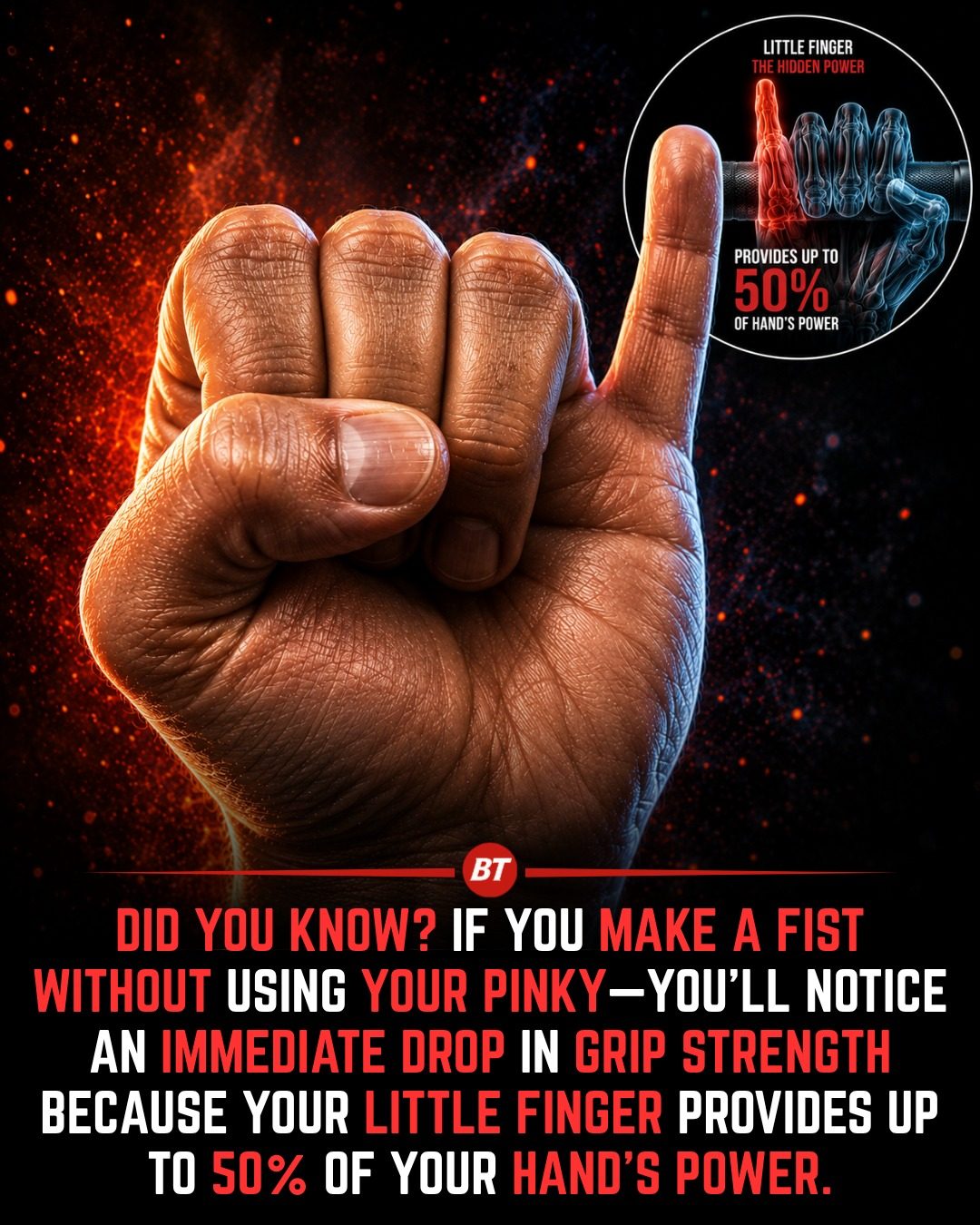
The Crucial Role of the Little Finger in Hand Strength
The little finger, often overlooked, plays a surprisingly significant role in overall hand strength. This small digit contributes up to 50% of the hand's gripping power, making it a vital component in various daily activities. Understanding the importance of the little finger can help improve grip strength and overall hand health.
Why This Matters
Hand strength is essential for many daily tasks, from opening jars to carrying groceries. The little finger, also known as the pinky, is crucial for maintaining a firm grip. Without it, the hand loses much of the leverage needed to firmly wrap around objects. This is why injuries to the little finger can significantly reduce hand function, even if the other four fingers are perfectly healthy. The little finger is connected to important muscles along the ulnar side of the hand and forearm, helping stabilize the wrist during lifting, carrying, climbing, and everyday activities.
Grip strength has become an important health marker. Studies have found that lower grip strength is associated with a higher risk of frailty, disability, cardiovascular disease, and premature death. This makes hand strength a simple yet effective way to assess overall physical function as we age.
The Role of the Little Finger in Grip Strength
The Little Finger's Contribution to Grip Power
Research in hand biomechanics has shown that the ring finger and little finger work together to generate a large portion of the hand's power grip. Studies estimate that the little finger contributes up to 30-50% of overall grip strength, depending on the task being performed. This means that the little finger provides up to 50% of the hand's power, making it a surprisingly powerful component of the hand.
The Experiment: Testing Grip Strength
To understand the importance of the little finger, try this simple experiment: make a tight fist, but keep your little finger straight. Now try gripping a heavy object or squeezing someone's hand. Most people notice an immediate drop in strength. This experiment demonstrates that the little finger plays a much bigger role than its size suggests.
The Little Finger and Hand Function
The little finger is connected to important muscles along the ulnar side of the hand and forearm. These muscles help stabilize the wrist during various activities, including lifting, carrying, climbing, and everyday tasks. This is why injuries to the little finger can significantly reduce hand function, even if the other four fingers are perfectly healthy.
Practical Tips to Improve Grip Strength
Incorporate Grip-Building Exercises
Incorporating exercises that target the little finger and overall grip strength can help improve hand function. Some effective exercises include:
- Farmer's Carries: Hold a heavy object in each hand and walk a set distance. This exercise engages the muscles in the hands, forearms, and shoulders.
- Dead Hangs: Hang from a pull-up bar with an overhand grip. This exercise targets the grip muscles and improves overall hand strength.
- Tennis Ball Squeezes: Squeeze a tennis ball repeatedly to improve grip strength and hand function.
- Towel Grips: Hold a towel with both hands and twist it to build grip strength and forearm endurance.
Focus on the Little Finger
When performing grip exercises, focus on engaging the little finger. This can help improve its contribution to overall grip strength. For example, when doing farmer’s carries, actively engage the pinky finger to hold the weight.
Incorporate Wrist Exercises
Engaging the wrist in exercises can also help improve overall hand strength. Wrist curls, wrist extensions, and wrist rotations can help build the muscles in the forearm and hand, improving grip strength.
Important Takeaways
Maintaining a strong grip is essential for overall hand health and function. The little finger plays a crucial role in this, providing up to 50% of the hand's power. Regularly performing exercises that target the little finger and overall grip strength can help improve hand function and overall physical health.
Conclusion
The little finger, often overlooked, is a powerful component of the hand. It contributes up to 50% of the hand's gripping power and is connected to important muscles that help stabilize the wrist. By understanding the importance of the little finger and incorporating exercises that target grip strength, you can improve hand function and overall physical health.
Watch the Reel
Questions readers ask
How does the little finger contribute to overall grip strength?
The little finger, or pinky, contributes up to 50% of the hand's gripping power. It helps in maintaining a firm grasp by providing the necessary leverage to wrap around objects securely. This makes it a vital component in various daily activities and exercises that enhance overall hand strength.
What happens if the little finger is injured?
An injury to the little finger can significantly reduce hand function, even if the other four fingers are unharmed. This is because the little finger plays a crucial role in providing the leverage and stability needed for a firm grip, making it essential for many daily tasks.
What are some exercises to improve little finger strength?
To improve little finger strength, consider exercises such as pinch grips using small objects like coins or clothespins, or trying pinky finger curls. Additionally, practicing finger abductions and adductions with resistance bands can help enhance the little finger's functionality and overall grip power.
Can I improve grip strength without using weights?
Yes, there are numerous ways to improve grip strength without weights. Exercises like squeezing a stress ball, performing finger stretches, and using grip trainers can all help. Incorporating activities that engage the little finger, such as writing or playing certain musical instruments, can also contribute to enhanced grip strength.
Why is the little finger important for hand health?
The little finger is important for hand health because it significantly contributes to the hand's overall strength and stability. Strengthening the little finger can help prevent injuries, improve dexterity, and enhance the ability to perform daily tasks that require a firm grip and precise movements.
What are some tips for maintaining good hand grip strength?
To maintain good hand grip strength, regularly incorporate exercises that target the little finger and overall hand muscles. Using tools like grip strengtheners, resistance bands, and squeezable objects can help. Additionally, practicing good posture and taking breaks during repetitive tasks can prevent strain and maintain hand health.
How can I incorporate little finger exercises into my daily routine?
You can incorporate little finger exercises into your daily routine by performing simple tasks like pinching objects, using a pair of tweezers, or playing with small objects. Additionally, take breaks from repetitive tasks to do specific pinky finger exercises, such as extending and flexing the little finger, to enhance its strength and flexibility.
Recent articles
Fresh deep dives from the latest Reels we unpacked.




Comments
Be the first to comment.