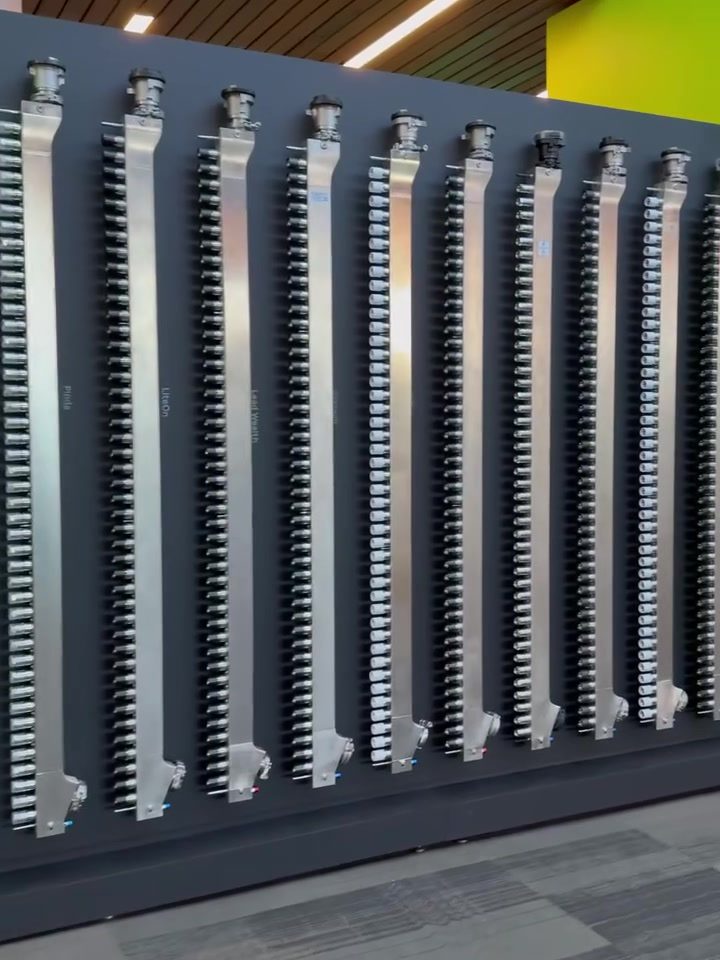
Liquid-cooled Busbars and Power Distribution
Busbars are crucial components in industrial power distribution systems, ensuring efficient and safe electrical connections. Among the various types of busbars available, liquid-cooled busbars stand out for their advanced cooling capabilities. These busbars are designed to handle high current loads while maintaining optimal performance and safety. Let's delve into the specifics of liquid-cooled busbars, their applications, and why they are essential in modern industrial settings.
Context / Why This Matters
In industrial settings, managing high electrical loads is a critical challenge. Traditional busbars can overheat, leading to inefficiency and potential safety hazards. Liquid-cooled busbars address this issue by using a liquid cooling system to dissipate heat effectively. This technology is particularly important in high-demand environments such as data centers, industrial machinery, and large-scale manufacturing facilities. By ensuring stable and efficient power distribution, liquid-cooled busbars help prevent downtime and enhance overall operational reliability.
Main Discussion
Understanding Liquid-Cooled Busbars
Liquid-cooled busbars incorporate a cooling system that uses a liquid coolant to absorb and dissipate heat generated by high electrical currents. This cooling mechanism ensures that the busbar operates within a safe temperature range, preventing overheating and potential failures. The liquid coolant is typically circulated through the busbar via a closed-loop system, which can be water, oil, or a specialized coolant depending on the application.
Key Components of Liquid-Cooled Busbars
- Conductive Materials: High conductivity materials such as copper or aluminum are used to ensure efficient electrical conduction.
- Cooling Channels: Integrated cooling channels within the busbar allow the liquid coolant to flow through, absorbing heat.
- Sealing and Insulation: Proper sealing and insulation are crucial to prevent leaks and ensure electrical safety.
- Heat Exchangers: These components facilitate the transfer of heat from the coolant to a secondary cooling system, such as air or water coolers.
Applications in Industrial Settings
Liquid-cooled busbars are commonly used in various industrial settings where high electrical loads and continuous operation are required. Some of the key applications include:
- Data Centers: Ensuring uninterrupted power supply to servers and other critical equipment.
- Manufacturing Facilities: Supporting high-power machinery and automation systems.
- Power Distribution Centers: Managing large-scale power distribution in industrial parks and commercial buildings.
- Renewable Energy Systems: Supporting the power distribution from renewable energy sources like solar and wind farms.
Advantages of Liquid-Cooled Busbars
- Enhanced Cooling Efficiency: The use of liquid coolant provides superior heat dissipation compared to traditional air-cooled systems.
- Improved Reliability: By maintaining optimal operating temperatures, liquid-cooled busbars reduce the risk of failures and downtime.
- Increased Load Capacity: These busbars can handle higher current loads, making them suitable for high-demand applications.
- Energy Savings: Efficient heat management can lead to reduced energy consumption and lower operational costs.
Vera Rubin Busbars: A Leading Example
Vera Rubin, a reputable manufacturer in the industrial equipment sector, offers a range of high-quality busbars, including their liquid-cooled models. The Vera Rubin 500A Liquid-cooled Busbar and Vera Rubin NVL2 HPM Busbar are notable examples, designed to meet the demanding requirements of modern industrial applications. These models incorporate advanced cooling technologies to ensure reliable and efficient power distribution.
Practical Tips
Selecting the Right Liquid-Cooled Busbar
When choosing a liquid-cooled busbar, consider the following factors:
- Current Rating: Ensure the busbar can handle the required current load for your application.
- Cooling Capacity: Assess the cooling capacity to match the heat dissipation needs.
- Material Quality: Opt for high-conductivity materials that offer long-term durability and efficiency.
- Compatibility: Ensure the busbar is compatible with your existing power distribution infrastructure.
- Maintenance Requirements: Consider the ease of maintenance and the availability of replacement parts.
Installation and Maintenance
Proper installation and regular maintenance are essential for the optimal performance of liquid-cooled busbars. Follow these tips:
- Professional Installation: Always use certified professionals for installation to ensure safety and compliance with standards.
- Regular Inspections: Conduct routine inspections to check for any signs of wear, leaks, or other issues.
- Cooling System Maintenance: Regularly clean and maintain the cooling system to ensure efficient heat dissipation.
- Environmental Conditions: Operating within recommended temperature and humidity ranges can extend the lifespan of the busbar.
Important Takeaways
- Liquid-cooled busbars are essential for managing high electrical loads in industrial settings.
- These busbars provide enhanced cooling efficiency, improved reliability, and increased load capacity.
- Key components include conductive materials, cooling channels, and heat exchangers.
- Vera Rubin offers high-quality liquid-cooled busbars designed for demanding applications.
- Proper selection, installation, and maintenance are crucial for optimal performance.
Conclusion
Liquid-cooled busbars represent a significant advancement in power distribution technology, offering superior cooling and reliability for high-demand applications. By understanding the key components, applications, and maintenance requirements, you can make informed decisions to enhance the efficiency and safety of your power distribution systems. Whether in data centers, manufacturing facilities, or renewable energy systems, liquid-cooled busbars play a critical role in ensuring stable and efficient power supply.
Watch the Reel
Questions readers ask
What are liquid-cooled busbars and how do they differ from traditional busbars?
Liquid-cooled busbars are electrical conductors that use a liquid cooling system to manage heat generated by high current loads. Unlike traditional busbars, which rely on passive cooling methods, liquid-cooled busbars actively dissipate heat, reducing the risk of overheating and enhancing overall safety and reliability.
In which industries are liquid-cooled busbars commonly used?
Liquid-cooled busbars find applications in various industries with demanding electrical systems, including data centers, manufacturing plants, and renewable energy facilities. These industries benefit from the efficient power distribution and enhanced safety features provided by liquid-cooled busbars.
How does liquid cooling technology improve busbar safety?
Liquid cooling technology prevents overheating by continuously removing heat from the busbar. This not only improves the lifespan of the busbar but also reduces the risk of electrical fires and other safety hazards, making it a vital upgrade for industrial power management.
Can liquid-cooled busbars handle higher current loads than traditional busbars?
Yes, liquid-cooled busbars are specifically designed to handle high current loads more efficiently than traditional busbars. The liquid cooling system allows these busbars to operate at higher currents without the risk of overheating, making them ideal for high-current applications.
What are the key benefits of upgrading to liquid-cooled busbars?
Upgrading to liquid-cooled busbars offers several key benefits, including improved efficiency, enhanced safety, and reduced maintenance requirements. These advanced busbar solutions contribute to the longevity of electrical systems and minimize downtime.
How does the liquid cooling system in busbars work?
The liquid cooling system in busbars usually involves a continuous flow of coolant, such as water or a specialized liquid, through channels within the busbar. The liquid absorbs heat from the busbar and then circulates through a heat exchanger, maintaining optimal operating temperatures.
What kind of maintenance do liquid-cooled busbars require?
Liquid-cooled busbars generally require regular maintenance to ensure the cooling system functions properly. This includes checking the coolant levels, inspecting the cooling channels for any blockages, and ensuring the heat exchanger operates efficiently. Regular maintenance helps maintain the high performance and safety of the busbars.
Recent articles
Fresh deep dives from the latest Reels we unpacked.




Comments
Be the first to comment.