Understanding the LINX Reflux Management System
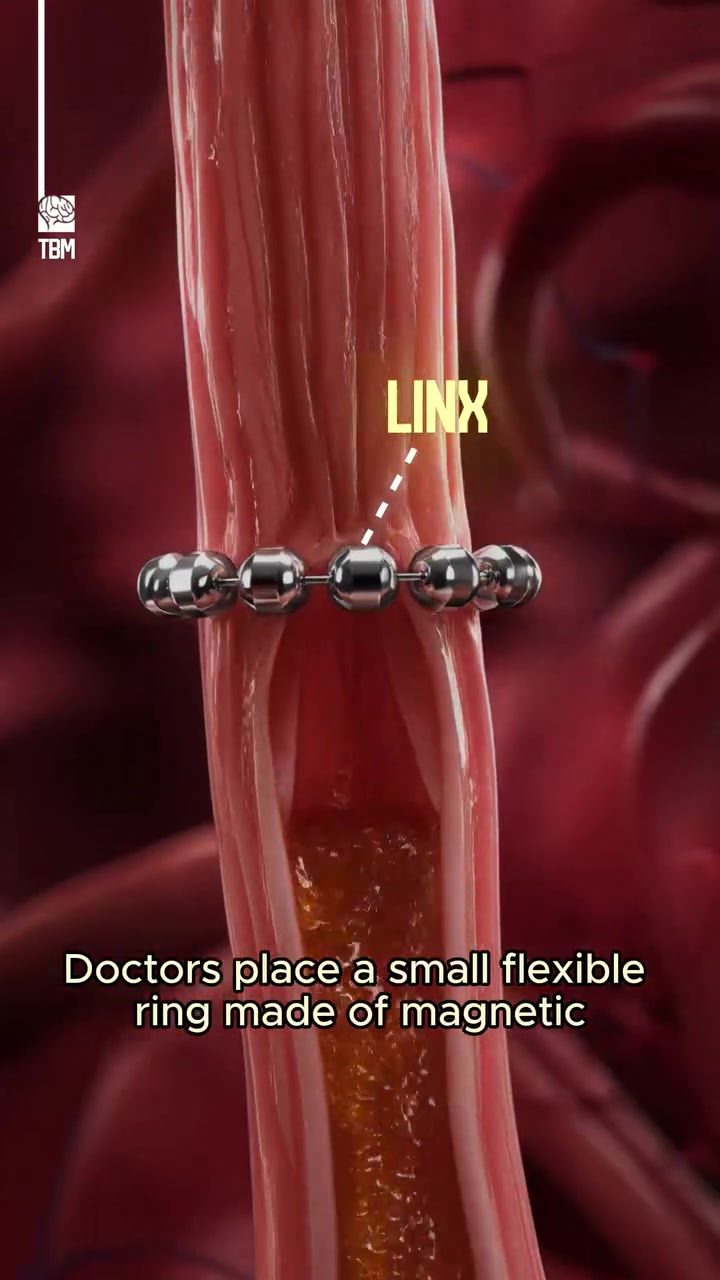
The LINX Reflux Management System is a innovative medical device designed to manage acid reflux, a condition that affects millions of people worldwide. This system uses a small, flexible ring made of magnetic titanium beads, placed around the lower end of the esophagus, to help keep stomach acid from flowing back up into the food pipe.
Why This Matters
Acid reflux, also known as gastroesophageal reflux disease (GERD), occurs when the muscle at the bottom of the esophagus, called the lower esophageal sphincter (LES), becomes weak or relaxes inappropriately. This allows stomach acid to flow back into the esophagus, causing heartburn and other uncomfortable symptoms. While lifestyle changes and medication can often manage symptoms, they do not always provide sufficient relief. This is where the LINX system comes into play, offering a more permanent solution for those who need it.
Main Discussion
How the LINX System Works
The LINX Reflux Management System consists of a small, flexible ring made of magnetic titanium beads. This ring is surgically placed around the lower end of the esophagus, just above the stomach. The magnetic beads in the ring work by gently keeping the LES closed, preventing stomach acid from flowing back up into the esophagus. However, the ring is designed to open during swallowing, allowing food and drinks to pass into the stomach normally. This unique design ensures that the device does not interfere with the natural process of eating and drinking.
The Procedure
The placement of the LINX device is a minimally invasive procedure typically performed laparoscopically. This means that the surgery is done through small incisions in the abdomen, reducing recovery time and minimizing scarring. During the procedure, the surgeon wraps the magnetic ring around the lower esophagus. Once in place, the device’s magnetic properties help keep the LES closed, preventing acid reflux while allowing for normal swallowing.
When to Consider the LINX System
The LINX Reflux Management System is usually recommended for individuals who have tried lifestyle changes and medication but continue to experience significant acid reflux symptoms. Lifestyle changes such as maintaining a healthy weight, avoiding trigger foods, eating smaller meals, and not lying down for at least two to three hours after eating can help reduce acid reflux symptoms. However, for those who do not find relief through these methods, the LINX system offers a more robust solution.
Practical Tips
Lifestyle Changes to Manage Acid Reflux
While the LINX system is a medical procedure, making lifestyle changes can also significantly reduce acid reflux symptoms. Here are some practical tips to consider:
- Maintain a Healthy Weight: Excess weight, particularly around the abdomen, can put pressure on the LES, causing it to weaken. Losing weight can help reduce this pressure and alleviate symptoms.
- Avoid Trigger Foods: Certain foods and beverages, such as spicy or fatty foods, citrus fruits, chocolate, mint, garlic, onions, and carbonated drinks, can trigger acid reflux. Identifying and avoiding these triggers can help manage symptoms.
- Eat Smaller Meals: Eating large meals can put pressure on the LES, causing it to relax and allow stomach acid to flow back up. Eating smaller, more frequent meals can help reduce this pressure.
- Do Not Lie Down After Eating: Lying down soon after a meal can make it easier for stomach acid to flow back up into the esophagus. Waiting at least two to three hours after eating before lying down can help prevent this.
Preparing for the LINX Procedure
If you are considering the LINX Reflux Management System, it is important to discuss the procedure with your healthcare provider. They can provide detailed information about the risks and benefits and help you determine if the procedure is right for you. Typically, the procedure is recommended for individuals who:
- Have been diagnosed with GERD.
- Have tried lifestyle changes and medication without success.
- Are experiencing significant symptoms that affect their quality of life.
Post-Procedure Care
After the LINX procedure, it is important to follow your healthcare provider's instructions for a smooth recovery. This may include:
- Pain Management: You may experience some discomfort after the procedure. Your healthcare provider will prescribe pain medication to help manage this.
- Dietary Changes: You may need to follow a special diet for a few days or weeks after the procedure. This typically involves eating smaller, more frequent meals and avoiding trigger foods.
- Follow-Up Appointments: Regular follow-up appointments with your healthcare provider are essential to monitor your progress and ensure that the device is working properly.
Important Takeaways
The LINX Reflux Management System offers a novel approach to managing acid reflux, providing relief for those who do not find sufficient help through lifestyle changes and medication. Its unique design allows for normal swallowing while preventing stomach acid from flowing back into the esophagus. Understanding the benefits and the procedure involved can help individuals make informed decisions about their treatment options.
Conclusion
Acid reflux is a common condition that can significantly impact quality of life. For those who do not find relief through lifestyle changes and medication, the LINX Reflux Management System offers a promising solution. Understanding how the device works, the procedure involved, and practical tips for managing acid reflux can help individuals navigate this condition more effectively and improve their overall well-being. If you are considering the LINX system, consult with your healthcare provider to determine if it is the right choice for you.
Watch the Reel
Questions readers ask
What is the LINX Device and how does it work?
The LINX Device is a small, flexible ring composed of magnetic titanium beads. It is surgically implanted around the lower esophagus to reinforce the lower esophageal sphincter (LES), preventing stomach acid from flowing back up into the esophagus. This helps manage symptoms of acid reflux, also known as GERD.
Who is a suitable candidate for the LINX system?
Suitable candidates for the LINX system are individuals who experience chronic acid reflux symptoms and have not achieved adequate relief through lifestyle changes or medication. Typically, those with severe or persistent GERD who desire long-term management can benefit from this procedure.
What should I expect after the LINX Device surgery?
After the LINX Device surgery, patients generally experience a short recovery period. Most individuals can return to normal activities within a few days and can resume eating normally. However, it is recommended to follow post-operative guidelines provided by the healthcare provider to ensure proper healing.
What are the benefits of the LINX Device over other acid reflux treatments?
The LINX Device offers a minimally invasive solution for acid reflux management, providing long-term relief from symptoms. Unlike medications that require ongoing use, the LINX Device is a permanent implant that can significantly improve quality of life for those with GERD. Additionally, it allows patients to continue eating and drinking as usual.
Can the LINX Device be removed if needed?
Yes, the LINX Device can be removed if necessary. While the device is designed to be permanent, there are situations where removal might be required. The procedure to remove the LINX Device is typically straightforward and can be discussed with a healthcare provider if concerns arise.
Related deep dives
Similar reads based on topic and creator.


Recent articles
Fresh deep dives from the latest Reels we unpacked.




Comments
Be the first to comment.