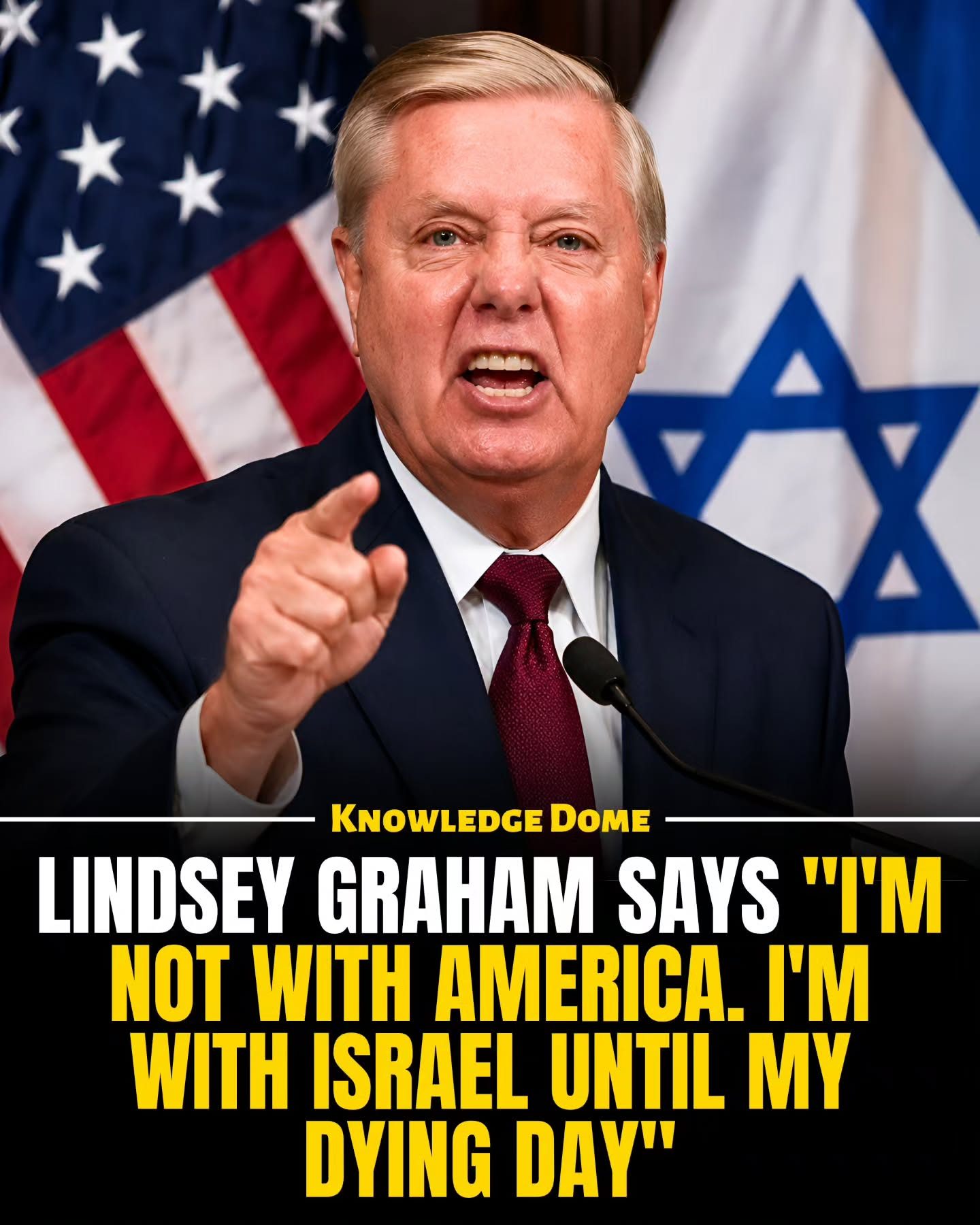
Lindsey Graham's Quote on Israel
There's been a recent resurgence of a quote from the late U.S. Senator Lindsey Graham: “I’m not with you, I’m with Israel, until my dying day.” This statement, uttered by the senator, has sparked renewed debate and discussion about his unwavering support for Israel and the broader implications of such a stance for American foreign policy. Graham, who passed away at the age of 71 after a sudden illness, was renowned for his vocal and firm stance on foreign policy, particularly his strong support for Israel.
Context / Why This Matters
Lindsey Graham's quote has gained significant attention, not only because of its absolute nature but also because it highlights a complex intersection of American and Israeli politics. Graham's position resonates with many who advocate for strong U.S.-Israel relations, but it also invites scrutiny and debate about the priorities and loyalties of American leaders.
Main Discussion
Graham's Stance on Israel
Graham's unwavering support for Israel was a central pillar of his political career. His quote encapsulates a sentiment that has been consistent throughout his political life: an unyielding commitment to Israel's security and well-being. This stance was evident in his numerous speeches and legislative efforts aimed at fortifying U.S.-Israel ties.
The Political Landscape
Grahams' quote comes at a time when U.S.-Israel relations are continually evolving. The U.S. has long been a staunch ally of Israel, but the dynamics of this relationship can shift with changes in leadership and geopolitical events. Graham's statement is seen by some as a symbolic representation of the enduring nature of this alliance, regardless of personal or political changes.
International Reactions
Graham's passing was met with tributes from Israeli leaders, including Prime Minister Benjamin Netanyahu, who praised him as a close friend and one of Israel’s strongest supporters. This international recognition underscores the significance of Graham's support for Israel on the global stage.
Debates and Critiques
The quote has also sparked debates about what American leaders should prioritize. Some view it as a strong sign of loyalty to Israel, while others question whether such a firm stance diverts attention from other critical issues that U.S. leaders should be addressing.
Practical Tips
For those looking to understand the nuances of U.S.-Israel relations and the implications of such political statements, here are some practical steps:
1. Stay Informed
Keep up with the latest news and developments in U.S.-Israel relations. This can provide context for understanding why certain statements or policies are made.
2. Engage in Open Dialogue
Participate in discussions and debates about foreign policy. Hearing different perspectives can offer a more comprehensive understanding.
3. Explore Historical Context
Understand the historical background of U.S.-Israel relations. This can give you a deeper appreciation for the context behind political statements like Graham's.
Important Takeaways
- Strong Ally: Graham's quote underscores his strong support for Israel, which has been a consistent theme in his political career.
- Political Debate: The quote has sparked debates about the priorities of American leaders and the nature of U.S.-Israel relations.
- International Recognition: Graham's support for Israel was recognized and appreciated by Israeli leaders, highlighting the significance of his stance on the international stage.
- Ongoing Discourse: The resilience of Graham's quote in public discourse underscores the enduring relevance of his political views and the ongoing importance of U.S.-Israel relations.
Conclusion
Lindsey Graham's quote, "I’m not with you, I’m with Israel, until my dying day," encapsulates a profound statement of loyalty and support. It serves as a reminder of the complexities and significance of U.S.-Israel relations. As debates continue, understanding the nuances of such statements can provide valuable insights into the broader landscape of international politics and foreign policy.
Watch the Reel
Questions readers ask
What is the significance of Lindsey Graham's quote about Israel?
The quote underscores Graham's unwavering commitment to Israel, which has sparked discussions about American foreign policy, the U.S.-Israel alliance, and the priorities of American leaders.
Why has Lindsey Graham's quote resurfaced recently?
The quote has resurfaced due to renewed interest in Graham's political legacy and his firm stance on Israel, which has sparked debate about the loyalties and priorities of American leaders.
What did Lindsey Graham mean by 'I’m not with you, I’m with Israel, until my dying day'?
Graham's statement emphasized his unyielding support for Israel, indicating that his allegiance to Israel was paramount, regardless of other political considerations or personal relationships.
How did Lindsey Graham's support for Israel influence his political career?
Graham's strong support for Israel was a defining aspect of his political career. He consistently advocated for a robust alliance between the U.S. and Israel, influencing American foreign policy and U.S.-Israel relations.
What are the implications of Lindsey Graham's quote for American foreign policy?
The quote highlights the complex interplay between American and Israeli politics, sparking discussions about the extent to which American leaders should publicly align with foreign nations, and how such alliances should be managed.
How has Lindsey Graham's quote impacted discussions about American leaders and their loyalties?
Graham's quote has intensified debates about where the loyalties of American leaders should lie, particularly in the context of their relationships with foreign nations, and what priorities they should uphold in their foreign policy.
What makes Lindsey Graham's stance on Israel notable in the context of U.S. foreign policy?
Graham's stance is notable for its absoluteness and the strong language he used to express his support. His quote has become a focal point for discussions about the U.S. commitment to Israel and the broader implications of such strong, public alignment.
Related deep dives
Similar reads based on topic and creator.


Recent articles
Fresh deep dives from the latest Reels we unpacked.




Comments
Be the first to comment.