The Vast Scale of Space: How Light Travels Through the Solar System
Light is the fastest thing in the universe, traveling at an astonishing speed of nearly 300,000 kilometers per second. Yet, even at this incredible velocity, light requires significant time to traverse the vast distances within our Solar System. Understanding these distances provides a deeper appreciation for the immense scale of space.
Why This Matters
The sheer size of the Solar System is often difficult to grasp. Planets appear as tiny dots in the night sky, and the empty voids between them seem insignificant. However, the actual distances between celestial bodies are far greater than they appear. By examining how light, the fastest known entity, travels through space, we can better comprehend the vastness of the universe.
The Journey of Light
From Earth to the Moon
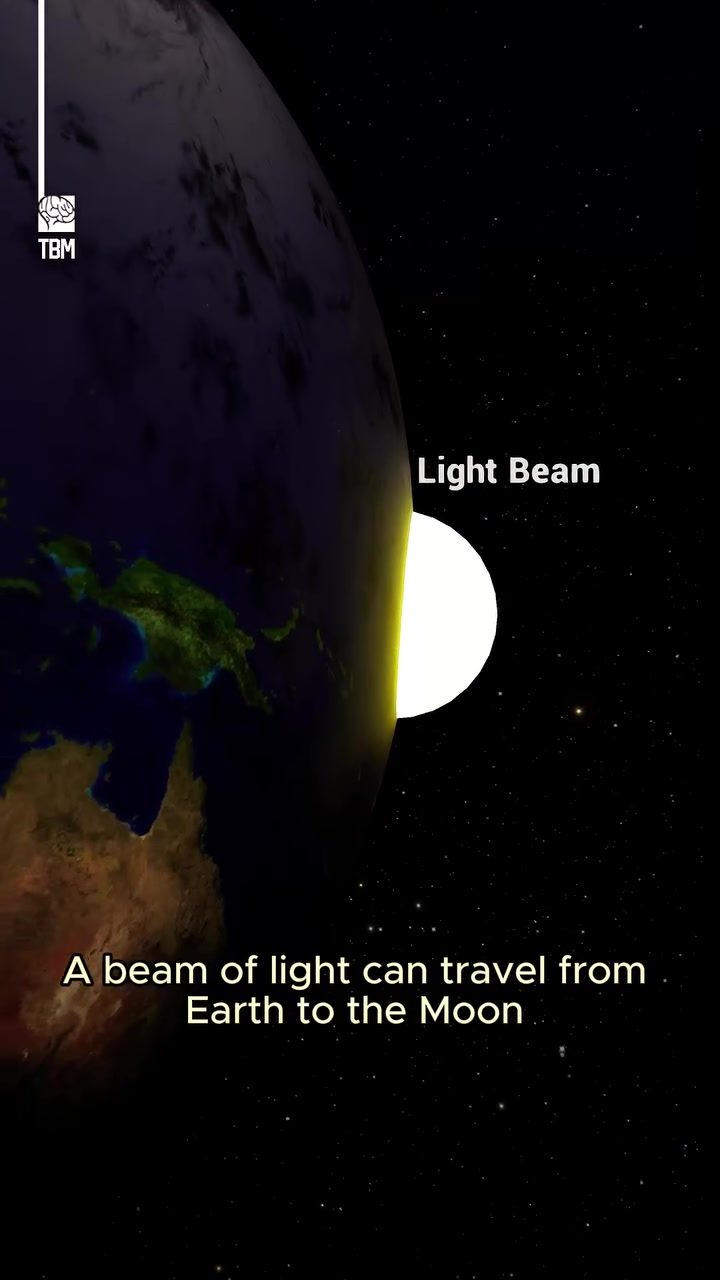
A beam of light can journey from Earth to the Moon in approximately 1.3 seconds, covering nearly 384,000 kilometers. This distance, while vast by human standards, is relatively small compared to the distances between planets. In a simulation, this journey appears instantaneous, but as the simulation progresses to include greater distances, the scale of space becomes more apparent.
To Mercury and Venus
The distance to Mercury, the closest planet to the Sun, is about 77 million kilometers from Earth. Light takes roughly 4.5 minutes to travel this distance. Venus, which is roughly 38 million kilometers away, takes about 2.5 minutes for a light beam to reach. These distances are significant and highlight the obstacles that space exploration must overcome.
To Mars
Mars, often referred to as the Red Planet, is approximately 54.6 million kilometers from Earth. It takes light about 3.5 minutes to travel from the Earth to Mars, showcasing the expanse of space between the two planets. The vast distances involved make it challenging to explore Mars and other celestial bodies.
To the Gas Giants
The journey to the outer planets takes much longer. Jupiter, the largest planet in our Solar System, is roughly 1.20 billion kilometers from Earth. Light takes about 66.7 minutes to travel this distance. Saturn, another gas giant, is also approximately 1.20 billion kilometers away, requiring the same amount of time for a light beam to traverse the distance. These distances illustrate the immense scale of the Solar System and the challenges of space travel.
Practical Tips for Understanding Space Distances
Use Scales and Simulations
Visualizing the vast distances in space can be challenging. Using scales and simulations can help provide a better understanding. For example, a scale model of the Solar System can give a sense of the relative distances between planets.
Light Travel Time
Calculating the travel time of light between celestial bodies is a practical way to grasp the immense distances. The speed of light is consistent, so measuring the time it takes to travel between two points can give a clear indication of the distance.
Observe the Night Sky
Looking at the night sky can also provide a practical way to visualize the vast distances. While the planets appear close, they are actually separated by millions of kilometers. This observation can help put the scale of space into perspective.
Important Takeaways
-
The Speed of Light: Light travels at nearly 300,000 kilometers per second, making it the fastest known entity in the universe. However, the vast distances in space mean that even light takes significant time to travel between planets.
-
Distances in Space: The distances between celestial bodies are far greater than they appear. For example, it takes light about 1.3 seconds to travel from Earth to the Moon, but it takes over an hour to travel to Jupiter and Saturn.
-
The Scale of the Solar System: The Solar System is an immense expanse of space. By understanding the distances involved, we can better appreciate the challenges of space exploration and the vastness of the universe.
Conclusion
The journey of light through the Solar System provides a tangible way to understand the immense scale of space. From the relatively short trip to the Moon to the lengthy voyages to the outer planets, these distances highlight the challenges and wonders of space exploration. By visualizing these journeys and considering the speed of light, we gain a deeper appreciation for the true vastness of our universe.
Watch the Reel
Questions readers ask
What is the speed of light in space and how does it help us understand the Solar System?
The speed of light in space is approximately 300,000 kilometers per second. This speed is a constant that helps us measure the vast distances between celestial bodies in the Solar System. By calculating how long it takes light to travel between planets, we can better appreciate the immense scale of space.
How long does it take for light to travel from the Earth to the Moon?
Light takes about 1.3 seconds to travel from the Earth to the Moon. This relatively short travel time highlights the vast distances in space, as even the nearest celestial body is far away.
What is the light travel time to Jupiter?
Light takes about 35 to 52 minutes to travel from the Earth to Jupiter, depending on the planets' positions in their orbits. This significant travel time emphasizes the enormous distance between Earth and the gas giants.
How can a light travel time simulator help in understanding space distances?
A light travel time simulator is a useful tool that allows users to input different celestial bodies and see how long it takes light to travel between them. This visual representation helps in grasping the immense distances and the time it takes for light to cover these vast expanses.
What is the light travel time across the Solar System?
The light travel time across the Solar System varies greatly depending on the specific distances between planets. For example, it takes about 8 minutes for light to travel from the Earth to the Sun, and approximately 4.3 hours to reach Neptune from the Sun.
Why is understanding the time it takes for light to travel through the Solar System important?
Understanding the time it takes for light to travel through the Solar System helps in comprehending the vast distances between celestial bodies. It provides a tangible sense of the immense scale of space and the challenges involved in space exploration and communication.
What is the time it takes for light to travel from the Sun to the outer planets?
The time it takes for light to travel from the Sun to the outer planets varies significantly. For instance, it takes about 5.3 hours for light to reach Uranus and approximately 4.3 hours to reach Neptune. These travel times underscore the immense distances involved.
Related deep dives
Similar reads based on topic and creator.

Recent articles
Fresh deep dives from the latest Reels we unpacked.




Comments
Be the first to comment.