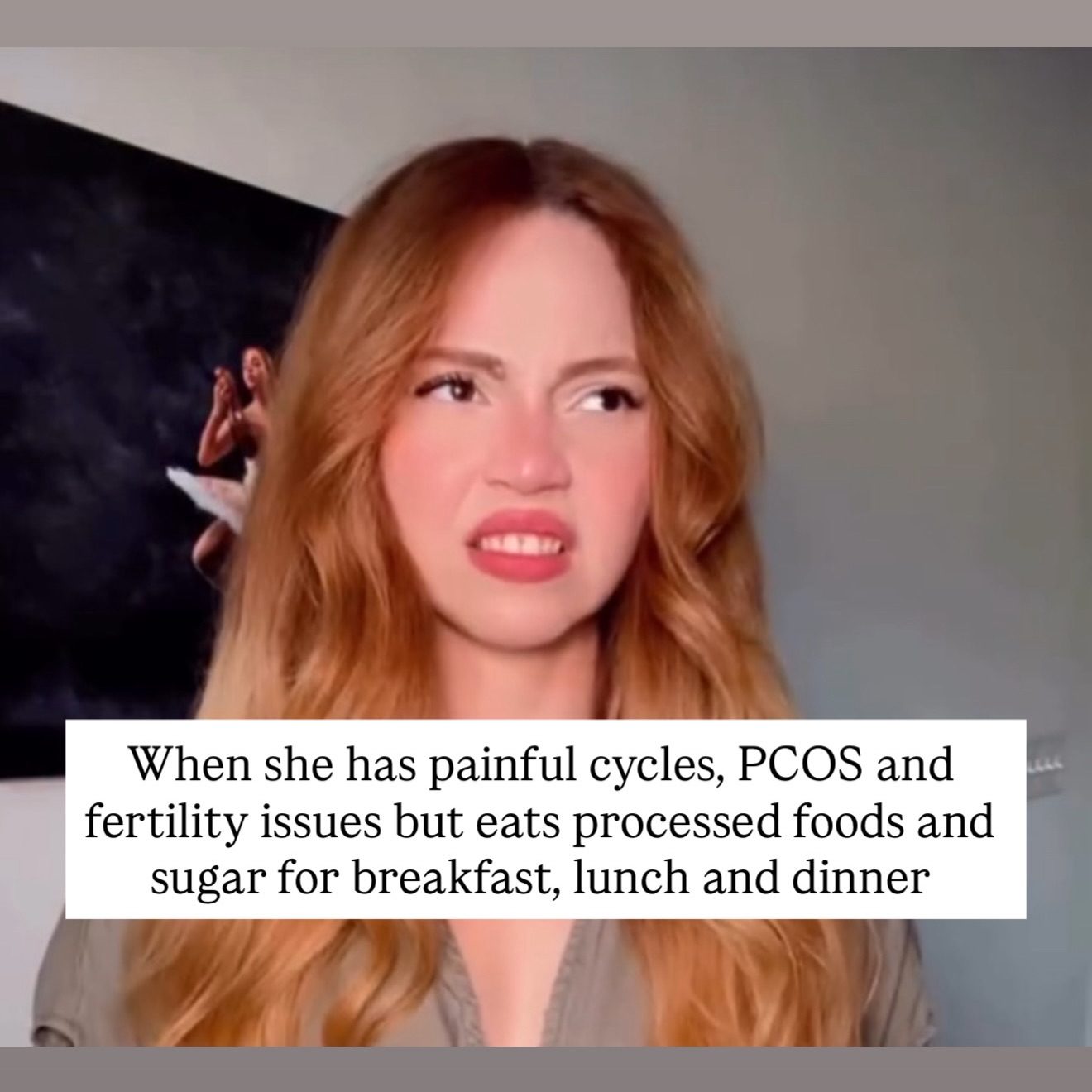
PCOS and Lifestyle Choices
Polycystic ovary syndrome (PCOS) is a common endocrine disorder affecting many people, especially those of reproductive age. Managing PCOS can be challenging, but lifestyle choices play a crucial role in alleviating symptoms and improving overall health. Let’s explore how certain dietary and product choices can impact hormonal health and PCOS symptoms.
Why This Matters
Understanding the connection between lifestyle choices and PCOS is essential for improving quality of life. By making informed decisions about diet and personal care products, individuals can better manage their symptoms and promote hormonal balance.
Main Discussion
The Impact of Processed Foods and Excess Sugar
Processed foods and excess sugar consumption can significantly impact hormonal health. Ultra-processed foods are often loaded with synthetic additives, inflammatory oils, and chemicals that can disrupt gut health, metabolism, and hormone balance. These foods are designed to be addictive and can lead to overeating, contributing to weight gain and further complicating hormonal issues.
Excess sugar, in particular, can spike insulin levels, leading to weight gain and disrupting hormonal balance. This is especially problematic for those with PCOS, as insulin resistance is a common issue. High insulin levels can exacerbate symptoms such as irregular periods, acne, and excessive hair growth.
Solutions for a Healthier Diet
To support fertility and hormone health, focus on nutrient-dense foods. Opt for red meat, eggs, raw dairy, oysters, and salmon roe. These foods are rich in essential nutrients that can help balance hormones and improve overall health. Red meat, for example, is high in iron and protein, which are crucial for maintaining energy levels and supporting reproductive health. Eggs are a great source of vitamin D and choline, both of which play a role in hormone regulation. Raw dairy products provide beneficial bacteria that support gut health, which is closely linked to hormonal balance.
The Role of Conventional Feminine Products
Conventional feminine hygiene products, such as pads and tampons, often contain harmful chemicals. These can include forever chemicals, BPA, heavy metals, fragrances, and other toxins that may contribute to hormone disruption and irritation in the reproductive system. The synthetic materials in these products can also exacerbate symptoms of PCOS, such as irritability and discomfort.
Switching to Safer Alternatives
To minimize exposure to harmful chemicals, consider switching to organic cotton or hemp feminine hygiene products. These products are made from natural, breathable materials that are less likely to cause irritation and hormone disruption. Look for brands that prioritize clean ingredients and rigorous testing to ensure safety and efficacy.
The Effects of Synthetic Fabrics
Synthetic fabrics like nylon, polyester, rayon, and spandex can expose the body to microplastics and hormone-disrupting chemicals. These fabrics are commonly used in activewear and tight-fitting clothing, which can trap sweat and increase exposure to these harmful substances.
Choosing Natural Fabrics
Opting for natural fabrics like organic cotton, linen, and wool can help reduce exposure to microplastics and hormone-disrupting chemicals. These fabrics are breathable and gentle on the skin, making them ideal for daily use. When shopping for activewear or other clothing, look for items made from natural, sustainable materials to support overall health and hormonal balance.
The Impact of Conventional Beauty Products
Many conventional beauty and hair products contain synthetic fragrances, preservatives, surfactants, and petroleum-derived ingredients. These chemicals can disrupt hormones, irritate the skin and scalp, and contribute to various health issues, including PCOS symptoms.
Using Natural Beauty Products
Switching to natural beauty products can help support skin, scalp, and hormonal health. Look for products that are free from synthetic fragrances, preservatives, and petroleum-derived ingredients. Natural products often contain plant-based oils, essential oils, and other beneficial ingredients that nourish the skin and support hormonal balance.
Practical Tips
When making lifestyle changes to support hormonal health and manage PCOS, consider the following practical tips:
-
Gradual Dietary Changes: Start by gradually replacing processed foods with nutrient-dense alternatives. This approach makes it easier to stick to healthier habits in the long run.
-
Reading Labels: Pay close attention to product labels when shopping for feminine hygiene products, beauty items, and clothing. Look for natural, non-toxic ingredients and avoid products with long lists of synthetic chemicals.
-
Informed Shopping: Research brands that prioritize clean ingredients and sustainable practices. Many companies now offer detailed information on their ingredient sourcing and manufacturing processes.
-
Consulting Professionals: Work with healthcare providers or dietitians who specialize in hormonal health. They can provide personalized recommendations and support as you make lifestyle changes.
Important Takeaways
Understanding the connection between lifestyle choices and hormonal health is crucial for managing PCOS. By prioritizing nutrient-dense foods, opting for natural feminine hygiene products, choosing breathable fabrics, and using natural beauty products, individuals can support hormonal balance and alleviate PCOS symptoms. Small changes in daily habits can add up to significant improvements in overall health and well-being.
Conclusion
Living with PCOS can be challenging, but making conscious lifestyle choices can greatly improve symptoms and overall health. By focusing on nutrient-dense foods, natural products, and sustainable practices, individuals can support hormonal balance and enhance their quality of life. Taking these steps not only benefits those with PCOS but also contributes to a healthier, more balanced approach to living.
Watch the Reel
Questions readers ask
What specific dietary changes can help manage PCOS symptoms?
To manage PCOS symptoms, consider reducing intake of processed foods and excess sugar. These foods can disrupt hormonal balance and exacerbate symptoms. Opt for a balanced diet rich in whole foods, lean proteins, and healthy fats to support better hormonal regulation and overall health.
How does sugar intake affect PCOS and hormonal balance?
Excess sugar intake can lead to insulin resistance, a common issue among those with PCOS. High insulin levels can trigger an increase in androgen production, worsening symptoms like excess hair growth and acne. Limiting sugar consumption can help stabilize insulin levels and improve hormonal balance.
Can personal care products influence PCOS symptoms?
Yes, conventional beauty and personal care products often contain synthetic chemicals that can disrupt hormonal balance. These endocrine disrupters can mimic or interfere with natural hormones, potentially worsening PCOS symptoms. Opt for products labeled as 'natural' or 'organic' to reduce exposure to these chemicals.
What role do lifestyle changes play in alleviating PCOS symptoms and improving fertility?
Lifestyle changes, such as adopting a PCOS-friendly diet and using natural personal care products, can significantly alleviate symptoms and improve fertility. These changes help reduce inflammation, promote hormonal balance, and enhance overall reproductive health, increasing the chances of conception.
Can reducing processed foods help with painful menstrual cycles in PCOS?
Yes, reducing processed foods can help alleviate painful menstrual cycles in individuals with PCOS. Processed foods often contain unhealthy fats and sugars that can increase inflammation and hormone imbalances, exacerbating menstrual pain. A diet focused on whole foods can help reduce inflammation and promote healthier menstrual cycles.
How can natural solutions help manage PCOS and its symptoms?
Natural solutions, such as a balanced diet, regular exercise, and natural personal care products, can help manage PCOS and its symptoms by promoting hormonal balance and reducing inflammation. These approaches support overall health and well-being without the potential side effects of conventional treatments.
How does diet impact hormonal imbalance in PCOS, and what specific foods should be included in a PCOS diet?
Diet plays a significant role in hormonal imbalance in PCOS. Foods with a low glycemic index, such as whole grains, lean proteins, and healthy fats, can help stabilize blood sugar levels and promote better hormone regulation. Incorporate foods rich in fiber, vitamins, and minerals, such as fruits, vegetables, and legumes, to support hormonal health.
Related deep dives
Similar reads based on topic and creator.




Recent articles
Fresh deep dives from the latest Reels we unpacked.




Comments
Be the first to comment.