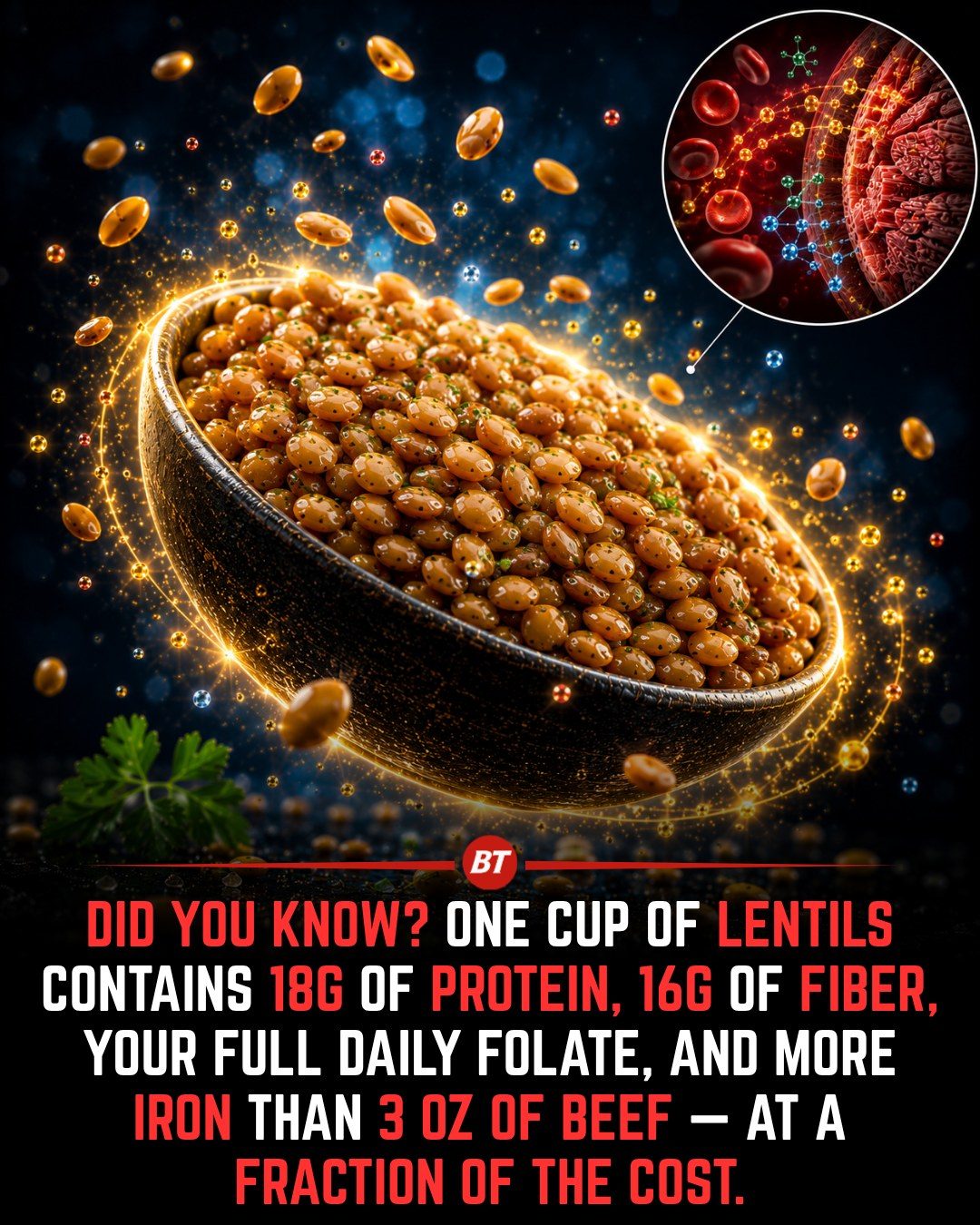
Lentil Nutrition: A Powerhouse of Plant-Based Protein and Fiber
Lentils are a versatile and affordable legume that offers an impressive nutritional profile. They are a great source of plant-based protein, fiber, and essential minerals, making them an excellent addition to any diet. Lentils provide a cost-effective way to boost your nutrient intake and support overall health.
Why This Matters
Incorporating lentils into your diet can have significant benefits for your health. They are packed with nutrients that support various bodily functions, from digestion to cardiovascular health. Lentils are particularly notable for their high protein and fiber content, which can aid in weight management and blood sugar control. Additionally, their affordability makes them an accessible option for people looking to enhance their nutrition without breaking the bank.
Nutritional Breakdown
Protein and Fiber
One of the standout features of lentils is their high protein content. One cup of cooked lentils delivers around 18 grams of protein, making them a fantastic plant-based protein source. This is particularly beneficial for vegetarians and vegans who may struggle to meet their protein needs.
Lentils are also rich in fiber, with one cup providing approximately 16 grams. This high fiber content supports healthy digestion, helps maintain stable blood sugar levels, and promotes feelings of fullness, which can aid in weight management. The combination of protein and fiber in lentils makes them an excellent choice for sustained energy and satiety.
Folate and Iron
Lentils are an excellent source of folate, a vital B vitamin that plays a crucial role in DNA production, red blood cell formation, and healthy cell growth. One cup of lentils provides nearly the full daily recommended intake of folate. This is particularly important during pregnancy, as adequate folate intake helps prevent neural tube defects in developing babies. Folate also supports normal brain function and cardiovascular health throughout life.
In addition to their folate content, lentils contain more total iron than a 3-ounce serving of beef. While the iron in lentils is non-heme iron, which is not absorbed as efficiently as the heme iron found in animal products, pairing lentils with vitamin C-rich foods can significantly improve iron absorption. Foods like tomatoes, bell peppers, and lemon juice can enhance the bioavailability of the iron in lentils.
Other Essential Minerals
Lentils are naturally low in saturated fat and packed with essential minerals such as magnesium, potassium, and iron. These minerals are crucial for heart health and overall wellness. Magnesium, for example, supports muscle and nerve function, blood sugar control, and blood pressure regulation. Potassium is essential for heart health, muscle and nerve function, and maintaining healthy blood pressure levels. The iron in lentils supports oxygen transport in the blood, which is vital for energy production and overall health.
Cost-Effectiveness
One of the most compelling reasons to incorporate lentils into your diet is their affordability. Lentils are a fraction of the cost of beef, making them an accessible option for people looking to boost their nutrient intake without a significant financial investment. This cost-effectiveness makes lentils an excellent choice for budget-conscious consumers who want to maintain a healthy diet.
Health Benefits of Lentils
Heart Health
The combination of fiber, protein, and essential minerals in lentils makes them an excellent choice for heart health. The soluble fiber in lentils helps lower cholesterol levels, while the potassium and magnesium support healthy blood pressure. Studies have shown that a diet rich in lentils and other legumes can reduce the risk of heart disease and improve overall cardiovascular health.
Digestive Health
The high fiber content in lentils supports digestive health by promoting regular bowel movements and preventing constipation. Fiber also feeds the beneficial bacteria in the gut, supporting a healthy microbiome. A healthy gut microbiome is essential for overall health, as it plays a role in immune function, mental health, and even weight management.
Weight Management
The combination of protein and fiber in lentils makes them an excellent choice for weight management. Protein and fiber both promote feelings of fullness and satiety, which can help control hunger and prevent overeating. Lentils are also low in calories, making them a great addition to a weight-loss or weight-maintenance plan. Lentils can be a great addition to a weight-loss or weight-maintenance plan.
Energy and Endurance
The steady release of carbohydrates in lentils provides sustained energy and supports endurance. This makes lentils an excellent choice for athletes and active individuals who need to maintain energy levels during physical activity. The combination of protein, fiber, and complex carbohydrates in lentils helps prevent blood sugar spikes and crashes, providing a steady supply of energy.
Practical Tips for Incorporating Lentils into Your Diet
Lentils are incredibly versatile and can be incorporated into a wide range of dishes. Here are some practical tips for adding lentils to your diet:
Cooking Lentils
Lentils are easy to cook and can be prepared in a variety of ways. Here are some basic tips for cooking lentils:
- Rinse lentils before cooking to remove any dirt or debris.
- Cook lentils in a 2:1 ratio of water to lentils, or follow package instructions for specific cooking times.
- Lentils can be cooked on the stovetop, in a slow cooker, or even in a pressure cooker for faster cooking times.
- Season lentils with herbs, spices, and other flavorings to enhance their taste.
Lentil Recipes
Lentils can be used in a variety of recipes, from soups and stews to salads and grain bowls. Here are some recipe ideas to inspire you:
- Lentil Soup: A hearty and comforting dish made with lentils, vegetables, and broth.
- Lentil Curry: A flavorful Indian-inspired dish made with lentils, spices, and coconut milk.
- Lentil Tacos: A vegetarian twist on traditional tacos, made with lentils, spices, and your favorite toppings.
- Lentil Salad: A refreshing and nutritious dish made with lentils, vegetables, and a light vinaigrette.
- Lentil and Vegetable Stir-Fry: A quick and easy dish made with lentils, vegetables, and your favorite stir-fry sauce.
Lentil Meal Prep
Lentils are a great option for meal prepping, as they can be cooked in large batches and stored in the refrigerator for up to a week. Here are some tips for meal prepping with lentils:
- Cook a large batch of lentils at the beginning of the week and portion them out into containers.
- Pair lentils with your favorite vegetables, grains, and proteins for a balanced and nutritious meal.
- Store lentil meals in the refrigerator for up to a week or freeze for up to three months.
Important Takeaways
Lentils are a nutrient-dense and affordable food that offers a wide range of health benefits. Their high protein and fiber content, along with essential minerals like magnesium, potassium, and iron, make them an excellent choice for supporting overall health and wellness. Incorporating lentils into your diet can help promote heart health, digestive health, weight management, and sustained energy. With their versatility and affordability, lentils are a great addition to any meal plan.
Conclusion
Lentils are a powerhouse of plant-based protein and fiber, offering a cost-effective way to boost your nutrient intake and support overall health. From their impressive nutritional profile to their versatility in the kitchen, lentils are a valuable addition to any diet. Whether you're looking to improve your heart health, support digestive function, or maintain a healthy weight, incorporating lentils into your meals can help you achieve your health goals.
Watch the Reel
Questions readers ask
How much protein does a serving of lentils provide?
A single serving of cooked lentils, which is about 192 grams, contains approximately 18 grams of protein. This makes lentils an excellent choice for those looking to increase their protein intake, especially on a plant-based diet.
What makes lentils a cost-effective food choice?
Lentils are highly affordable, with a low cost per serving. They are easy to store and prepare in bulk, reducing overall food expenses. Additionally, their high nutrient content per serving helps maximize your nutritional intake without breaking the bank.
How do lentils aid in digestion?
Lentils are high in dietary fiber, which aids in digestion by promoting regular bowel movements and preventing constipation. The fiber in lentils also helps to feed beneficial gut bacteria, supporting a healthy microbiome and overall digestive health.
Are lentils a good source of iron?
Yes, lentils are an excellent source of iron, providing about 6.6 mg of iron per cooked cup. This makes them especially beneficial for vegetarians and vegans, as well as those looking to maintain healthy iron levels in their diet.
How do lentils compare to beef in terms of protein and cost?
Lentils offer a more cost-effective protein source compared to beef. While 192 grams of beef has 28 grams of protein and is considerably more expensive, the same serving of lentils provides 18 grams of protein at a lower cost.
What other key nutrients do lentils provide?
In addition to protein and fiber, lentils are rich in essential minerals like potassium, magnesium, and folate. They also contain various B vitamins and antioxidants, contributing to overall health and well-being.
Can lentils help with weight management?
Yes, lentils can aid in weight management due to their high protein and fiber content. These nutrients help you feel full and satisfied, reducing overall calorie intake and promoting a healthy weight. Additionally, lentils have a low glycemic index, which helps stabilize blood sugar levels.
Recent articles
Fresh deep dives from the latest Reels we unpacked.




Comments
Be the first to comment.