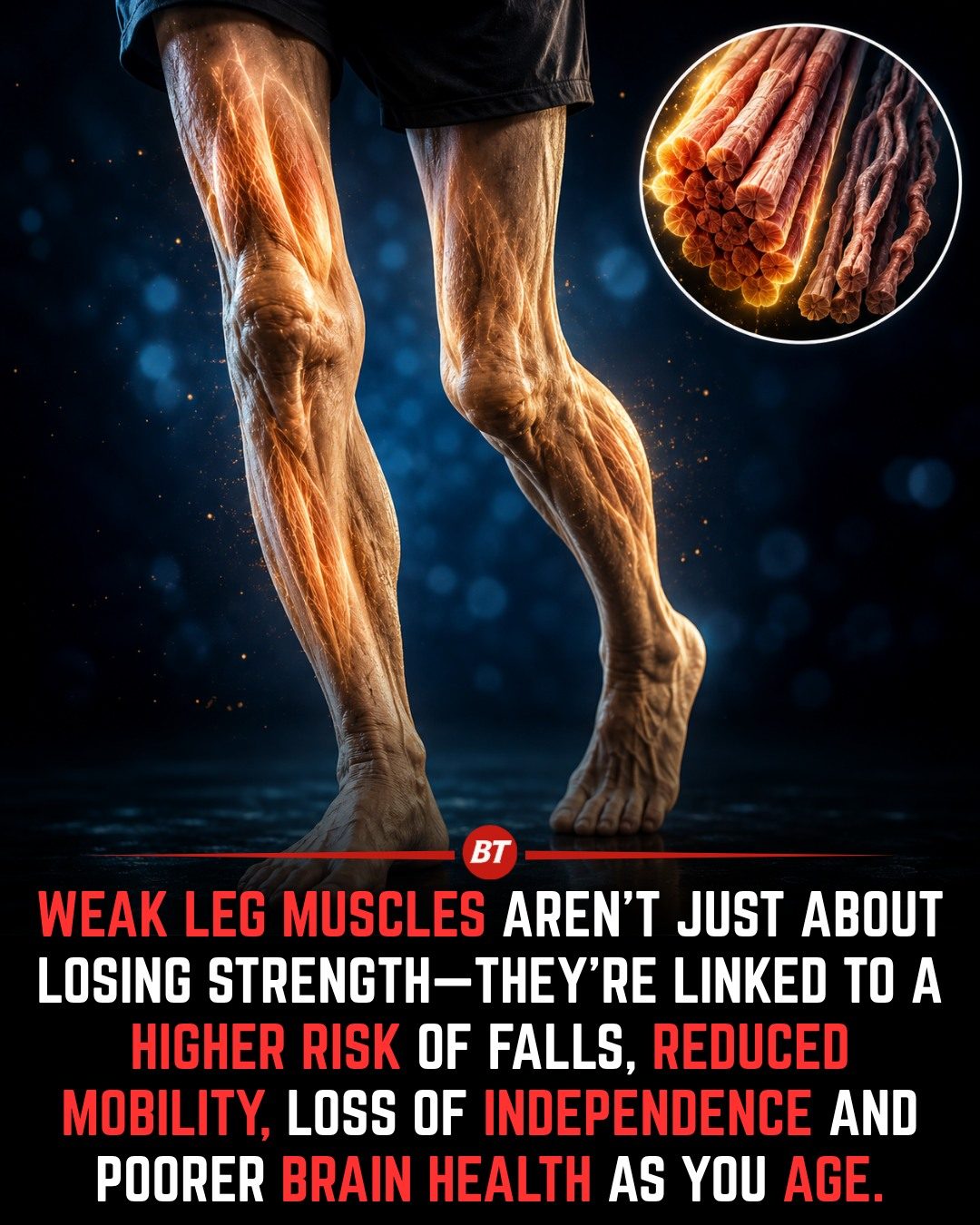
Leg Strength and Health: The Surprising Connection
Leg muscles are more than just powerhouses for movement; they play a crucial role in overall health and well-being, especially as we age. Weak leg muscles are associated with a higher risk of falls, reduced mobility, loss of independence, and even poorer brain health. Understanding the importance of leg strength can help maintain quality of life and independence in older adults.
Why This Matters
Leg muscles are some of the largest and most powerful in the body. They are essential for everyday activities such as walking, climbing stairs, getting out of a chair, maintaining balance, and reacting quickly to prevent falls. As these muscles weaken with age, simple tasks become more challenging, increasing the risk of falls, fractures, and disability. Moreover, strong legs support a healthier brain, improving blood flow and cognitive function. Maintaining lower-body strength is vital for healthy aging, mobility, and independence.
The Relationship Between Leg Strength and Overall Health
Mobility and Fall Prevention
Weak leg muscles significantly increase the risk of falls, which can lead to serious injuries such as fractures. Falls are a major concern for older adults, as they can result in long-term disability and a loss of independence. Strong leg muscles help maintain balance and stability, reducing the likelihood of falls and associated injuries. By improving leg strength, individuals can move more confidently and safely, reducing the risk of accidents.
Impact on Independence
Reduced mobility due to weak leg muscles can limit an individual's ability to perform daily tasks independently. This loss of independence can affect mental health, leading to feelings of frustration, depression, and social isolation. Strong legs enable older adults to continue with their daily routines, maintain a sense of autonomy, and engage in social activities, thereby preserving their quality of life.
Cognitive Benefits
Strong legs do more than just support physical activity; they also support brain health. Physical activity that challenges the lower body, such as walking, climbing stairs, or resistance training, improves blood flow throughout the body, including the brain. This increased blood flow stimulates the release of molecules that support learning, memory, and overall brain function.
Researchers have found that individuals with greater leg strength often experience slower declines in cognitive function as they age. This relationship underscores the importance of maintaining lower-body strength for healthy aging and the prevention of cognitive decline.
Practical Tips for Building Leg Strength
Incorporating lower-body exercises into a regular fitness routine can significantly improve leg strength and overall health. Here are some practical tips for building stronger legs:
Resistance Training
Resistance training is one of the most effective ways to build leg strength. Exercises such as squats, step-ups, lunges, and sit-to-stands challenge the muscles and help maintain lower-body strength. Aim to include these exercises in your routine at least 2–3 times per week.
Daily Activities
Everyday activities can also serve as opportunities to strengthen leg muscles. Simple changes, such as taking the stairs instead of the elevator or doing calf raises while waiting in line, can make a difference. Incorporating more movement into daily life helps maintain leg strength and overall fitness.
Balanced Diet
A balanced diet rich in proteins, vitamins, and minerals is essential for muscle health. Consuming adequate protein supports muscle repair and growth, while vitamins and minerals help maintain overall health. Include a variety of nutrient-dense foods in your diet, such as lean proteins, whole grains, fruits, and vegetables.
Consult a Healthcare Professional
Before starting any new exercise or wellness program, consult a healthcare professional. They can provide personalized advice and ensure that the chosen activities are safe and suitable for your specific needs and health conditions. They may also recommend specific exercises or modifications to accommodate any physical limitations.
Important Takeaways
Maintaining strong leg muscles is crucial for overall health, mobility, and independence, especially as we age. Weak leg muscles are linked to a higher risk of falls, reduced mobility, loss of independence, and poorer brain health. Incorporating lower-body exercises, engaging in physical activity, and maintaining a balanced diet can help build and preserve leg strength. By understanding the connection between leg strength and overall health, individuals can take proactive steps to improve their quality of life and support healthy aging.
Conclusion
Leg strength is a vital component of overall health and well-being. By focusing on building and maintaining strong leg muscles, individuals can reduce the risk of falls, preserve mobility, and support mental health. Incorporating resistance training, daily activities, and a balanced diet into a regular routine can help achieve and sustain leg strength. Taking these proactive steps can lead to a more active, confident, and independent lifestyle, promoting healthy aging and a better quality of life.
Watch the Reel
Questions readers ask
How does leg strength contribute to mobility in older adults?
Leg strength is crucial for mobility as it enables everyday activities like walking, climbing stairs, and standing up from a seated position. Strong leg muscles also help maintain balance and stability, making it easier to move around safely and confidently. Regularly performing leg strength exercises can significantly enhance lower body strength, leading to improved mobility.
What are some effective leg strength exercises for seniors?
Leg strength exercises for seniors can include activities like chair stands, wall sits, and seated leg extensions. These exercises focus on strengthening the major muscle groups in the legs, including the quadriceps, hamstrings, and calves. They can be done at home with minimal equipment and are gentle on the joints.
How does improving leg strength help prevent falls?
Strong leg muscles are essential for maintaining balance and stability, which are key factors in preventing falls. When leg muscles are weak, simple movements like stepping off a curb or reaching for something can lead to loss of balance and potential falls. By improving leg strength, individuals can react more quickly and effectively to maintain stability and avoid falls.
Can leg strength exercises improve brain health?
Recent research suggests that leg strength exercises may have a positive impact on brain health. Engaging in lower body strength training can enhance cognitive function by improving blood flow and reducing inflammation. Activities that promote leg strength, such as walking or resistance training, are beneficial for overall brain health.
What are the benefits of strong legs for overall health?
Strong legs offer numerous benefits for overall health, including increased mobility, better balance, and a reduced risk of falls and fractures. Maintaining leg strength as we age is essential for preserving independence and improving quality of life. Additionally, leg exercises for mobility can enhance cardiovascular health, boost metabolism, and support overall fitness.
Why is it important to maintain leg strength as we age?
Maintaining leg strength as we age is vital for preserving mobility and independence. As leg muscles weaken, it becomes increasingly difficult to perform daily activities, leading to a higher risk of falls and potential injuries. Incorporating leg strength exercises into a regular routine can help mitigate these challenges and promote better overall health.
What role do leg strength exercises play in maintaining independence?
Leg strength exercises are fundamental in maintaining independence, especially for older adults. By keeping leg muscles strong, individuals can perform daily tasks more easily, reducing the need for assistance. This supports emotional well-being and self-sufficiency, allowing older adults to live more independently and actively.
Related deep dives
Similar reads based on topic and creator.




Recent articles
Fresh deep dives from the latest Reels we unpacked.




Comments
Be the first to comment.