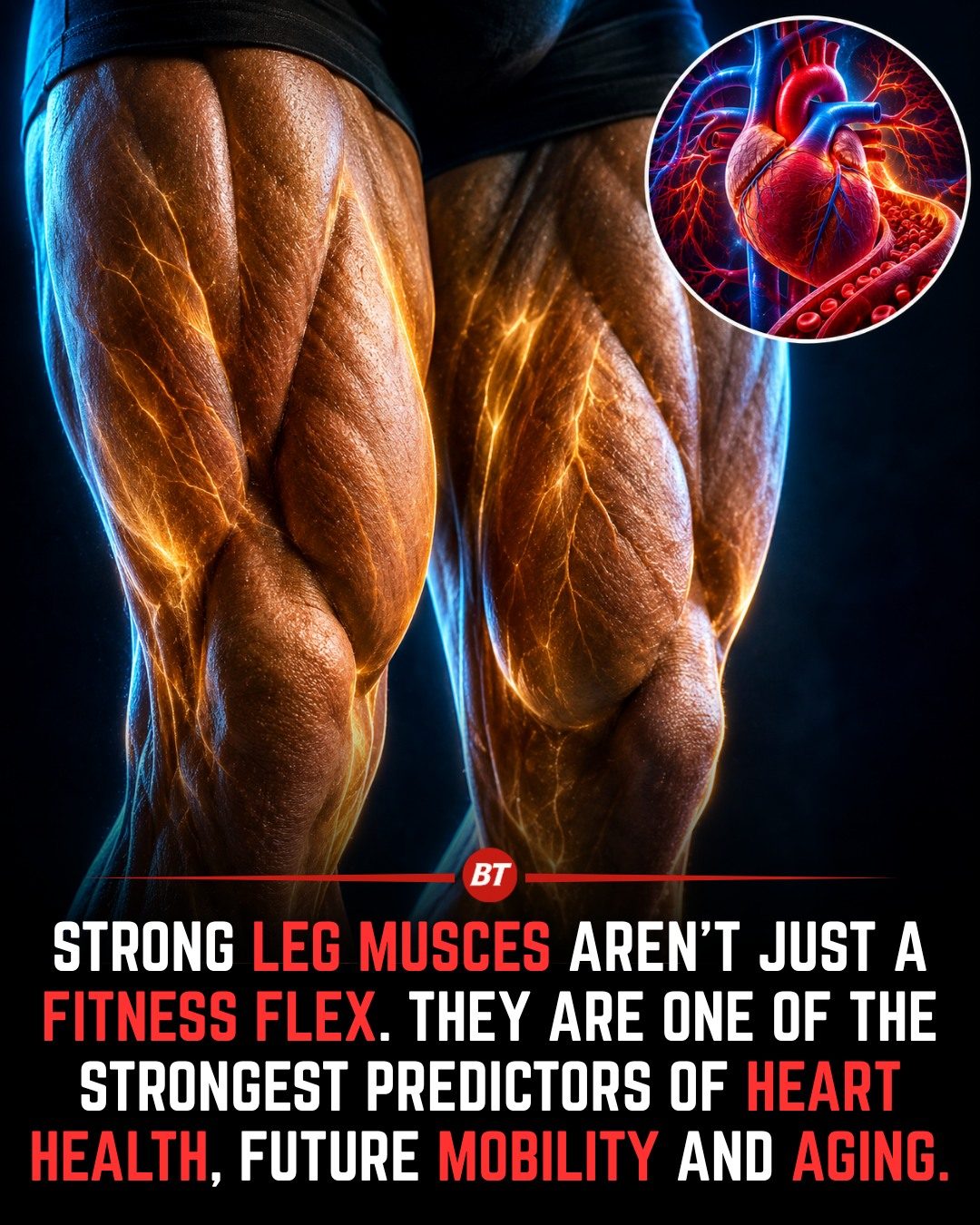
Leg strength is more than just a fitness goal—it's a critical component of overall health and longevity. Researchers consistently find that leg strength is a key indicator of how well a person will age, affecting everything from heart health to mobility.
Leg Strength and Heart Health
Strong leg muscles play a pivotal role in maintaining cardiovascular health. The muscles in the thighs, hips, and calves are among the largest in the body and are essential for movement, balance, and circulation. Every time you engage in activities like walking, climbing stairs, or standing up from a chair, your leg muscles act as a second pump, pushing blood back toward the heart. This action helps reduce the workload on the circulatory system, promoting better blood flow and overall heart health.
Numerous studies have shown that individuals with stronger lower-body strength tend to have better heart health. This is because strong leg muscles help manage blood sugar more effectively, improve insulin sensitivity, and support healthy blood flow. These factors collectively contribute to a lower risk of cardiovascular diseases, making leg strength a crucial predictor of heart health.
Leg Strength and Future Mobility
Leg strength is not only about maintaining a healthy heart; it is also a strong predictor of future mobility. As people age, leg strength often declines, leading to a reduction in physical activity. This decline can result in a loss of muscle mass, poorer balance, and reduced cardiovascular fitness. Consequently, the risk of falls and chronic diseases increases, and the likelihood of maintaining independence decreases.
In older adults, leg strength is often a stronger predictor of future mobility than many traditional health measurements. This is because leg strength directly influences the ability to perform daily activities. Strong leg muscles enable better balance and stability, reducing the risk of falls and injuries. Furthermore, maintaining leg strength helps preserve the ability to perform everyday tasks, such as walking, climbing stairs, and standing up from a chair, which are essential for independent living.
Leg Strength and Aging
Leg strength is crucial for healthy aging. It contributes to maintaining mobility and reducing the risk of disability as people age. Strong leg muscles help the body manage metabolic health, which is essential for overall well-being. Metabolic health encompasses various factors, including the regulation of blood sugar levels, insulin sensitivity, and blood pressure. By keeping these factors in check, strong leg muscles support a healthier aging process.
In older adults, leg strength is particularly important because it helps maintain independence and quality of life. Studies have found that people with greater lower-body strength tend to have lower rates of disability and a higher likelihood of maintaining independence as they age.
Practical Tips for Building Leg Strength
Building and maintaining leg strength is achievable with regular exercise. Incorporating exercises that target the lower body can significantly improve overall health and longevity. Some effective exercises include:
- Squats: A fundamental exercise that targets the muscles of the thighs, hips, and glutes. Squats help build strength and endurance in the lower body, promoting better balance and stability.
- Lunges: This exercise works the muscles of the thighs, hips, and glutes, improving strength and flexibility. Lunges can be performed with bodyweight or added resistance for a more challenging workout.
- Step-ups: This exercise targets the muscles of the thighs, hips, and glutes, helping to build strength and endurance. Step-ups can be performed on a bench or step, and can be done with or without added resistance.
- Stair climbing: This exercise is a practical way to incorporate leg strength training into daily activities. Climbing stairs works the muscles of the thighs, hips, and glutes, improving cardiovascular fitness and promoting better circulation.
- Cycling: A low-impact exercise that targets the muscles of the thighs, hips, and glutes. Cycling is an excellent way to build leg strength and improve cardiovascular health.
- Brisk walking: A simple yet effective exercise that targets the muscles of the thighs, hips, and calves. Brisk walking is a great way to maintain leg strength and promote overall health.
Important Takeaways
Leg strength is a critical component of overall health and longevity. Maintaining strong leg muscles supports cardiovascular health, future mobility, and healthy aging. Regular exercise, such as squats, lunges, step-ups, stair climbing, cycling, and brisk walking, can help build and maintain leg strength. Incorporating these exercises into a regular fitness routine can significantly improve overall health and quality of life.
Conclusion
Investing time in building and maintaining leg strength is a worthwhile endeavor. The benefits extend far beyond aesthetic appeal, impacting heart health, mobility, and the ability to age gracefully. By understanding the importance of leg strength and taking practical steps to strengthen these muscles, you can enhance your overall health and enjoy a more active, independent life as you age.
Watch the Reel
Questions readers ask
How do strong leg muscles contribute to better heart health?
Strong leg muscles act as a secondary pump, pushing blood back to the heart, which reduces the workload on the circulatory system. By doing so, the muscles help promote better blood circulation and overall heart health. This is particularly important for aging adults as it helps maintain cardiovascular health.
What are some effective leg strength exercises for seniors to improve balance and mobility?
Seniors can benefit from exercises like leg press, squats, lunges, one leg exercises, and calf raises to improve leg strength. While these exercises are beneficial, they should also consider activities that promote balance, such as Tai Chi, yoga, or walking on uneven surfaces.
What is the relationship between leg strength and aging gracefully?
Leg strength is a key indicator of how well a person will age. Strong legs support better mobility and balance, which helps maintain independence. It also reduces the risk of falls and injuries, ensuring a better quality of life during the aging process.
What are the benefits of improving leg strength for heart health?
Improving leg strength can significantly benefit heart health. Stronger leg muscles help manage cardiovascular disease risks by promoting better blood circulation and reducing the heart's workload. This is due to the muscle's ability to act as a secondary pump for the circulatory system.
How can leg strength exercises improve blood circulation?
Leg strength exercises help improve blood circulation by conditioning the muscles to act as a secondary pump for the circulatory system. When you engage in leg exercises, your leg muscles push blood back toward the heart, promoting better overall blood flow and reducing the heart's workload.
What is the significance of leg strength for seniors in maintaining independence?
Leg strength is crucial for seniors in maintaining independence as it supports better mobility and balance. Strong legs make it easier to perform daily activities, such as climbing stairs or standing from a chair. This reduces the risk of falls and injuries, helping seniors maintain their autonomy and daily routines.
Related deep dives
Similar reads based on topic and creator.




Recent articles
Fresh deep dives from the latest Reels we unpacked.




Comments
Be the first to comment.