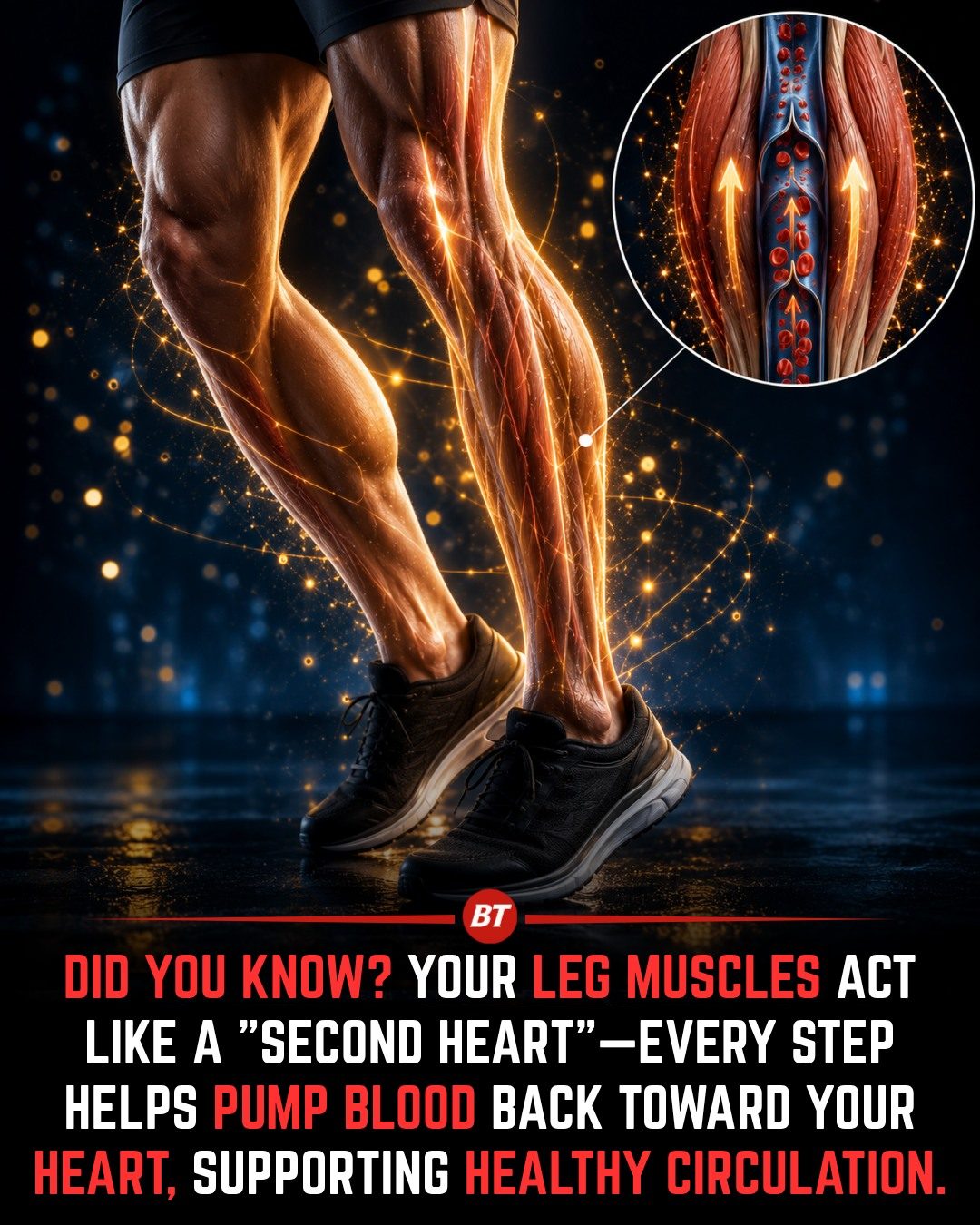
Leg Muscle Circulation
Leg muscles play a crucial role in the body's circulatory system. Often referred to as the body's "second heart," calf muscles help push blood back toward the heart with each step. This action is vital for maintaining healthy circulation, especially in the lower extremities. Understanding how leg muscles contribute to circulation can provide insights into maintaining overall health and preventing common issues like swollen ankles and tired legs.
Why this matters
Leg muscle activity is not just about movement; it's about sustaining a healthy circulatory process. The calf muscles, in particular, act as a secondary pump to the heart, aiding in the return of blood to the heart, especially when the body is upright. This is essential for preventing blood from pooling in the lower limbs, which can lead to various circulatory issues over time. By recognizing and leveraging the role of leg muscles in circulation, individuals can take proactive steps to support their overall health.
The Mechanism of Circulation in Leg Muscles
The Calf Muscle Pump
The calf muscle pump is a critical mechanism that helps maintain healthy circulation in the legs. Unlike arteries, which rely on the heart's pumping action to distribute blood, the veins in the legs must work against gravity to return blood to the heart. This is where the calf muscles come into play. Every time you walk, climb stairs, or even rise onto your toes, your calf muscles contract and squeeze the deep veins in your lower legs. Tiny one-way valves inside these veins prevent blood from flowing backward, allowing each muscle contraction to push blood closer to the heart. This process ensures that blood is continuously circulated through the body, delivering oxygen and nutrients to tissues and organs.
Support from the Circulatory System
The calf muscle pump is particularly important for venous return, which is the process of blood flowing from the extremities back to the heart. Studies have shown that an efficient calf muscle pump significantly improves venous return, reducing blood pooling in the legs and lowering venous pressure. This is crucial for maintaining healthy circulation and preventing issues like chronic venous disease, which can develop from prolonged periods of inactivity or extended periods of standing or sitting.
The Impact of Inactivity
Research has indicated that people who spend long periods sitting or standing without moving have reduced calf pump activity. This inactivity can contribute to swollen ankles, tired legs, and an increased risk of chronic venous disease. The good news is that simple movements can help activate the calf muscle pump and support healthy circulation. Walking, climbing stairs, calf raises, or even flexing your ankles while sitting can keep blood moving through your legs, reducing the amount of time blood remains pooled in the lower limbs.
Practical Tips for Maintaining Healthy Leg Circulation
Incorporate Movement into Your Routine
It's essential to incorporate regular movement into your daily routine to support healthy leg circulation. Simple activities like walking, climbing stairs, or performing calf raises can help activate the calf muscle pump and promote healthy circulation. Even small movements, such as flexing your ankles while sitting, can make a significant difference.
Stand Up and Move
If you sit for long periods, make sure to stand up and walk for 2–3 minutes every hour. This simple act can help activate your calf muscles and support healthy circulation throughout the day. Performing 20–30 calf raises in a row can also help keep blood moving through your legs and reduce the risk of circulatory issues.
Regular Exercise
Regular exercise is crucial for maintaining overall health, including healthy circulation. Activities that involve the lower body, such as walking, running, or cycling, can help strengthen the calf muscles and improve their efficiency in pumping blood back to the heart. Aim for at least 30 minutes of moderate-intensity exercise most days of the week to support healthy circulation.
Stay active, move regularly, and keep your legs in motion to maintain a healthy blood flow through the body’s circulatory system. Your legs are your body's natural circulatory pump, and with proper care, they can support your overall health for years to come.
Important Takeaways
- Leg muscles, particularly the calf muscles, act as a "second heart," helping to pump blood back to the heart with each step.
- The calf muscle pump is essential for maintaining healthy circulation in the legs, preventing blood pooling, and reducing venous pressure.
- Inactivity can lead to reduced calf pump activity, contributing to issues like swollen ankles, tired legs, and an increased risk of chronic venous disease.
- Incorporating regular movement, such as walking, climbing stairs, or performing calf raises, can help support healthy leg circulation.
- Regular exercise and staying active are crucial for maintaining overall health, including healthy circulation.
Conclusion
Leg muscles play a vital role in maintaining healthy circulation by acting as a "second heart," pumping blood back to the heart with each step. Understanding the mechanism of the calf muscle pump and the importance of regular movement can help individuals take proactive steps to support their overall health. By incorporating simple movements into your daily routine and staying active, you can promote healthy leg circulation and reduce the risk of circulatory issues.
Watch the Reel
Questions readers ask
How do leg muscles assist in maintaining blood circulation?
Leg muscles, particularly the calf muscles, act as a secondary pump to the heart. Every time you take a step, your leg muscles contract and help push blood back toward the heart, aiding in circulation throughout the body.
Why are calf muscles often called the body's 'second heart'?
Calf muscles are referred to as the body's 'second heart' because they play a crucial role in pumping blood back to the heart, especially when you're upright. This action is vital for maintaining healthy circulation in the lower extremities.
How does leg muscle activity prevent swollen ankles and tired legs?
Leg muscle activity helps prevent swollen ankles and tired legs by facilitating venous return—pushing blood back to the heart. This reduces the likelihood of blood pooling in the lower extremities, which can cause discomfort and swelling.
What happens to circulation when leg muscles are inactive?
When leg muscles are inactive, the natural muscle pump that aids in blood circulation is not engaged. This can lead to poor circulation in the legs, resulting in issues like swelling, discomfort, and a feeling of tiredness in the legs.
Can improving leg muscle strength enhance circulation?
Yes, improving leg muscle strength can enhance circulation. Stronger leg muscles can contract more forcefully, helping to pump blood back to the heart more efficiently, even when you are standing or walking.
What role do calf muscles play in venous return?
Calf muscles are instrumental in venous return, the process of pushing blood from the veins back to the heart. When calf muscles contract, they compress the veins and propel blood upward, counteracting gravity and ensuring healthy blood flow.
How can I maintain healthy leg muscle circulation throughout the day?
To maintain healthy leg muscle circulation, try to move regularly throughout the day. This can include simple actions like taking short walks, doing calf raises, or even just shifting your position frequently. These activities help keep the leg muscles engaged and promote healthy blood flow.
Related deep dives
Similar reads based on topic and creator.




Recent articles
Fresh deep dives from the latest Reels we unpacked.



Comments
Be the first to comment.