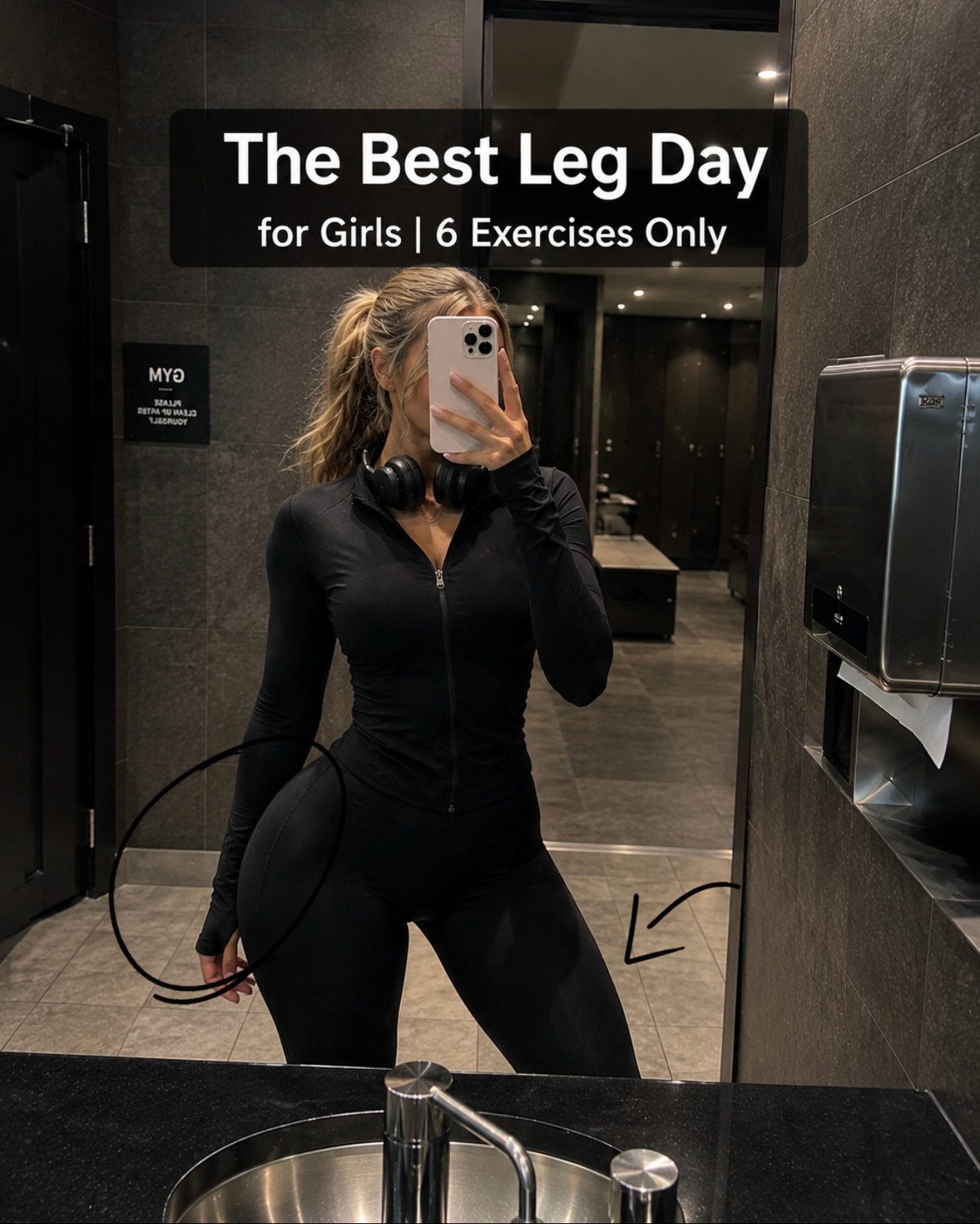
Leg Day Workout: Effective Leg Exercises for Building Strength and Consistency
Focusing on leg day can be a game-changer for your fitness routine. A well-structured leg workout not only helps build strength in your glutes, quads, hamstrings, and calves but also ensures a balanced and realistic approach to recovery. The key to an effective leg day is consistency and proper form, rather than overcomplicating with too many exercises or too much volume.
The concept of progressive overload and sticking to the basics long enough to see improvements is central to achieving muscle growth. Leg day should focus on a few effective movements done consistently rather than constantly changing your workouts.
Why This Matters
Effective leg workouts are essential for overall fitness and strength. Legs are the foundation of your body, supporting your core and enabling movement. A strong lower body can enhance stability, improve athletic performance, and support everyday activities. By focusing on key leg exercises and maintaining consistency, you can build a solid foundation for your fitness journey.
Main Discussion
The Importance of Progressive Overload
Progressive overload involves gradually increasing the stress placed on your muscles during training. This can be achieved by adding more weight, increasing the number of reps, or reducing rest time between sets. Progressive overload is crucial for muscle growth and strength development. By consistently challenging your muscles, you force them to adapt and grow stronger.
The Role of Proper Form
Proper form is essential for preventing injuries and maximizing the effectiveness of your workouts. Good form ensures that the targeted muscles are engaged correctly, reducing the risk of injury and enhancing the benefits of the exercise. Always focus on performing each movement with correct technique, even if it means using lighter weights or fewer reps.
The Benefits of Consistency
Consistency is key to seeing improvements in your fitness journey. Sticking to a routine and performing the same exercises regularly allows your muscles to adapt and grow. Consistency helps build muscle memory, making it easier to perform exercises correctly and efficiently. It also makes it easier to track progress and adjust your workouts as needed.
Key Leg Exercises for Building Strength
- Leg Press: This exercise targets your quads, hamstrings, and glutes. Perform 4 sets of 10–12 reps to build lower body strength and power.
- Walking Lunges: Walking lunges with dumbbells are excellent for targeting your glutes, quads, and hamstrings. Aim for 3 sets of 10–12 reps per leg.
- Seated Leg Curl: This exercise isolates your hamstrings, helping to build strength and definition. Perform 3 sets of 12–15 reps.
- Leg Extension: The leg extension machine targets your quads, helping to build strength and definition. Aim for 3 sets of 12–15 reps.
- Standing Calf Raises: Standing calf raises target your calves, helping to build strength and definition. Perform 4 sets of 12–20 reps.
Practical Tips
Structuring Your Workout
Structuring your workout with a focus on progressive overload and proper form while ensuring enough protein intake can help you build strength and muscle effectively.
For example, you can start with a warm-up of light cardio and dynamic stretches to prepare your muscles for the workout. Following that, you can proceed with the exercises mentioned above. Remember to maintain a consistent routine and focus on progressive overload to see improvements.
Tracking Progress
Tracking your progress is crucial for staying motivated and making adjustments to your workout routine. Use a fitness app to log your workouts, track your progress, and set goals.
Important Takeaways
- Focus on Progressive Overload: Gradually increase the stress on your muscles to promote growth and strength.
- Maintain Proper Form: Correct technique ensures that the targeted muscles are engaged and reduces the risk of injury.
- Stick to a Consistent Routine: Regular performance of the same exercises allows your muscles to adapt and grow.
- Track Your Progress: Use a fitness app to log your workouts and see improvements over time.
Conclusion
By focusing on progressive overload, maintaining proper form, and sticking to a consistent routine, you can build strength and muscle effectively. Track your progress and make adjustments as needed to continue seeing improvements. Remember, consistency and proper form are key to a successful leg day workout. Incorporate a few effective exercises into your routine and watch your leg strength and muscle definition improve over time.
Watch the Reel
Questions readers ask
What are the best leg exercises for growth?
The best leg exercises for growth focus on compound movements that target multiple muscle groups. These include squats, deadlifts, lunges, leg presses, and calf raises. These exercises help build strength and stability in your glutes, quads, hamstrings, and calves.
How often should I do leg workouts?
Consistency is key for leg workouts. Aim for at least two leg days per week, with a day of rest in between to allow for muscle recovery. This frequency helps in maintaining progress and preventing injury.
How many sets and reps should I do for leg exercises?
A common starting point is 3-4 sets of 8-12 reps for each exercise. This range helps in building both strength and muscle endurance. As you progress, you can increase the sets, reps, or weight to challenge your muscles further.
Why is proper form important during leg workouts?
Proper form during leg workouts ensures that the target muscles are engaged effectively and reduces the risk of injury. It helps in isolating the right muscle groups and promoting balanced growth. Always prioritize form over lifting heavy weights.
What is progressive overload and why is it important?
Progressive overload involves gradually increasing the stress placed on your muscles during training. This can be done by adding more weight, increasing sets or reps, or reducing rest time between sets. It is important because it challenges your muscles, promoting growth and strength gains.
Should I change my leg exercises frequently?
It is generally better to stick with a few effective exercises and focus on progressive overload. Consistency allows your muscles to adapt and grow more efficiently. Changing exercises too frequently can hinder progress and make it harder to track improvements.
How can a leg workout app help my routine?
A leg workout app can help by providing structured routines, tracking your progress, and offering guidance on proper form. Many apps also offer a variety of exercises and allow you to set specific goals, making your leg workouts more effective and organized.
Recent articles
Fresh deep dives from the latest Reels we unpacked.




Comments
Be the first to comment.