Sleep and Nightmares
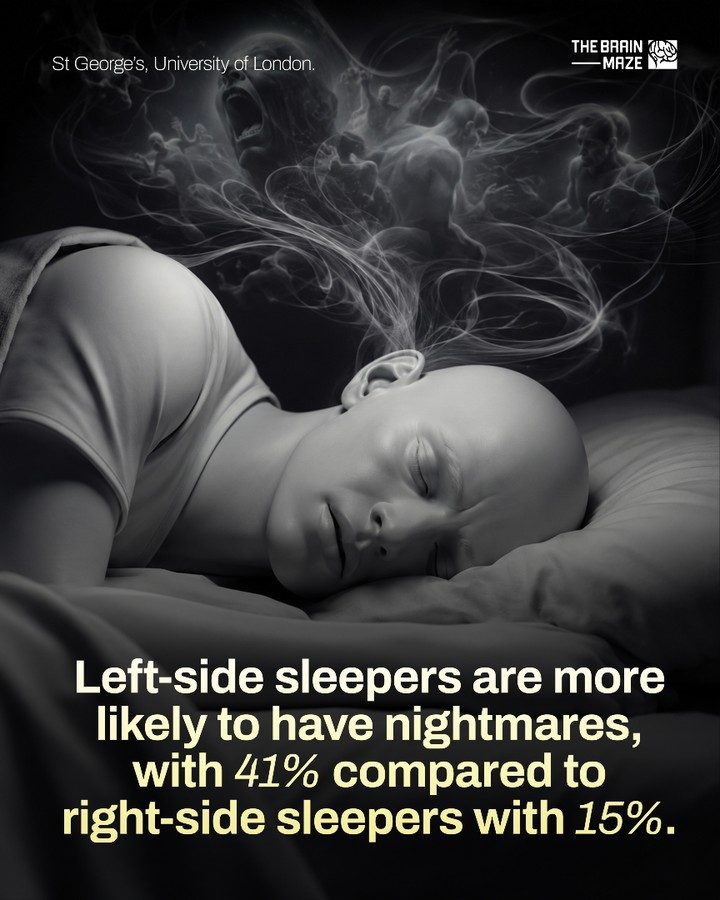
Sleeping on your left side might be linked to a higher incidence of nightmares, according to recent research. The study, conducted by scientists at St George’s, University of London, found that 41% of people who sleep on their left side reported experiencing nightmares, compared to just 15% of those who sleep on their right side. This intriguing discovery has sparked interest in how sleep positions and physiological changes during sleep can influence our dreams.
Context / Why This Matters
Understanding the connection between sleep position and nightmares can provide valuable insights into improving sleep quality and overall well-being. Nightmares are not just unsettling experiences; they can significantly impact mental health, leading to stress, anxiety, and daytime fatigue.
The Importance of Sleep Quality
Sleep quality is a critical factor in overall health. Poor sleep can lead to a range of health issues, including weakened immune function, cognitive decline, and increased risk of chronic diseases. Ensuring a good night's sleep is essential for maintaining both physical and mental health.
Main Discussion
The study suggests that the differences in nightmare frequency between left-side and right-side sleepers might be due to variations in breathing, circulation, and brain activity during REM (Rapid Eye Movement) sleep. REM sleep is the stage of sleep associated with vivid dreaming, and disturbances during this phase can affect the content and intensity of dreams.
Breathing and Circulation
Sleeping on your left side can alter breathing patterns and blood circulation. The left side of the body is dominant for the lymphatic system, which plays a crucial role in removing toxins from the body. Improved lymphatic drainage can enhance overall health, but it might also affect brain activity and the likelihood of experiencing nightmares. In contrast, sleeping on the right side might reduce the chance of nightmares, possibly due to better oxygen flow and more stable circulation.
Brain Activity during REM Sleep
During REM sleep, brain activity increases, and the brain becomes more active, potentially leading to vivid and sometimes disturbing dreams. The differences in brain activity between left-side and right-side sleepers could contribute to the higher incidence of nightmares in left-side sleepers. The brain's activity during REM sleep can be influenced by various factors, including sleep position, which can affect how dreams are processed and remembered.
Other Influencing Factors
While sleep position is one factor, it's essential to consider other elements that can influence dream patterns. Sleep quality, stress levels, and overall health play significant roles in the frequency and intensity of nightmares. Poor sleep quality, high stress, and underlying health issues can all contribute to a higher likelihood of experiencing nightmares, regardless of sleep position.
Practical Tips
If you're a left-side sleeper experiencing frequent nightmares, consider trying different sleep positions. Sleeping on your right side might help reduce the occurrence of nightmares. However, it's essential to find a comfortable position that promotes good sleep quality and overall well-being.
Optimizing Sleep Environments
Optimizing your sleep environment can also help improve sleep quality and reduce nightmares. Ensure your bedroom is dark, quiet, and cool, and consider using earplugs or a white noise machine to block out disturbing sounds. Investing in a comfortable mattress and pillows can also enhance sleep quality.
Managing Stress and Anxiety
High stress and anxiety levels can contribute to nightmares. Practicing relaxation techniques such as deep breathing, meditation, or yoga before bed can help reduce stress and promote better sleep. Regular exercise and a balanced diet can also improve overall health and reduce the likelihood of nightmares.
Seeking Professional Help
If nightmares persist and significantly impact your life, consider seeking professional help. A sleep specialist can provide personalized advice and treatment options to improve sleep quality and reduce nightmares. In some cases, cognitive-behavioral therapy (CBT) or medication may be recommended to manage nightmares and improve sleep.
Important Takeaways
- Left-side sleepers are more likely to experience nightmares, with 41% reporting them compared to 15% of right-side sleepers.
- Differences in breathing, circulation, and brain activity during REM sleep might contribute to the higher incidence of nightmares in left-side sleepers.
- Sleep quality, stress, and overall health also influence dream patterns and the likelihood of experiencing nightmares.
- Practicing good sleep hygiene, managing stress, and optimizing your sleep environment can help reduce nightmares and improve overall sleep quality.
- Seeking professional help is recommended if nightmares persist and significantly impact your well-being.
Conclusion
Sleeping on your left side may indeed be linked to a higher incidence of nightmares, as suggested by research from St George’s, University of London. While sleep position is one factor, it's essential to consider other elements that can influence dream patterns. By optimizing your sleep environment, managing stress, and seeking professional help when needed, you can improve sleep quality and reduce the likelihood of experiencing nightmares. Understanding the connection between sleep position and nightmares can provide valuable insights into enhancing overall well-being and mental health.
Watch the Reel
Questions readers ask
Why does sleeping on the left side seem to increase the likelihood of nightmares?
Sleeping on the left side may increase nightmares due to changes in breathing, circulation, and brain activity. These physiological changes can influence dream content and emotional intensity, potentially leading to more disturbing dreams.
What did the research from St. George’s, University of London, reveal about sleep positions and nightmares?
The study found that 41% of left-side sleepers reported experiencing nightmares, while only 15% of right-side sleepers did. This significant difference highlights the potential impact of sleep position on dream experiences.
How can changing sleep positions potentially improve mental health?
By reducing the frequency of nightmares, switching from left-side to right-side sleeping may alleviate associated stress and anxiety. This can contribute to better overall mental well-being and improved sleep quality.
What specific physiological changes occur when sleeping on the left side?
Sleeping on the left side can affect breathing patterns, circulation, and brain activity. These changes may alter the way the brain processes emotions and memories during sleep, potentially leading to more intense or disturbing dreams.
Are there other factors besides sleep position that can influence nightmares?
Yes, factors such as stress, diet, and underlying psychological conditions can also play a role in nightmare occurrence. However, sleep position is an important element to consider for optimizing nighttime experiences.
What steps can left-side sleepers take if they experience frequent nightmares?
Left-side sleepers who experience frequent nightmares may benefit from trying to sleep on their right side. Additionally, practicing good sleep hygiene, such as maintaining a consistent sleep schedule and creating a relaxing bedtime routine, can help reduce nightmares.
Who conducted the sleep research study on nightmares and sleep positions?
The study was conducted by scientists at St. George’s, University of London. Their findings were published in collaboration with TheBrainMazeResearch, a prominent research organization in sleep studies.
Related deep dives
Similar reads based on topic and creator.

Recent articles
Fresh deep dives from the latest Reels we unpacked.




Comments
Be the first to comment.