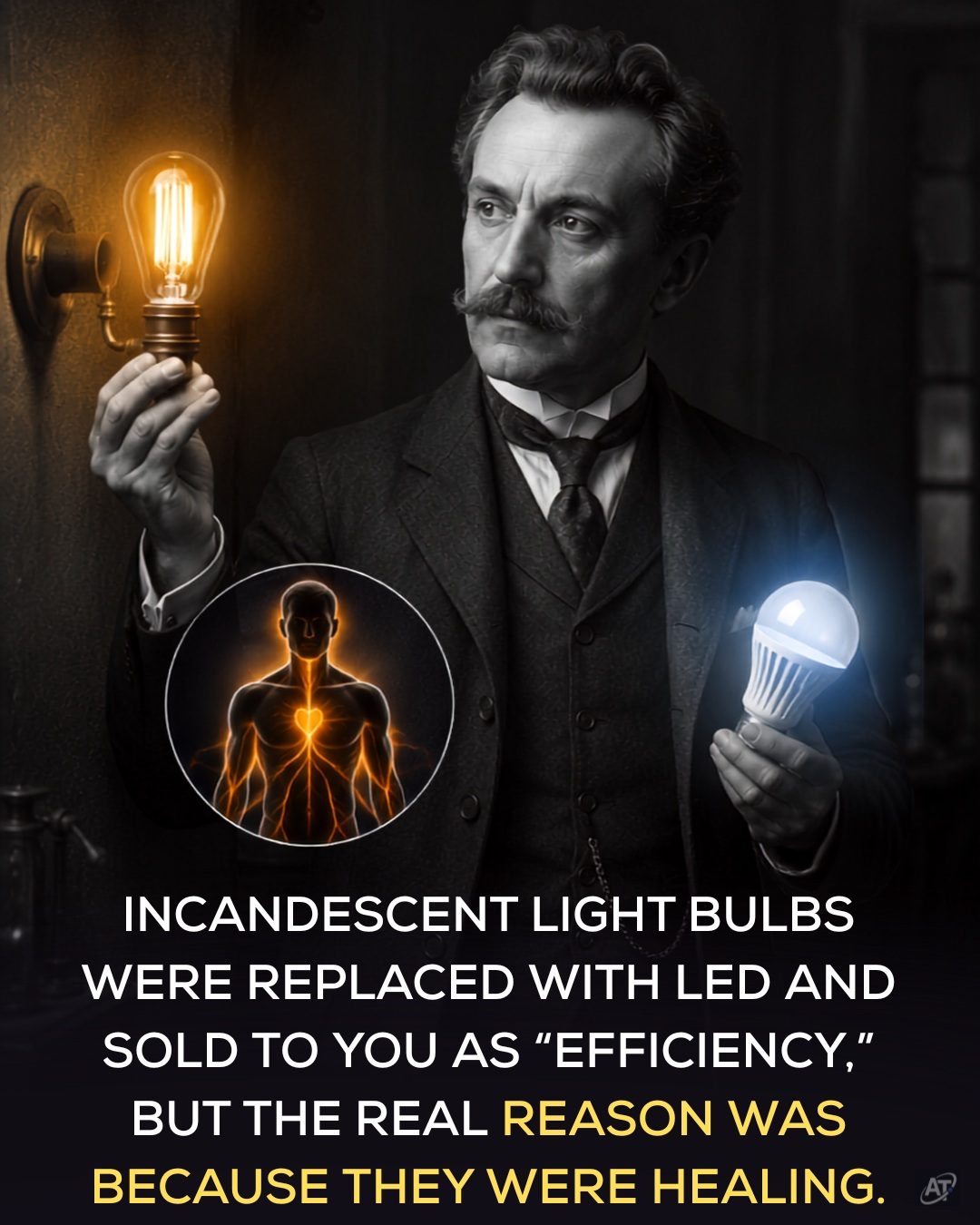
Energy Efficiency and Lighting: Incandescent vs. LED Bulbs
Light bulbs have come a long way since the days of the incandescent bulb. The debate over energy efficiency and the shift from incandescent to LED bulbs involves more than just energy savings. It also touches on claims about the potential health benefits, or lack thereof, of different types of lighting.
Why This Matters
The phase-out of traditional incandescent bulbs was driven primarily by energy efficiency standards. Incandescent bulbs, while emitting a broad spectrum of light that includes red and near-infrared radiation, are inefficient. Most of the energy they consume is released as heat, not visible light. This inefficiency means that incandescent bulbs require more electricity to produce the same amount of light as LED bulbs.
Incandescent vs. LED Bulbs: The Efficiency Debate
Efficiency and Energy Consumption
Incandescent bulbs convert only about 5% of the energy they consume into visible light. The rest is lost as heat. LED bulbs, on the other hand, are much more efficient, converting about 95% of their energy into light. This significant difference in efficiency is a primary reason why LED bulbs have become the standard in many households and businesses.
Light Spectrum and Health Claims
Traditional incandescent bulbs emit a broad spectrum of light that includes red and near-infrared radiation. Some proponents of incandescent bulbs suggest that this spectrum has healing properties, but this claim is not supported by credible scientific evidence. The near-infrared light emitted by incandescent bulbs is likely too weak to produce any appreciable therapeutic effect, even in ambient exposure.
Photobiomodulation, or red-light therapy, is a recognized medical treatment that uses specific wavelengths, measured intensity, controlled distance, and a specific exposure time. This is different from the casual exposure to light from a living-room bulb, whether incandescent or LED.
The Role of LEDs in Modern Lighting
LEDs are not inherently more biologically disruptive than other types of lighting. Some cool-white LED bulbs contain a larger blue component, which can interfere with sleep patterns if used late at night. However, the impact on sleep depends on factors such as brightness, timing, duration, and color temperature—they are not solely a function of the bulb type.
Warm, dim lighting in the evening generally creates less circadian stimulation than bright, cool lighting, regardless of the bulb type. Claims that LEDs constantly damage the retina, spike cortisol, or keep the nervous system under permanent stress are not supported by credible human evidence. Safety testing has shown that ordinary LED lamps are comparable to conventional household lighting under reasonably foreseeable use.
Practical Tips for Choosing the Right Bulb
When choosing light bulbs for your home, consider the following:
Consider the Color Temperature
- Warm White (2700K-3000K): Mimics the color of traditional incandescent bulbs, creating a cozy and inviting atmosphere. Ideal for living rooms, bedrooms, and dining areas.
- Soft White (3100K-4500K): A brighter, neutral white that works well in kitchens, bathrooms, and hallways.
- Daylight (5000K-6500K): Provides a cool, bright light that is best for workspaces, garages, and outdoor areas.
Look for Energy-Efficient Options
LED bulbs are not only more energy-efficient, but they also last much longer than traditional incandescent bulbs. On average, an LED bulb can last up to 25 times longer than an incandescent bulb, making them a cost-effective choice in the long run.
Think About Dimmer Compatibility
If you prefer the ability to adjust the brightness of your lights, look for bulbs that are compatible with dimmer switches. Some LED bulbs are specifically designed to work with dimmers, providing you with the flexibility to create the perfect lighting atmosphere.
Pay Attention to Lumens
Lumens, not wattage, are the true indicator of a bulb's brightness. For example, a 60-watt incandescent bulb produces about 800 lumens, while an equivalent LED bulb might only use 9-13 watts to produce the same amount of light. Always check the lumens rating to ensure you're getting the brightness you need.
Consider the Color Rendering Index (CRI)
The Color Rendering Index (CRI) measures how accurately a light source renders colors compared to natural sunlight. A higher CRI means better color accuracy. Look for bulbs with a CRI of 80 or higher for the best color rendering.
Check the Warranty
A good warranty is an indicator of a quality product. Many LED bulbs come with warranties that range from 3 to 10 years, providing you with peace of mind and assurance of their longevity.
Important Takeaways
- The shift from incandescent to LED bulbs was primarily driven by energy efficiency goals.
- Traditional incandescent bulbs are less efficient and produce more heat than visible light.
- There is no credible evidence to support the claim that incandescent bulbs have healing properties.
- LED bulbs are not inherently biologically disruptive; their impact on health depends on factors like brightness, timing, and color temperature.
- The U.S. policy aims to set minimum efficiency standards for general-purpose lamps, not to ban all incandescent bulbs.
Conclusion
Understanding the differences between incandescent and LED bulbs can help you make informed decisions about your lighting choices. While energy efficiency is a key factor, it’s also important to consider the impact of different types of lighting on your health and well-being. By choosing the right bulbs and using them appropriately, you can create a comfortable and efficient lighting environment in your home.
Watch the Reel
Questions readers ask
What is the primary advantage of LED bulbs over incandescent bulbs in terms of energy use?
LED bulbs convert 95% of their energy into light, making them significantly more energy-efficient than incandescent bulbs. In contrast, incandescent bulbs release most of their energy as heat, resulting in a much lower energy efficiency rate.
Do incandescent bulbs have infrared light benefits and are they true?
Incandescent bulbs do emit near-infrared light, which has been associated with certain health benefits. However, these claims are not well-supported by scientific evidence. Therefore, any near infrared light benefits are not a proven reason to choose incandescent bulbs.
How do LED and incandescent bulbs differ in lifespan?
LED bulbs typically have a much longer lifespan compared to incandescent bulbs. While incandescent bulbs may last around 1,000 to 2,000 hours, LEDs can last up to 25,000 hours or more, making them a more durable and cost-effective choice in the long run.
What is the main reason behind the phase-out of traditional incandescent bulbs?
The phase-out of traditional incandescent bulbs was driven by energy efficiency standards. Due to their high heat production and low energy efficiency, incandescent bulbs were deemed less suitable for modern lighting needs, leading to a shift towards more efficient lighting options like LEDs.
How much light do incandescent bulbs emit in comparison to LED bulbs?
Incandescent bulbs emit a broad spectrum of light, including visible and infrared light, but they are inefficient. Most of the energy an incandescent bulb consumes is released as heat, not light. In contrast, LED bulbs produce light more efficiently, converting a larger percentage of energy into visible light.
Do LED bulbs produce less heat than incandescent bulbs?
Yes, LED bulbs produce less heat than incandescent bulbs. While incandescent bulbs release most of their energy as heat, LED bulbs convert 95% of their energy into light, and the rest is lost as heat, making them a cooler and more efficient lighting option.
How do the heating properties of incandescent bulbs affect their energy efficiency?
The heating properties of incandescent bulbs significantly affect their energy efficiency. Because they release most of their energy as heat, rather than light, incandescent bulbs require more electricity to produce the same amount of light as more efficient bulbs, like LEDs.
Related deep dives
Similar reads based on topic and creator.


Recent articles
Fresh deep dives from the latest Reels we unpacked.




Comments
Be the first to comment.