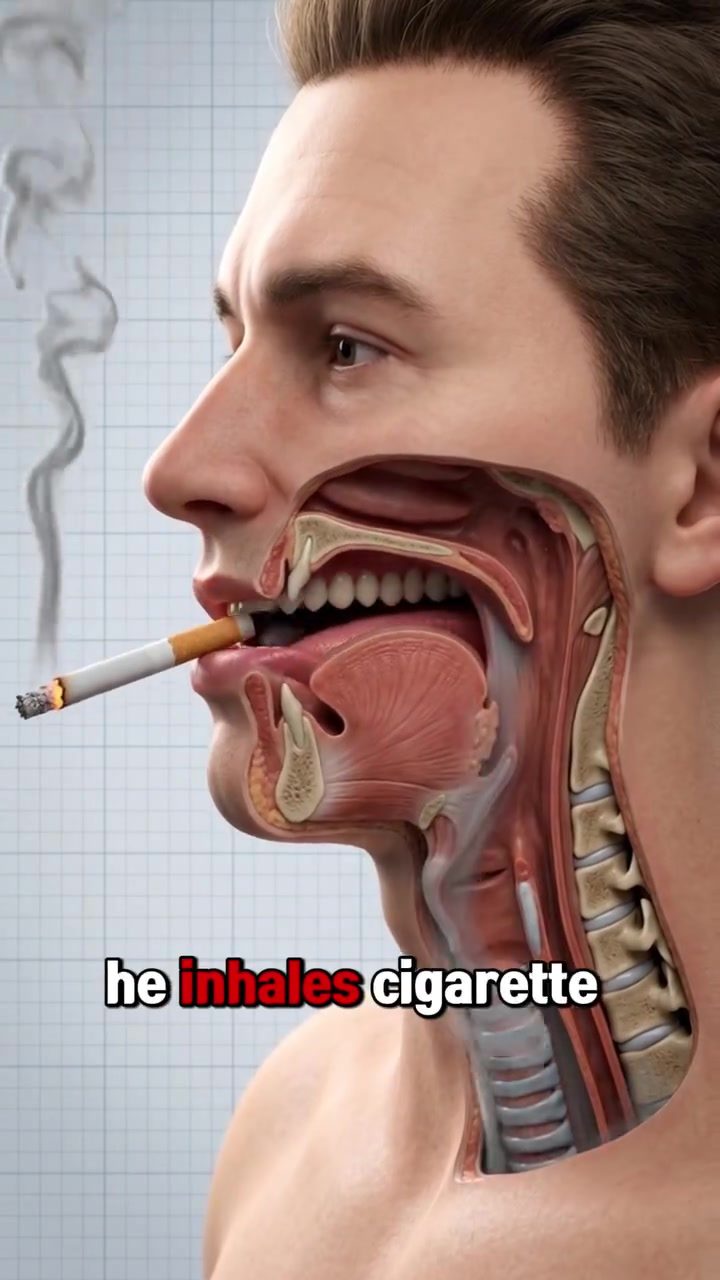
Smoking and its Effects on the Body
When a person inhales cigarette smoke, a series of rapid and damaging processes unfold inside the body. The journey of the smoke, from the lungs to the brain, reveals the immediate and long-term impacts on the body's vital systems.
Why This Matters
Understanding the immediate effects of smoking is crucial for recognizing the urgency of quitting. Each puff of a cigarette sets off a chain of reactions that can lead to addiction and significant health issues.
The Journey of Cigarette Smoke
Smoke Inhalation and Lung Impact
When you take a puff of a cigarette, the smoke travels deep into the lungs. The toxic particles in the smoke reach the alveoli, tiny air sacs responsible for gas exchange. These particles, including tar, stick to the walls of the alveoli, hindering their ability to facilitate the exchange of oxygen and carbon dioxide. This buildup of toxins starts to slow down the vital process of gas exchange, making it harder for your body to absorb the oxygen it needs.
Each inhalation of cigarette smoke brings a new wave of toxins into the lungs, gradually damaging the delicate tissue. Over time, this damage can lead to chronic lung diseases, reduced lung capacity, and increased susceptibility to respiratory infections.
The Role of Nicotine
As the smoke enters the lungs, nicotine, a highly addictive substance, is absorbed into the bloodstream. The blood quickly carries nicotine to the brain, where it triggers an immediate response. Brain cells react instantly to the presence of nicotine, beginning to form addiction pathways. This rapid reaction is a key factor in the development of nicotine addiction, making it difficult for smokers to quit.
The brain's response to nicotine also leads to a drop in the oxygen supply, as the body's systems prioritize dealing with the influx of toxins. This decrease in oxygen can have immediate and long-term effects on cognitive function and overall health.
The Cycle of Damage
With every puff, the damage to the lungs and brain continues. The build-up of toxins and nicotine in the body leads to a sustained drop in oxygen levels, which can affect multiple bodily functions. Over time, lung tissue begins to break down, and air gets dangerously trapped inside the lungs, further impeding the body's ability to function properly.
Main Discussion
Effects on the Respiratory System
Oxygen supply to the body is crucial for maintaining proper bodily functions. When it drops due to smoking, the effects can be far-reaching. The brain, heart, and other vital organs rely on a steady supply of oxygen to function correctly. Reduced oxygen supply can lead to fatigue, dizziness, and impaired cognitive function.
Impact on the Brain
Nicotine's impact on the brain is one of the most concerning aspects of smoking. The chemical alters the brain's reward system, making it difficult for smokers to experience pleasure from natural rewards. This rewiring of the brain's pathways is a significant factor in the development of addiction.
Long-Term Health Consequences
The long-term effects of smoking are well-documented. Chronic lung diseases, such as chronic obstructive pulmonary disease (COPD), emphysema, and lung cancer, are all directly linked to smoking. The damage to the lungs can be irreversible, making it essential to quit as early as possible to minimize the risk of these diseases.
The cardiovascular system is also at risk. Smoking can lead to the hardening of the arteries, increasing the risk of heart disease and stroke. The reduced oxygen supply to the heart can also lead to arrhythmias and other cardiovascular problems.
Smoking during pregnancy can have severe effects on both the mother and the developing fetus. It increases the risk of preterm labor, low birth weight, and sudden infant death syndrome (SIDS). The harmful chemicals in cigarette smoke can also impair the baby's lung development, leading to respiratory issues in the future.
Practical Tips
Quitting Strategies
Quitting smoking is one of the most impactful steps a person can take to improve their health. Here are some practical tips for quitting:
- Seek Professional Help: Consult a healthcare provider for advice and support. They can provide resources and medications to help manage withdrawal symptoms.
- Cold Turkey: Some people find it effective to stop smoking abruptly. This method requires a strong will and may be more suitable for those with a strong support system.
- Gradual Reduction: Gradually reducing the number of cigarettes smoked each day can help manage withdrawal symptoms and make the transition to quitting smoother.
- Nicotine Replacement Therapy (NRT): Products like nicotine gum, patches, and lozenges can help manage cravings and withdrawal symptoms. NRT provides a controlled dose of nicotine without the harmful chemicals found in cigarettes.
Managing Withdrawal Symptoms
Withdrawal symptoms can be challenging, but there are ways to manage them:
- Stay Hydrated: Drinking plenty of water can help flush out toxins and ease withdrawal symptoms.
- Exercise Regularly: Regular physical activity can help reduce cravings and improve mood.
- Maintain a Healthy Diet: Eating a balanced diet can support overall health and help manage withdrawal symptoms.
- Seek Support: Reach out to friends, family, or support groups for encouragement and motivation.
Creating a Supportive Environment
Creating a supportive environment is crucial for successful quitting. Surround yourself with non-smokers, avoid places where smoking is prevalent, and engage in activities that distract from the urge to smoke.
Important Takeaways
Understanding the immediate and long-term effects of smoking is essential for recognizing the urgency of quitting. The journey of cigarette smoke through the body reveals the damaging impact on the lungs, brain, and overall health. Quitting smoking can significantly improve health and reduce the risk of severe health complications.
Conclusion
The immediate effects of smoking are a stark reminder of the urgent need to quit. Each puff of a cigarette sets off a chain of reactions that can lead to addiction and significant health issues. By understanding the journey of cigarette smoke through the body, individuals can make informed decisions about quitting and take practical steps to improve their health.
Watch the Reel
Questions readers ask
How does smoking instantly affect lung function?
Smoking immediately delivers toxic particles, like tar, that coat the alveoli in the lungs. These tiny air sacs are crucial for oxygen exchange, so when they're impaired, lung function is hindered right away, leading to symptoms such as coughing and shortness of breath.
What happens to the brain when nicotine from cigarettes is inhaled?
When you inhale cigarette smoke, nicotine quickly reaches the brain and triggers the release of neurotransmitters, such as dopamine. This sudden surge can create feelings of pleasure and relaxation. However, this process also primes the brain for addiction, increasing the likelihood of dependence and making it difficult to quit.
How does smoking lead to oxygen deprivation in the body?
When toxic smoke in cigarette smoke clings to the alveoli, it damages these tiny air sacs, making it difficult for them to efficiently absorb oxygen. This reduces the amount of oxygen that enters the bloodstream and is distributed to the body's organs, causing the body to be oxygen deprived.
What are the immediate effects of smoking on the body?
The immediate effects of smoking include damage to the lungs from toxic particles and a quick hit of nicotine to the brain. These processes lead to impaired lung function, increased heart rate, and heightened risk of addiction, all of which occur within seconds of taking a puff.
What are the most harmful toxins in cigarette smoke for the lungs?
Among the most harmful toxins in cigarette smoke for the lungs are tar and carbon monoxide. Tar coats the alveoli, making it difficult for the lungs to function properly, while carbon monoxide binds to hemoglobin in the blood, reducing the blood's ability to carry oxygen and leading to oxygen deprivation.
How does smoking impact the brain's reward system?
Smoking triggers the brain's reward system by delivering nicotine, which stimulates the release of dopamine. Over time, this process can rewire the brain, making it crave more nicotine to achieve the same pleasurable effects. This is a key aspect of how smoking can lead to addiction and long-term brain damage.
Related deep dives
Similar reads based on topic and creator.




Recent articles
Fresh deep dives from the latest Reels we unpacked.




Comments
Be the first to comment.