Tire Size Explanation
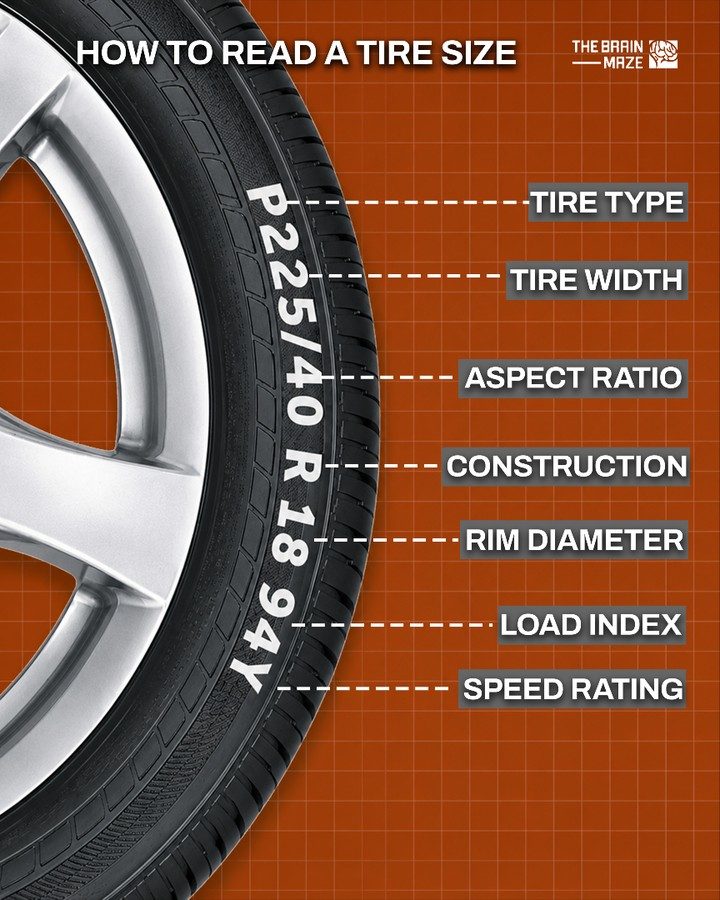
Understanding how to read tire sizes is crucial for selecting the right tires for your vehicle. Tire sizes provide essential information about the tire's dimensions, capabilities, and safety ratings. This guide will walk you through the components of a tire size code, such as tire type, width, aspect ratio, construction, rim diameter, load index, and speed rating.
Why This Matters
Choosing the correct tire size ensures optimal performance, safety, and efficiency of your vehicle. Incorrect tire sizes can lead to handling issues, decreased fuel efficiency, and even safety hazards. Knowing how to read a tire size code helps you make informed decisions when purchasing new tires or understanding your vehicle's specifications.
Main Discussion
Understanding Tire Size Codes
A tire size code like "P225/40 R18 94Y" might look complex, but it breaks down into several key components. Each part of this code provides important information about the tire's dimensions and capabilities.
Tire Type
The first letter in the code, "P" in "P225/40 R18 94Y," indicates the tire type. "P" stands for passenger tires, which are designed for standard passenger vehicles. Other common types include "LT" for light truck tires and no letter for European metric tires.
Tire Width
The next set of numbers, "225," represents the tire width in millimeters. This measurement is taken from one sidewall to the other at the widest point of the tire. A wider tire generally provides better traction and stability, especially on high-performance vehicles, but it can also affect fuel efficiency and handling.
Aspect Ratio
The aspect ratio, indicated by "40" in the code, is the ratio of the tire’s height to its width. In this case, the height is 40% of the tire's width. A lower aspect ratio means the tire is shorter and wider, which can improve handling and cornering. A higher aspect ratio means the tire is taller and narrower, which can provide a smoother ride.
Construction
The letter "R" stands for radial construction, the most common type of tire construction. Radial tires have layers of fabric cords that run at a 90-degree angle to the direction of travel, providing better stability, durability, and performance compared to older bias-ply tires.
Rim Diameter
The number "18" following the "R" indicates the rim diameter in inches. This is the diameter of the wheel that the tire is designed to fit. It’s crucial to match the tire's rim diameter to the vehicle's wheel size to ensure proper fitment and performance.
Load Index
The two-digit number "94" represents the load index, which indicates the maximum weight the tire can safely carry. Load indexes range from 0 to 150+ and correspond to specific weight capacities. For example, a load index of 94 can carry up to 1,472 pounds per tire.
Speed Rating
The final letter, "Y," denotes the speed rating, which indicates the maximum speed the tire can safely handle. Speed ratings range from "L" (up to 75 mph) to "Y" (up to 186 mph). Tires with higher speed ratings are generally designed for high-performance vehicles and may offer better handling, but they can also be more expensive and may wear out faster under normal driving conditions.
Practical Tips
When selecting new tires, consider the following tips to ensure you get the right fit and performance:
-
Check Your Vehicle's Manual: Always refer to your vehicle's owner's manual for the recommended tire size and type. This ensures that the tires you choose are compatible with your vehicle’s specifications.
-
Consider Your Driving Habits: If you frequently drive on highways or in adverse weather conditions, consider tires with higher speed ratings and better traction.
-
Balance Performance and Comfort: For most drivers, a balance between performance and comfort is ideal. Tires with a lower aspect ratio may offer better handling, but they can provide a rougher ride.
-
Match Front and Rear Tires: Always replace all four tires at the same time. If you can't, at least replace the two tires on the same axle, and ensure the newer tires are installed on the rear for better traction and stability.
-
Check the Tread: Regularly inspect your tires for wear and tear. Tires with uneven wear may indicate alignment issues or suspension problems that need to be addressed.
-
Inflate Properly: Maintain the correct tire pressure as recommended by the vehicle manufacturer. Over- or under-inflated tires can affect handling, fuel efficiency, and tire lifespan.
Important Takeaways
Understanding tire sizes is not just about knowing the numbers and letters on the tire sidewall. It's about ensuring that your vehicle performs safely and efficiently. Here are the key takeaways to remember:
- Tire Type: Know whether you need passenger, light truck, or European metric tires.
- Tire Width and Aspect Ratio: These measurements affect handling, traction, and comfort.
- Construction Type: Radial construction is standard and offers better performance.
- Rim Diameter: Ensure the tire fits your wheel size for proper performance.
- Load Index and Speed Rating: These factors determine the tire's load capacity and speed capabilities.
Conclusion
Choosing the right tires is essential for the safety, performance, and efficiency of your vehicle. By understanding the various components of a tire size code, you can make informed decisions when purchasing new tires. Whether you're a car enthusiast or a casual driver, knowing how to read tire sizes will help you maintain your vehicle and ensure a smooth, safe ride.
Watch the Reel
Questions readers ask
What are the key components of a tire size code?
A tire size code typically includes the tire type, width, aspect ratio, construction type, and rim diameter. Additional information such as load index and speed rating may also be present. Understanding these components helps you select the right tires for your vehicle.
How do I determine the width and aspect ratio of a tire?
The tire width is the first set of numbers in the tire size code, measured in millimeters. The aspect ratio follows, represented as a percentage, which is the ratio of the tire's sidewall height to its width. For instance, a tire size code of P215/65R15 indicates a 215mm width and an aspect ratio of 65%.
What do the load index and speed rating on a tire mean?
The load index is a numerical code that indicates the maximum load a tire can carry. The speed rating, denoted by a letter, signifies the maximum speed a tire can safely sustain. These ratings are crucial for ensuring the tire can handle the weight and speed requirements of your vehicle.
How do I know if a tire is suitable for my vehicle's rim?
The rim diameter, indicated in inches, is part of the tire size code. This number tells you the diameter of the wheel that the tire is designed to fit. For example, a tire size code ending in R15 means it is designed for a 15-inch rim. Always match this number to your vehicle's rim diameter for a proper fit.
What are the different construction types indicated in a tire size code?
The construction type is often indicated by a letter in the tire size code, such as 'R' for radial or 'B' for bias. Radial tires are the most common and offer better performance and fuel efficiency. Bias tires are less common and typically used in specific applications like certain off-road vehicles.
Why is it important to match the tire size code to my vehicle's specifications?
Matching the tire size code to your vehicle's specifications ensures optimal performance, safety, and efficiency. Incorrect tire sizes can lead to handling issues, reduced fuel efficiency, and potential safety hazards. Always refer to your vehicle's manufacturer recommendations when choosing new tires.
Related deep dives
Similar reads based on topic and creator.


Recent articles
Fresh deep dives from the latest Reels we unpacked.




Comments
Be the first to comment.