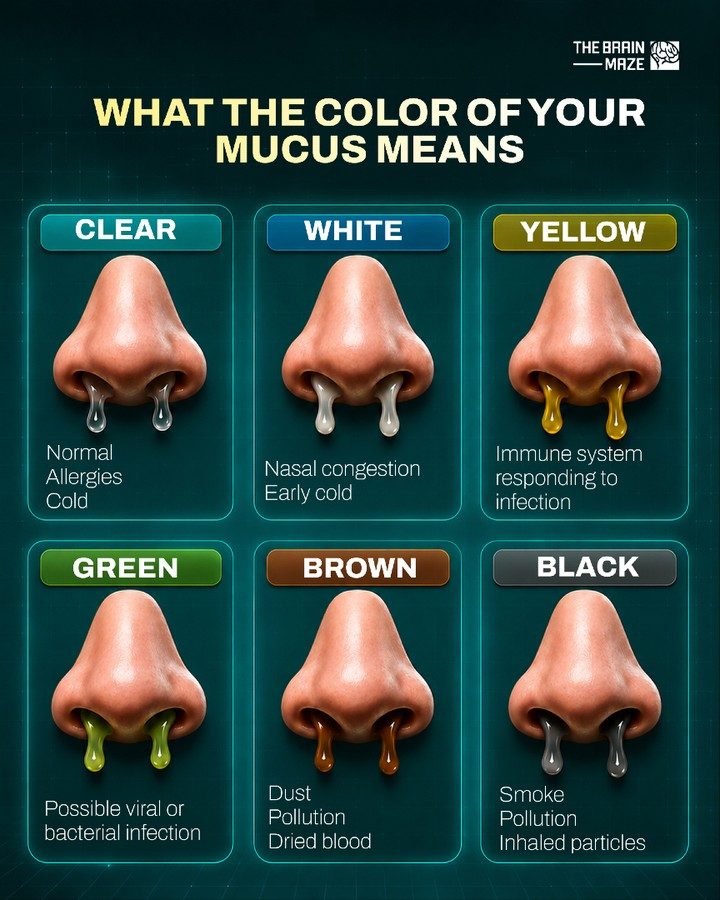
Mucus Color Meanings: Health Clues from Your Mucus
Your mucus plays a crucial role in protecting your body, especially your respiratory system, nasal passages, and sinuses. It serves as a barrier, traps pathogens, and helps expel debris and irritants. One of the most noticeable aspects of mucus is its color, which can change based on various factors. Understanding what these color changes might indicate can provide useful insights into your health.
Why This Matters
The color of your mucus can serve as a helpful indicator of your health status, though it doesn't always point to a specific illness. By paying attention to these changes, you can gain valuable information about potential nasal or respiratory issues, allergies, or infections. However, it's important to remember that while mucus color can offer clues, a healthcare professional should evaluate persistent or severe symptoms.
Understanding Mucus Colors
Clear Mucus
Clear mucus is typically a sign that your body is functioning normally. It indicates that your mucus membranes are healthy and hydrated. However, clear mucus can also appear during the early stages of an allergy or a cold, as your body begins to fight off irritants or pathogens. If you notice clear mucus and are experiencing other symptoms, it might be worthwhile to monitor your health closely.
White Mucus
White mucus is often associated with nasal congestion. This type of mucus is thicker and stickier, making it more visible and noticeable. White mucus can be a sign that your body is trying to trap and expel irritants, such as dust, pollen, or other allergens. It can also indicate an early viral infection, such as a cold. If you have white mucus and experience symptoms like a runny nose, sneezing, or itchy eyes, you might be dealing with allergies. Monitoring your symptoms and taking appropriate measures, such as using a humidifier or taking over-the-counter medications, can help alleviate discomfort.
Yellow or Green Mucus
Yellow or green mucus is a common sign that your immune system is actively fighting an infection. When your body's defenses are engaged, white blood cells rush to the affected area, releasing enzymes that can change the color of your mucus. While yellow or green mucus often indicates a bacterial or viral infection, it can also be present in cases of sinusitis, bronchitis, or other respiratory issues. If you notice a persistent change in mucus color, along with symptoms such as fever, cough, or sore throat, it's important to consult a healthcare professional for guidance.
Brown or Black Mucus
Brown or black mucus can be alarming, but it's often the result of environmental factors rather than a serious health issue. This discoloration typically occurs when mucus comes into contact with inhaled particles, such as dust, pollution, or smoke. In some cases, dried blood or certain medications can also cause brown or black mucus. If you notice this change in color, consider your recent exposure to environmental pollutants and take steps to improve your air quality. If the discoloration persists or is accompanied by other concerning symptoms, it's a good idea to seek medical advice.
Other Factors Affecting Mucus Color
While the color of your mucus can provide valuable clues, it's essential to consider other factors that might affect its appearance. Dehydration, for instance, can cause mucus to become thicker and more concentrated, changing its color. Similarly, certain medications or supplements can alter mucus consistency and color. In some cases, rare conditions or genetic factors can also influence mucus production and appearance. If you're unsure about the cause of a change in mucus color, it's always best to consult a healthcare professional for personalized advice.
Practical Tips
To better understand and manage your mucus color changes, consider the following tips:
Monitor Symptoms
Keep a record of your symptoms, including mucus color, along with other indicators such as temperature, cough, and fatigue. This information can help you identify patterns and provide valuable context for a healthcare professional.
Stay Hydrated
Dehydration can affect mucus production and consistency. Drinking plenty of fluids can help thin out mucus, making it easier to expel and reducing the likelihood of discoloration.
Maintain Good Air Quality
Limiting your exposure to environmental irritants, such as dust, smoke, and pollution, can help maintain the health of your mucus membranes. Consider using an air purifier or wearing a mask in polluted areas to protect your respiratory system.
Consult a Professional
If you notice persistent or severe changes in mucus color, accompanied by other concerning symptoms, it's important to consult a healthcare professional. They can provide personalized advice and, if necessary, appropriate treatment.
Important Takeaways
Your body's production of mucus is a vital part of its defense mechanism. Paying attention to the color and consistency of your mucus can offer useful insights into your overall health. Clear mucus typically indicates normal function, while white mucus often signals congestion or an early cold. Yellow or green mucus suggests an active infection, and brown or black mucus can result from environmental factors. By understanding these clues and taking appropriate action, you can better manage your health and seek professional help when necessary.
Conclusion
Your mucus color offers valuable insights into your health, acting as an early warning system for various conditions. While changes in mucus color can be concerning, they often result from normal bodily processes or environmental factors. By staying informed, monitoring symptoms, and seeking professional advice when necessary, you can better navigate the complexities of mucus color and maintain optimal health.
Watch the Reel
Questions readers ask
What does clear mucus indicate about my health?
Clear mucus is usually a sign of good health, particularly when it comes to your nasal passages and sinuses. It indicates that your nose is functioning properly and that you're well-hydrated. This color is normal, but if you notice it becomes clear after it was previously discolored, it could mean you are recovering from a cold or allergies.
Why is my mucus white?
White mucus can be a sign of allergies or environmental irritants, such as dust or smoke. It can also indicate a viral infection, like the common cold. If your mucus is white and you’re also experiencing congestion, it might be a good idea to monitor your symptoms or consult a healthcare provider.
What does green mucus mean? Is green mucus always a sign of infection?
Green mucus is often associated with bacterial infections, but it’s not always the case. It can also be due to a viral infection or environmental factors like smoke or dust. The greenish color is typically from white blood cells rushing to fight an infection, either viral or bacterial. If you notice green mucus, it’s a good idea to check with a healthcare professional if other symptoms are present.
What does it mean if I have yellow mucus?
Yellow mucus can indicate a viral or bacterial infection. It might be a sign that your body is actively fighting off an illness. If you notice yellow mucus, it's a good idea to monitor your other symptoms. If you experience persistent yellow mucus, a fever, or other concerning symptoms, consult a healthcare provider.
Should I be concerned if my mucus is brown or black?
Brown or black mucus can be alarming, but it’s often due to environmental factors. Brown mucus can result from irritation from dust, smoke or dry air, while black mucus can sometimes be from inhaling dust or smoke, often in individuals exposed to smoke, coal or dust regularly. If you notice these colors and have other symptoms like chest pain or trouble breathing, get medical attention.
Related deep dives
Similar reads based on topic and creator.




Recent articles
Fresh deep dives from the latest Reels we unpacked.




Comments
Be the first to comment.