What's Inside a Lychee?
Lychee, a tropical fruit native to southern China, has been a beloved delicacy for thousands of years. This fruit, known for its unique appearance and delightful taste, is more than just a sweet treat—it's a nutritional powerhouse packed with essential vitamins and antioxidants.
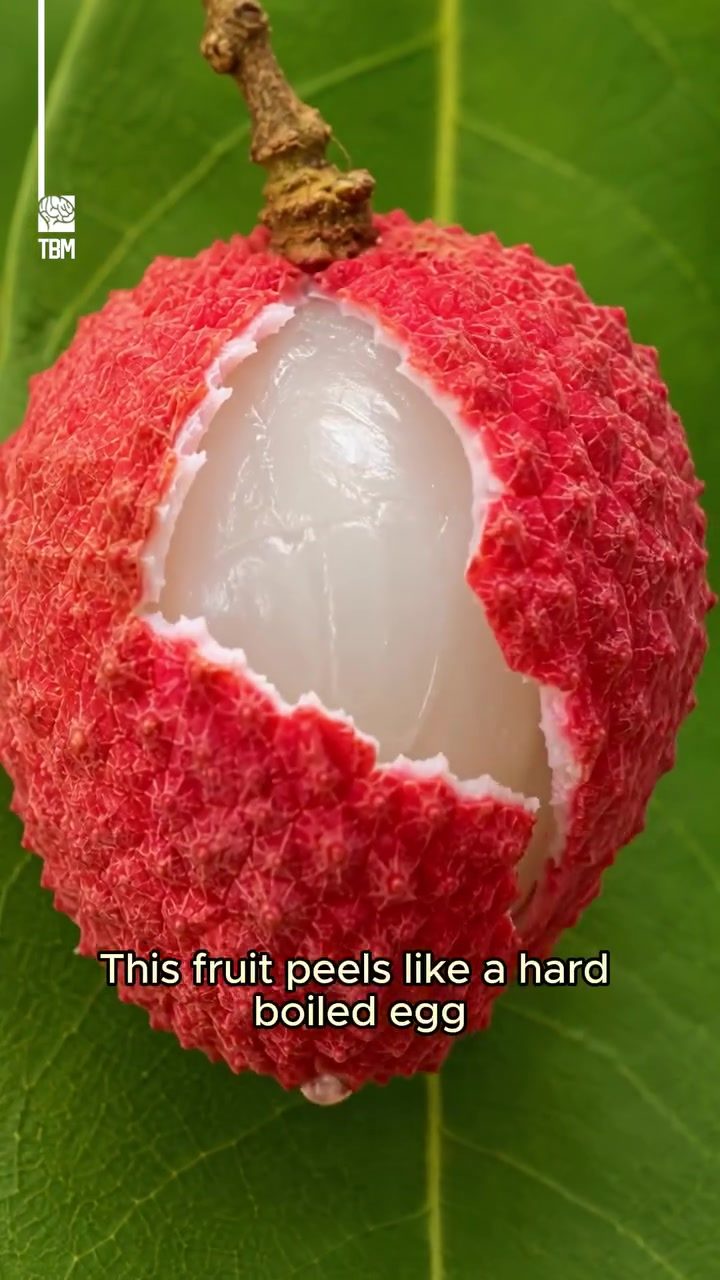
Lychees come with a distinct rough, pink-red shell that cracks easily by hand, much like a hard-boiled egg. Inside this shell lies a sweet, juicy surprise. The translucent white flesh has a texture similar to a grape and is incredibly refreshing. Beneath the flesh, you’ll find a single dark seed that is not edible.
Why This Matters
Lychees are not just a tasty snack; they are also highly nutritious. These fruits are rich in vitamin C and antioxidants, which make them a healthy addition to any diet. The unique floral flavor and refreshing sweetness have made lychees a prized fruit in tropical and subtropical regions worldwide.
The ease of peeling a lychee adds to its appeal. The process is straightforward: simply crack the shell by hand to reveal the juicy flesh inside. This simplicity makes lychees a convenient snack for anyone on the go.
Key Features of Lychees
Nutritional Value
Lychees are a rich source of vitamin C, which is essential for immune function, skin health, and overall well-being. They also contain antioxidants that help protect the body from harmful free radicals.
Texture and Taste
The texture of lychee flesh is reminiscent of a grape, but with a unique, slightly firmer bite. The taste is sweet and floral, with a refreshing juiciness that makes it a popular choice for snacks and desserts.
Varieties and Cultivation
Lychees are grown in various tropical and subtropical regions around the world. While they are native to southern China, they are also cultivated in places like India, Thailand, and Australia. Different regions may have slight variations in taste and texture, but the core characteristics remain the same.
Practical Tips for Enjoying Lychees
Selecting and Storing Lychees
When selecting lychees, look for fruits with a vibrant red shell and a firm texture. Avoid those with blemishes or soft spots. To store lychees, keep them in a cool, dry place. If you've peeled them, store the flesh in an airtight container in the refrigerator.
Preparing Lychees
Preparing lychees is simple. Just crack the shell by hand to reveal the flesh. You can also peel them using a small knife if you prefer a cleaner cut. Once peeled, the fruit can be enjoyed as is or used in various recipes.
Incorporating Lychees into Your Diet
Lychees can be enjoyed in a variety of ways. They make a great snack on their own or can be added to salads, smoothies, and desserts. Their unique flavor pairs well with both sweet and savory dishes, making them a versatile ingredient in the kitchen.
Important Takeaways
Lychees are a delicious and nutritious fruit with a rich history. They offer a unique combination of sweetness, juiciness, and a refreshing floral flavor. The ease of peeling and their nutritional benefits make them a popular choice for snacking and cooking.
Conclusion
Lychees are more than just a tasty fruit; they are a cultural icon with a long history and numerous health benefits. Whether enjoyed as a simple snack or incorporated into gourmet dishes, lychees offer a delightful experience that's hard to resist. So next time you come across this tropical treasure, don’t hesitate to peel it open and savor the sweet secret inside.
Watch the Reel
Questions readers ask
What does a lychee fruit taste like?
Lychee has a unique, floral taste that is both sweet and refreshing. The texture of the flesh is similar to a grape, making it a delightful addition to fruit salads or enjoyed on its own.
Where does lychee originate from?
Lychee is native to southern China, where it has been cultivated for thousands of years as a beloved delicacy and also has a significant historical importance.
How do you eat a lychee?
To eat a lychee, first peel off the rough, pink-red shell by hand. Once the shell is removed, enjoy the translucent white flesh, which has a texture similar to a grape. Be sure to discard the inedible dark seed found inside.
What are the nutritional benefits of lychee?
Lychees are packed with essential nutrients. They are rich in vitamin C, which supports immune health, and antioxidants, which help combat harmful free radicals in the body.
How do lychees compare to rambutans?
While both lychees and rambutans are tropical fruits with similar appearances, lychees have a sweeter taste and a smoother texture. Rambutans, on the other hand, have a slightly tangy flavor and a hairier shell.
What is the best way to peel a lychee?
To peel a lychee, simply crack the rough, pink-red shell by hand. It should open easily, much like a hard-boiled egg. Once the shell is removed, the juicy flesh can be enjoyed directly.
What are the health benefits of lychee vitamin C?
The vitamin C in lychees plays a crucial role in supporting immune function, aiding in collagen production for healthy skin, and enhancing iron absorption, which is essential for maintaining healthy blood cells.
Related deep dives
Similar reads based on topic and creator.




Recent articles
Fresh deep dives from the latest Reels we unpacked.




Comments
Be the first to comment.