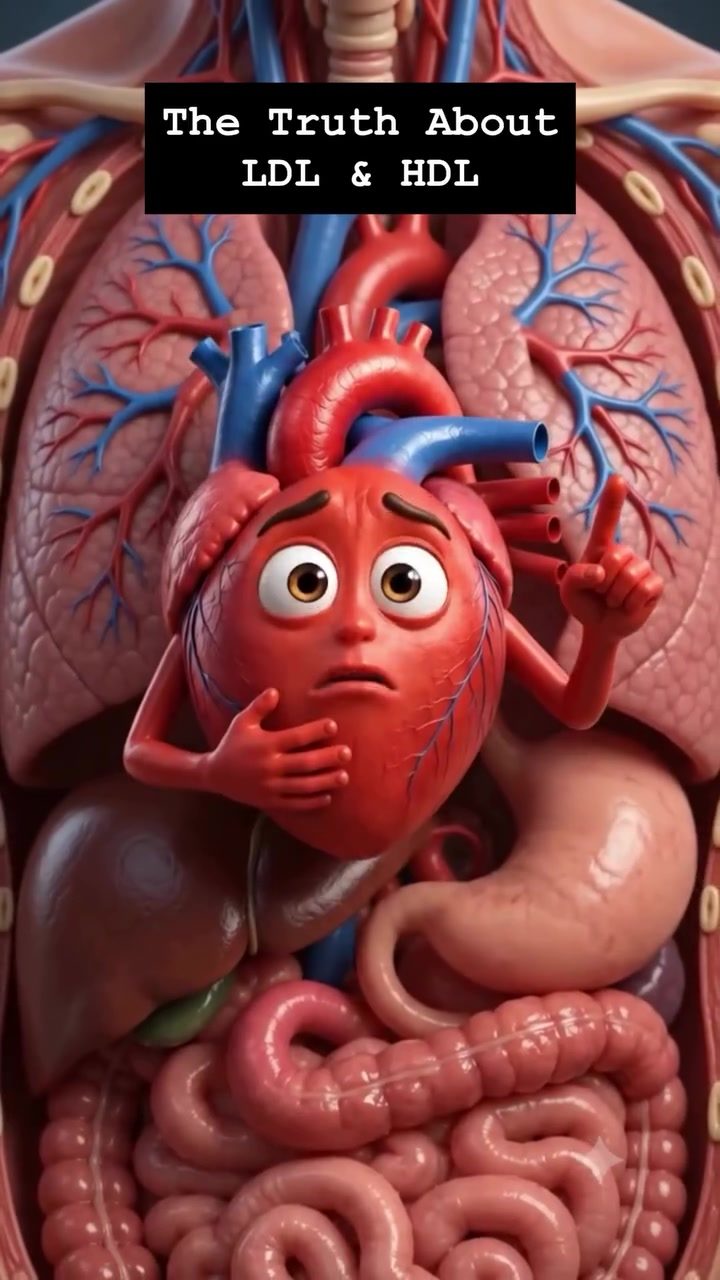
Cholesterol and Heart Health
Ever noticed how food choices and lifestyle habits affect your body? Inside your arteries, cholesterol particles play a significant role in maintaining heart health. Understanding cholesterol types, specifically LDL and HDL, and how they interact within the cardiovascular system is crucial for managing your health. Let’s dive into the essentials of LDL and HDL cholesterol, their roles in the body, and how lifestyle habits can impact heart health.
Context / Why This Matters
Maintaining a healthy heart is vital for overall well-being. The cardiovascular system is complex, and understanding the role of cholesterol is a key part of keeping your heart in good shape. Cholesterol is a waxy substance produced by the liver and found in certain foods. It helps build cell membranes, produce hormones, and aid in digestion. However, too much of the wrong type of cholesterol can lead to serious health issues such as heart disease, stroke, and high blood pressure.
Main Discussion
Types of Cholesterol
Cholesterol travels through the bloodstream in tiny particles called lipoproteins. Two primary types of cholesterol are LDL (low-density lipoprotein) and HDL (high-density lipoprotein).
LDL Cholesterol
LDL, often referred to as "bad" cholesterol, carries cholesterol from the liver to the arteries. When LDL levels are high, it can lead to the buildup of plaque in the artery walls. Plaque accumulation narrows arteries, reducing blood flow and increasing the risk of heart attacks and strokes. The process of plaque formation involves the accumulation of LDL particles that damage artery walls, causing a cascade of events that lead to inflammation and hardening of the arteries.
HDL Cholesterol
HDL, known as "good" cholesterol, plays a crucial role in removing excess cholesterol from the bloodstream and transporting it back to the liver for processing. High levels of HDL cholesterol can help protect against heart disease by preventing the buildup of plaque in the arteries. HDL acts as a scavenger, picking up excess cholesterol and transporting it back to the liver, where it is broken down and excreted.
The Impact of Cholesterol on Heart Health
Excess LDL cholesterol can lead to the formation of plaque in the arteries, a condition known as atherosclerosis. This buildup can narrow or block arteries, leading to increased blood pressure and reduced blood flow. Over time, this can result in serious health problems. High blood pressure forces the heart to work harder, leading to potential damage to the heart muscle and an increased risk of heart attacks and strokes. Understanding how cholesterol affects the heart is essential for preventing these issues.
How Cholesterol Affects the Body
The body's response to cholesterol can vary depending on the amount of each type present. When LDL levels are high, the risk of plaque buildup increases. This buildup can cause arteries to narrow, leading to high blood pressure and reduced blood flow. The heart has to work harder to pump blood through narrowed arteries, which can cause it to beat faster and with more force. This increased stress can lead to heart disease and other cardiovascular problems.
On the other hand, HDL cholesterol helps remove excess cholesterol from the bloodstream, keeping arteries clear and reducing the risk of heart disease. Maintaining a healthy balance of LDL and HDL cholesterol is crucial for overall heart health.
Practical Tips
Lifestyle Changes to Manage Cholesterol
Small lifestyle changes can significantly impact cholesterol levels and overall heart health. Here are some practical tips to help manage cholesterol:
Diet
Eating a balanced diet rich in fruits, vegetables, whole grains, and lean proteins can help manage cholesterol levels. Foods high in saturated and trans fats should be avoided, as they can increase LDL cholesterol levels. Opt for foods rich in fiber, such as oats, barley, and legumes, which can help lower cholesterol levels.
Exercise
Regular physical activity can help raise HDL cholesterol levels and lower LDL cholesterol levels. Aim for at least 30 minutes of moderate-intensity exercise most days of the week. This can include brisk walking, cycling, swimming, or any activity that gets your heart rate up.
Avoid Smoking
Smoking can damage blood vessels and increase the risk of heart disease. Quitting smoking can help improve cholesterol levels and overall heart health.
Manage Stress
Chronic stress can negatively impact cholesterol levels and heart health. Finding ways to manage stress, such as through meditation, deep breathing, or yoga, can help keep cholesterol levels in check.
Stay Hydrated
Drinking plenty of water can help flush out toxins and maintain overall health. Staying hydrated can also support heart health by keeping blood flowing smoothly.
Important Takeaways
Understanding the role of cholesterol in heart health is the first step toward preventing heart disease. LDL cholesterol can build up in artery walls, leading to plaque buildup and increased blood pressure. HDL cholesterol helps remove excess cholesterol and keep arteries clear. Making lifestyle changes such as eating a balanced diet, staying physically active, avoiding smoking, and managing stress can make a significant difference in managing cholesterol levels and maintaining heart health.
Conclusion
Cholesterol plays a critical role in heart health, and understanding the difference between LDL and HDL cholesterol is essential for managing your cardiovascular health. By making small lifestyle changes, you can significantly impact your cholesterol levels and reduce the risk of heart disease. Take control of your heart health by staying informed and making positive choices.
Watch the Reel
Questions readers ask
What is the difference between LDL and HDL cholesterol?
LDL, or low-density lipoprotein, is often called 'bad' cholesterol because high levels can lead to plaque buildup in the arteries. In contrast, HDL, or high-density lipoprotein, is known as 'good' cholesterol because it helps remove excess cholesterol from the bloodstream, promoting artery health.
Why is it important to maintain healthy cholesterol levels?
Balanced cholesterol levels, particularly a good ratio of LDL to HDL, are crucial for preventing heart attacks and strokes. High LDL levels can cause plaque buildup, narrowing the arteries and potentially leading to cardiovascular issues. Conversely, higher HDL levels can help mitigate this risk by removing excess cholesterol from the arteries.
How can I lower my LDL cholesterol levels?
Adopting a heart-healthy diet low in saturated fats and trans fats can help lower LDL cholesterol. Regular exercise, maintaining a healthy weight, and avoiding smoking can also contribute to reducing LDL levels. If necessary, your doctor might prescribe medications to manage and lower LDL cholesterol.
What are the benefits of having high HDL cholesterol levels?
High HDL cholesterol levels can significantly benefit your heart health. HDL helps transport excess cholesterol from the arteries back to the liver, where it is processed and removed from the body, thus reducing the risk of plaque buildup and related cardiovascular problems.
What role does cholesterol transport play in heart health?
Cholesterol transport is essential for maintaining heart health. LDL transports cholesterol to the body's tissues, while HDL transports excess cholesterol away from the tissues and back to the liver for processing. This balance is crucial for preventing plaque buildup in the arteries and reducing the risk of heart attacks and strokes.
Can lifestyle habits impact my cholesterol levels?
Absolutely. Lifestyle habits such as diet, exercise, and smoking can significantly impact your cholesterol levels. A diet rich in fruits, vegetables, and whole grains, along with regular physical activity, can help maintain healthy cholesterol levels. Conversely, a sedentary lifestyle and poor dietary choices can increase LDL cholesterol and lower HDL cholesterol.
Related deep dives
Similar reads based on topic and creator.



Recent articles
Fresh deep dives from the latest Reels we unpacked.




Comments
Be the first to comment.