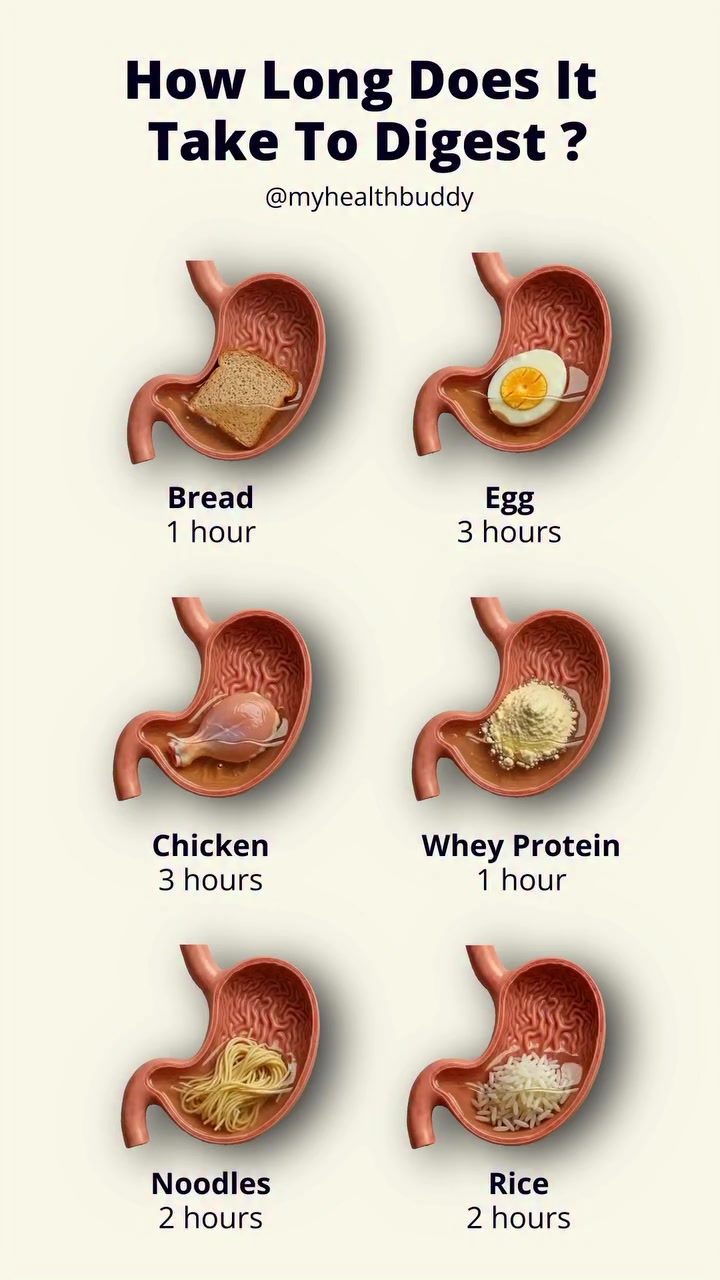
Digestion Time: A Guide to Understanding How Long Foods Stay in Your Stomach
Digestion is the process by which your body breaks down food into nutrients that can be absorbed and used for energy, growth, and repair. The speed at which this process occurs depends on several factors, including the composition of the food (carbohydrates, protein, fat, and fiber), the cooking method, and whether the food is eaten alone or as part of a mixed meal. Understanding digestion times can help you make informed decisions about what to eat and when to eat it.
Why This Matters
Knowing how long different foods take to digest can help you manage your energy levels, support your fitness goals, and improve overall digestive health. It also allows you to plan your meals more effectively, ensuring that you consume the right foods at the right times to support your body's needs.
Digestion Speed and Energy Levels
Fast-digesting foods can provide a quick energy boost, which is useful for athletes or anyone needing a quick energy pick-me-up. Slow-digesting foods, on the other hand, provide a steady release of energy, keeping you full and satisfied for longer. This can be particularly beneficial for maintaining stable blood sugar levels and preventing overeating.
Digestion and Fitness Goals
For those looking to build muscle or enhance athletic performance, understanding digestion can help you optimize your nutrient intake. Consuming fast-digesting proteins and carbohydrates post-workout can speed up recovery. Eating slow-digesting foods before a workout can provide sustained energy, helping you push through intense training sessions.
Digestion Times for Common Foods
Bread
Bread is a quick-digesting food, thanks to its high content of simple carbohydrates and low fiber. It typically takes about an hour to digest. This makes it a good choice for a quick snack or a pre-workout meal when you need a rapid energy boost.
Whey Protein
Whey protein is one of the fastest-digesting proteins available. It takes roughly an hour to digest and is quickly absorbed into the bloodstream. This makes it an excellent choice for post-workout recovery, as it delivers essential amino acids to your muscles efficiently.
Noodles
Noodles, especially refined ones, digest fairly quickly, similar to bread. They take around two hours to break down in the stomach. However, noodles made from whole grains or with added fiber can take longer. This makes them a versatile option for both quick energy and longer satiety, depending on the type.
Rice
White rice, being a simple carbohydrate, digests faster than brown rice. It takes about two hours to digest. Brown rice, due to its higher fiber content, takes longer. This makes white rice a good choice when you need a quick energy boost, while brown rice is better for sustained energy and satiety.
Egg
Eggs are a good source of protein and fat, which take longer to digest. They typically require around three hours to break down. The combination of protein and fat makes eggs a satisfying option for meals where you want to feel full and energized for an extended period.
Chicken
Chicken is a dense source of protein, which means it takes more time to digest. It usually requires about three hours to break down. This makes it an excellent choice for meals where you need sustained energy and satiety, such as lunch or dinner.
General Guidelines
Here is a general breakdown of digestion times for various food types:
- Simple Carbohydrates (e.g., bread, white rice): 30 minutes to 2 hours
- Complex Carbohydrates (e.g., whole grains, brown rice): 2 to 3 hours
- Protein (e.g., whey, egg, chicken): 2 to 3 hours
- Animal Meat (e.g., chicken, beef): 3 to 4 hours
- Fats (e.g., avocado, nuts): 4 to 6 hours
- Mixed Meals (e.g., balanced meals with carbs, protein, and fat): 4 to 6+ hours
Practical Tips
Timing Your Meals
- Pre-Workout: Opt for simple carbohydrates and lean proteins for a quick energy boost and muscle support.
- Post-Workout: Choose fast-digesting proteins and carbohydrates to promote muscle recovery and glycogen replenishment.
- Breakfast: Include both fast and slow-digesting foods to ensure sustained energy throughout the morning.
- Lunch: Focus on slow-digesting foods to maintain energy and satiety until dinner.
- Dinner: Balance your meal with a mix of slow-digesting foods and a moderate amount of protein to support overnight recovery and digestion.
Hydration and Digestion
Staying hydrated can also impact digestion. Drinking water with your meals can help break down food more efficiently. For slower digestion, consider sipping water throughout the day rather than drinking large amounts at once.
Cooking Methods
The way you prepare your food can also affect digestion. For example, cooking carbohydrates like pasta or rice can break down some of their fibers, making them easier to digest. Conversely, raw vegetables, which are high in fiber, can take longer to break down.
Important Takeaways
Fast-Digesting Foods
Fast-digesting foods such as simple carbohydrates and whey protein can provide a quick energy boost, making them suitable for pre- or post-workout meals. However, they may not be as effective for maintaining stable energy levels throughout the day.
Slow-Digesting Foods
Slow-digesting foods, such as complex carbohydrates, proteins, and fats, offer sustained energy and satiety. They are ideal for meals where you want to feel full and energized for a longer period.
Balancing Your Meals
Combining both fast and slow-digesting foods in your meals can help create a balance that supports your energy needs and overall health. For example, pairing a fast-digesting carbohydrate with a slow-digesting protein can provide both immediate and sustained energy.
Individual Variability
Everyone's digestive system is unique, so what works for one person may not work for another. Pay attention to how your body responds to different foods and adjust your diet accordingly.
Conclusion
Understanding digestion times is crucial for optimizing your energy levels, supporting your fitness goals, and maintaining overall digestive health. By choosing the right foods at the right times, you can better meet your body's needs and enhance your well-being.
Watch the Reel
Questions readers ask
How does the composition of food affect digestion time?
The composition of food significantly influences how long it stays in your stomach. Carbohydrates generally digest the fastest, followed by proteins, and then fats. For instance, proteins like chicken and eggs can take 2–3 hours to digest, while high-fat foods can stay in the stomach for up to 4 hours.
Why is it important to know the digestion time of different foods?
Understanding digestion times can help you plan your meals to maintain consistent energy levels. For example, if you know that carbohydrates from bread or rice digest more quickly than proteins from chicken or whey, you can strategically choose foods to support your energy needs throughout the day.
What role do fiber play in digestion time?
Fiber plays a crucial role in digestion, as it slows down the process. Foods high in fiber, such as whole grains and vegetables, take longer to digest, which can help you feel fuller for longer and stabilize your blood sugar levels. This makes high-fiber foods great for maintaining energy levels and supporting fitness goals.
Which foods are digested more quickly: noodles or rice?
Both noodles and rice are primarily carbohydrates, and their digestion times can be similar. However, the specific type of noodle or rice can make a difference. For example, plain white noodles or rice may digest faster than whole-grain or brown rice, taking in the order of 2-3 hours.
How does protein digestion time affect fitness goals?
Proteins like whey or chicken take longer to digest, which can help support muscle recovery and growth. Consuming protein-rich foods or supplements before or after workouts can help you achieve your fitness goals, ensuring your body has the necessary nutrients to repair and build muscle.
Should I avoid foods that take a long time to digest?
Not necessarily. While foods high in fats and fiber may take longer to digest, they also keep you feeling full for longer and provide sustained energy. Incorporating a balance of quick and slow-digesting foods in your meals can help maintain consistent energy levels and support overall digestive health.
Why does the cooking method affect how long food stays in your stomach?
Cooking methods can alter the structure and composition of food, making it easier or harder to digest. For instance, cooking can break down fibers and soften tough proteins, which can speed up digestion. Conversely, certain cooking methods, like frying, can add fats that slow down the process.
Recent articles
Fresh deep dives from the latest Reels we unpacked.




Comments
Be the first to comment.